
24/7 Customer Support

Free returns

Same-day & Next-day Delivery

Quality Guaranteed

Unlock Your Welcome Offers: FREE Delivery | Up to 80% OFF | Free 30-day JoyPlus trial
Download the APP
Choosing herbal tea in the UK is not simply a matter of picking a flavour. Shelves and online listings include loose-leaf infusions, organic herbal tea, ready-to-drink herbal tea, green tea and wellness tea, each with different ingredients, caffeine levels, sugar content and serving formats.
The wrong choice can leave you with a drink that is too sweet, unsuitable for bedtime or difficult to fit into your routine. Use this guide to compare the details that matter before buying.
Chamomile, peppermint, rooibos and many botanical blends are naturally caffeine-free tea alternatives. However, green tea, black tea, oolong and blends containing tea leaves naturally contain caffeine. A product labelled “wellness tea” may still include green tea, so check the full ingredients list rather than relying on the front-of-pack wording.
If you want a bedtime tea or an evening drink, look for an infusion based on flowers, herbs or fruit without green tea or black tea leaves.
Bottled tea and canned Chinese herbal tea can contain a significant amount of added sugar. For example, the Vita Chrysanthemum Tea listing provides 10g of sugar per 100ml, while the 310ml WALOVI Herbal Tea listing provides 26.4g per can. These products may suit shoppers who enjoy a sweet, chilled drink, but they are different from an unsweetened tea.
For everyday hydration, compare the nutrition panel and look for 0g sugar or “no sugar added” where that is your preference.
Terms such as detox tea, slimming tea and wellness tea describe a marketing position, not a guaranteed health outcome. Ingredients can also have practical considerations. Dalgety Effective Slimline Tea contains senna, which has laxative properties; its product information advises moderation and notes that excessive intake may have health implications.
Consider the blend as a food and drink choice, not a substitute for medical advice. If you are pregnant, taking medication or managing a health condition, check the packaging and ask a qualified healthcare professional when appropriate.
For work, study or meal pairing, green tea, roasted rice tea and oolong can provide a fuller, more savoury flavour. Itoen Oi Ocha Roasted Rice Tea combines rice, green tea and matcha, while unsweetened bottled green teas offer a convenient cold option.
For evening use, choose a blend clearly described as caffeine-free. Pukka Chamomile Vanilla & Manuka Honey and Pukka Night Time are herbal infusions rather than traditional tea-leaf drinks. Always review the ingredients because blends can vary.
Compare nutrition per 100ml and per bottle or can. A drink with moderate sugar per 100ml can add up when consumed as a 1.5-litre bottle or a multi-can pack.
For a sugar-free tea option, POKKA Oolong Tea No Sugar lists 0g sugar and 0kJ in its product information. ITOEN Oi OCHA Yuzu Green Tea also lists 0g sugar, with yuzu and matcha adding flavour without sweeteners. By contrast, sweetened chrysanthemum, corn silk and traditional Chinese herbal beverages are intended for shoppers who prefer a lightly sweet taste.
Check the complete ingredient list for:
Tea bags are convenient for a consistent cup at home or in the office. Bottled tea and canned tea are more suitable when you need a drink immediately, but opened products usually need refrigeration and prompt consumption.
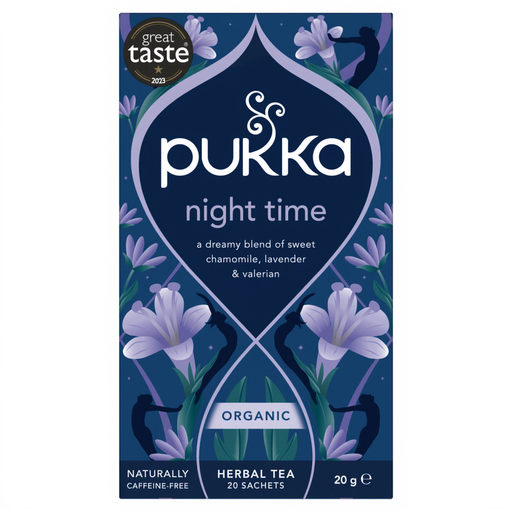
Why This Fits Their Persona: A practical starting point for UK shoppers who want individually portioned herbal tea bags for an evening routine.
The listed ingredients do not include green or black tea leaves, making it easier to distinguish from caffeinated tea.
20 tea bags; ingredients include chamomile, lavender, limeflower and valerian root.
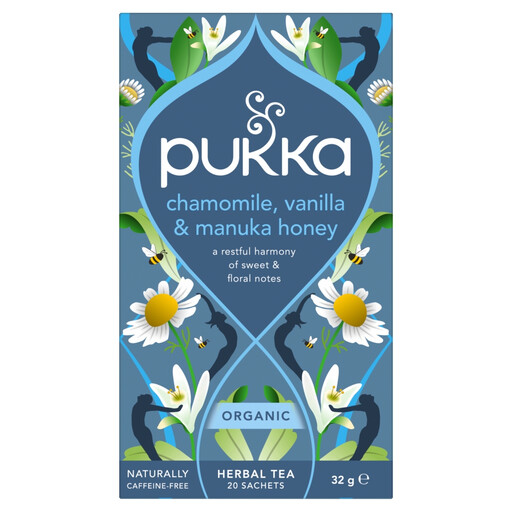
Why This Fits Their Persona: Suits shoppers who value an organic herbal tea format with a softer, dessert-like floral and vanilla profile.
The product information identifies it as naturally caffeine-free and lists chamomile as 68.5% of the blend.
20 individually wrapped sachets; brewed infusion nutrition is listed as 0 kcal and 0g sugar per 100ml.

Why This Fits Their Persona: A multi-bottle option for offices, study spaces, commuting or households that want chilled tea ready to serve.
The nutrition information lists 0g sugar, 0 kcal and 0g fat per 100ml, avoiding the hidden-sugar issue found in some bottled herbal drinks.
15 x 500ml bottles; made with green tea and intended to be served chilled or at room temperature.
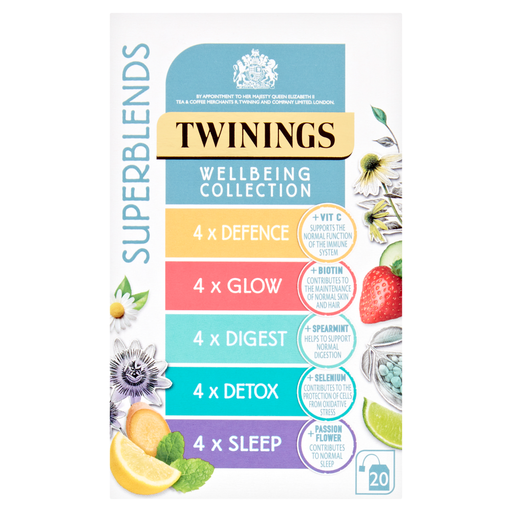
Why This Fits Their Persona: Appropriate for shoppers who want several flavour directions rather than one single-purpose blend.
The collection identifies its individual blends and ingredients, helping you check for green tea, botanicals and added functional ingredients.
20 tea bags containing five varieties, including Digest, Sleep and Defence-labelled blends.
We have compiled a complete, real-time list of products that fully satisfy these strict selection criteria and UK safety regulations.
Many herbal infusions are caffeine-free because they contain flowers, spices or herbs rather than tea leaves. However, green tea, oolong and blends containing tea leaves contain caffeine. Check the ingredient list and product description before purchase.
Unopened tea bags generally remain suitable until the best-before date when stored in a cool, dry place away from strong odours. Bottled tea should follow the label’s storage instructions. After opening, refrigerate where advised and consume within the stated period, commonly within 24 hours for some products.
Tea bags usually cost less per serving, particularly in larger boxes, but ready-to-drink herbal tea saves preparation time and is convenient for commuting, lunch or travel. Compare the price per litre or per serving, while also checking sugar, pack size and storage requirements.