
24/7 Customer Support

Free returns

Same-day & Next-day Delivery

Quality Guaranteed

Unlock Your Welcome Offers: FREE Delivery | Up to 80% OFF | Free 30-day JoyPlus trial
Download the APP
Navigating the world of herbal tea can feel overwhelming. Shelves are filled with boxes promising relaxation, vitality and wellness. But with so many options, it's easy to choose a product that doesn't quite live up to its claims. As a Joybuy Product Recommendation Officer, my role is to help you see past the marketing and make choices that suit your needs and budget.
Many of us have bought a promising-looking box of wellness tea only to find it lacks flavour or effect. This often comes down to a few common purchasing traps.
peppermint tea), you're likely getting a less authentic taste.By understanding what to look for, you can ensure the herbal tea you choose is exactly what you expect.
To avoid disappointment, focus on these key details on the packaging. They provide a much clearer picture of quality than the marketing on the front of the box.
The ingredients are always listed in order of quantity, from highest to lowest. This is the most reliable way to judge a tea's composition.
chamomile tea or peppermint tea, the ingredient list should be simple: "Chamomile flowers (100%)" or "Peppermint leaves (100%)".lemon and ginger tea, check that ginger and lemon are high on the list. If they are preceded by other ingredients or flavourings, their impact on the taste and character of the brew will be diminished. For a functional sleep tea, look for meaningful percentages of key botanicals like valerian, lavender or chamomile.Many herbal infusions use a base of ingredients like hibiscus, apple pieces or rosehip. While these can add a pleasant fruit tea character, they are often used as inexpensive bulk. When you're seeking a relaxing tea or an immune support tea, ensure the ingredients associated with that function are prominent. For example, a blend for immunity might feature echinacea or elderberry, and it's helpful to see these listed with their percentages to confirm they are not just an afterthought. Some blends are also fortified with vitamins and minerals, which will be clearly stated in the ingredients and nutritional information.
Instead of providing a generic list, we've matched a few noteworthy options to specific lifestyles and needs. This helps you find a product that genuinely fits into your daily routine.
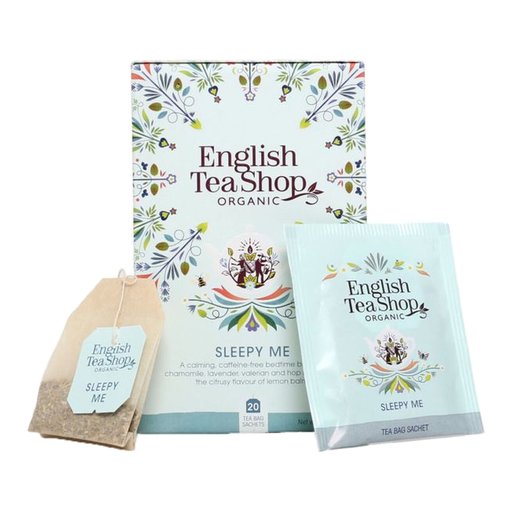
Why This Fits Their Persona: Perfect for the person who wants a dedicated caffeine free tea to signal the end of the day. This blend is designed specifically as a sleep tea for a quiet, pre-bedtime ritual.
The ingredient list is transparent and functional. Chamomile (62%) is the primary ingredient, supported by lavender, hop leaves and valerian roots—all botanicals traditionally associated with relaxation.
It is certified organic, addressing the "natural vs. organic" pitfall. The blend is harmonious and aromatic without relying on artificial flavourings.

Why This Fits Their Persona: This is for someone who wants their daily cup to do a little more. It's an easy way to incorporate an immune support tea into a busy schedule, especially during the colder months in the UK.
It avoids vague "wellness" claims by being specific. The blend is fortified with Vitamin D, which is stated to contribute to the normal function of the immune system—a clear, regulated claim. The Echinacea Root (10%) is also clearly quantified.
This is a functional beverage with a pleasant, fruity flavour from elderberries and blackcurrant. It combines a specific benefit with an enjoyable taste, making it easy to drink regularly.

Why This Fits Their Persona: For those who appreciate a timeless, invigorating classic. This lemon and ginger tea is a go-to choice for a warming, zesty cup at any time of day, from a morning pick-me-up to a soothing evening drink.
It avoids ingredient ambiguity by placing the core components front and centre. Ginger Root (37%) is the main ingredient, ensuring a genuinely spicy and warming character, complemented by real Lemon Peel (9%).
This is a reliable and consistent blend from a long-standing company. The flavour profile is balanced and robust, delivering the zesty and spicy notes that people expect from this classic combination.
We have compiled a complete, real-time list of products that fully satisfy these strict selection criteria and UK safety regulations.
Most infusions made from herbs, fruits and spices are naturally a caffeine free tea. However, some "wellness" or "energy" blends may include ingredients like green tea, black tea, yerba mate or guarana, all of which contain caffeine. It is always best practice to check the ingredient list on the packaging if you need to avoid caffeine completely.
This varies significantly depending on the ingredients. A general guideline is 3-5 minutes, but you can adjust based on the tea and your preference.
chamomile or lavender, a 3-5 minute steep is usually sufficient to extract flavour without bitterness.lemon and ginger tea benefit from a longer steep of 5-7 minutes to release their full-bodied flavour. Covering your cup while it steeps can also help retain the aromatic oils.peppermint tea infuses quite quickly, typically within 3-4 minutes.Always refer to the brewing instructions on the package as a starting point.
The 'actual herb' refers to the whole or cut part of the plant, such as 'peppermint leaves' or 'chamomile flowers'. 'Natural flavouring' is a concentrated substance extracted from a natural source (like a plant or fruit) that is used to impart a specific taste. While it comes from a natural origin, it is a processed component. A product that lists the whole ingredient higher on its list than the flavouring is generally considered to be of higher quality, as its taste comes more directly from the source material.