A filled jar of individually portioned herbal infusions suits a self-service coffee morning when guests need a visible choice of flavours; Twinings lists a selection jar with 30 envelopes. Standard tea bags offer straightforward portions, while loose leaf needs an infuser and clear labelling. If you mean an instant or concentrated drink in a jar, check its ingredients, nutrition panel and preparation instructions rather than treating it as dry herbal tea.
Who is serving and drinking?
Coffee-morning hosts setting up self-service drinks
Portioned drinks let guests choose without measuring from a shared container. A filled jar can display several envelopes together; loose leaf calls for an infuser and a clearly labelled serving setup.
Guests looking for a caffeine-free option
Choose by the individual blend, not the word ‘herbal’ alone. Check its caffeine statement and ingredients, particularly when putting several flavours on the table.
Hosts answering ingredient questions
Keep the original packaging accessible so guests can inspect ingredients and allergen information. Avoid presenting a blend’s wellbeing wording as a medical benefit; the NHS cautions that herbal products are not suitable for everybody.
What should you check before choosing?
First decide whether you want a dry infusion or an instant or concentrated drink. Then match the serving format to how guests will choose and prepare their cups.
| Priority |
What to check |
Your needs |
| Self-service format |
Check whether the pack contains separate portions, which flavours are identifiable, and whether a jar is actually included. Twinings lists a filled selection jar with 30 envelopes. |
I want guests to see their options and take a portion without measuring from a shared jar. |
| Caffeine and flavour |
Read each blend’s ingredients and caffeine statement. Check whether the selection offers flavours your guests are likely to recognise or want to try. |
Some guests want an alternative to coffee, but a single mint, floral or fruit flavour may not suit everyone. |
| Ingredients and labelling |
Keep the original ingredient and allergen information available, especially if transferring loose leaf to another container. Check the product’s storage directions too. |
I need to answer ingredient questions without asking guests to rely on an unlabelled display jar. |
| Preparation |
Check brewing directions for bags or loose leaf, and provide an infuser for the latter. For an instant or concentrated drink, follow its own serving instructions. |
Guests should be able to make a cup using the equipment and instructions set out beside the drinks. |
| Type of jarred drink |
For an instant or concentrated product, read the ingredients, nutrition panel and serving size. Do not assume its contents or preparation match a dry infusion. |
If the jar contains a prepared drink rather than tea envelopes or loose herbs, I want to know what each serving involves. |
What can go wrong with a jar?
-
Assuming every herbal-labelled drink is caffeine-free
A category name is less useful to a guest avoiding caffeine than information about the specific blend.
Check the caffeine statement and ingredients of every flavour in a mixed selection before putting it out.
-
Treating a concentrate like dry herbal tea
An instant or concentrated drink can call for a different serving method and have different ingredients from a brewed tea bag.
Read its preparation instructions, ingredients and nutrition panel before deciding how to serve it.
-
Decanting tea without keeping its details
Once the original pack is put away, guests may not be able to check what is in a blend or follow its storage and brewing directions.
Keep the packaging accessible beside the jar, and label loose-leaf choices clearly. Provide an infuser if guests will brew their own cups.
-
Using wellbeing wording as a health promise
The NHS cautions that herbal products are not suitable for everybody; a flavour description does not establish a medical effect.
Describe the drink’s ingredients, flavour and preparation instead. Guests with questions about whether a herbal product suits their circumstances can seek advice from an appropriate healthcare professional.
Relevant brand references
These examples illustrate formats and flavours to compare; a brand’s range is not a substitute for checking the individual product.
Twinings
Fruit and herbal infusions, including a listed Caffeine Free Infusions Selection Filled Jar with 30 envelopes.
- The filled jar combines a display container with portioned flavour choices.
- Check the ingredients of each included blend against guests’ needs rather than relying on the jar’s presentation.
Pukka
Herbal blends including Three Chamomile, which Pukka identifies as naturally caffeine-free.
- Three Chamomile offers a clearly named floral flavour.
- That product’s caffeine statement does not describe every blend in the range or establish suitability for every guest.
Clipper
Herbal infusions including a 20-bag Organic Peppermint Infusion.
- Clipper instructs users to pour freshly boiled water over its peppermint bag and infuse it for 2–5 minutes.
- A single-flavour box offers less choice than a mixed selection.
Teapigs
Loose-leaf tea and pick-and-mix packs, including 15- and 50-temple pack sizes.
- Separate packs allow a host to choose which flavours to put out.
- Loose leaf needs brewing equipment, and a separate serving jar should not replace access to the original product details.
Yogi Tea
Organic blends presented by flavour and occasion on Yogi Tea’s UK site.
- Its range gives hosts botanical and spiced flavour descriptions to compare.
- Mood or wellbeing descriptions should not be treated as evidence of medical effects.
Herbal tea bags on Joybuy
These are portioned tea-bag options for a coffee morning. If you want a filled display jar, check the packaging of the product you choose rather than assuming one comes with tea bags.
 No image available
Tropical Sun Soursop Tea, 20 tea bags
A portioned soursop choice if you want to offer one flavour; keep the pack available so guests can check its ingredients and brewing directions.
View on Joybuy
 No image available
Twinings Lemon & Ginger Tea Bags, 20 pack
Choose this flavour if lemon and ginger would add useful variety to the table; check the full blend ingredients for guests with specific requirements.
View on Joybuy
 No image available
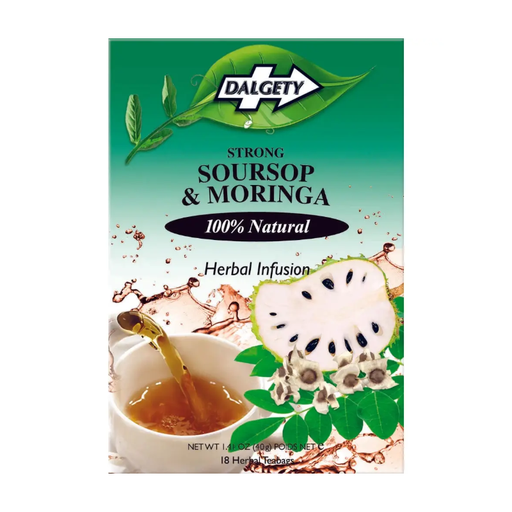
Dalgety Soursop & Moringa Tea, 40g
A soursop-and-moringa blend for guests who want another herbal flavour; check the pack for its serving directions and ingredient details.
View on Joybuy
 No image available
Twinings Pure Peppermint, 80 pack
The 80-pack provides portions of one mint flavour for repeated servings; add another flavour if you want to offer guests a choice.
View on Joybuy
 No image available
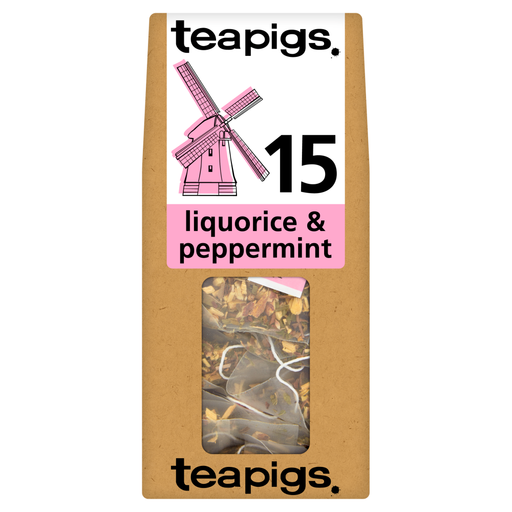
Teapigs Liquorice & Mint, 15 tea bags
This combines liquorice and mint in portioned bags; show guests the ingredients rather than treating it as a plain peppermint option.
View on Joybuy
Common questions
How can I check whether a herbal tea is caffeine-free?
Read the caffeine statement and ingredients for the particular blend, including each flavour in a selection jar. Pukka identifies its Three Chamomile tea as naturally caffeine-free, but that statement should not be applied to unrelated blends.
Is a jarred herbal drink the same as tea bags in a jar?
Not necessarily: a jar can hold dry tea portions or an instant or concentrated drink. Check what is inside, then follow that product’s preparation instructions and read its ingredients and nutrition panel where provided.
Can I describe a herbal infusion as treating a condition?
Do not make a medical promise based on a drink’s herbal ingredients. The NHS cautions that herbal products are not suitable for everybody; describe the flavour, ingredients and preparation instead.
What information should stay with a self-service tea jar?
Keep the original packaging accessible so guests can check ingredients, allergen information and preparation directions. The Food Standards Agency says food businesses must provide allergen information for both prepacked and non-prepacked food and drink; whether a particular coffee morning is operating as a food business depends on how it is run.


