Coffee commuters changing their hot drink
If you want a hot drink without coffee flavour, a tea bag labelled caffeine-free offers a different routine. Check its brewing instructions against the time and hot water you have before leaving or at work.


Choose a herbal infusion labelled caffeine-free if you want a hot drink on your commute and are happy to move away from coffee flavour. Choose decaffeinated coffee if keeping a coffee-style drink matters more; with herbal tea, check the exact blend's ingredients and whether its brewing instructions fit your access to hot water.
If you want a hot drink without coffee flavour, a tea bag labelled caffeine-free offers a different routine. Check its brewing instructions against the time and hot water you have before leaving or at work.
A single-herb infusion makes it easier to identify what is in the cup. Clipper lists chamomile as the sole ingredient in its Organic Chamomile Infusion; check the exact pack if you are choosing a different blend.
If you are pregnant, breastfeeding, taking medicines or managing a health condition, do not treat a herbal drink as a remedy on the strength of its botanical ingredients. NHS guidance cautions that herbal medicines may be unsuitable for some people or interact with medicines; ask a pharmacist, GP or midwife about a product you intend to use therapeutically.
Start with the kind of drink you want, then check caffeine labelling, ingredients and preparation on the exact product.
Choose it when: you want a hot drink but are open to botanical flavours rather than coffee flavour.
Bear in mind: even a caffeine-free infusion will not reproduce a coffee-style drink.
Choose it when: keeping coffee flavour and your usual way of serving it matters most.
Bear in mind: check the product's caffeine information if avoiding caffeine is your main reason for switching.
| Priority | What to check | Your needs |
|---|---|---|
| Caffeine status | Look for a caffeine-free statement on the exact pack or product page. Read the ingredients rather than relying on the word tea alone. | I want a hot drink without choosing another caffeinated tea by mistake. |
| Preparation | Check the water and infusion instructions, plus whether you can make the drink before leaving or at work. Twinings instructs users to steep its Pure Camomile tea bag in 200ml of freshly boiled water for 3 minutes. | A tea bag suits my journey only if I have the hot water and time its instructions call for. |
| Ingredients | Compare single-herb products with multi-ingredient blends. Clipper lists 100% chamomile in its Organic Chamomile Infusion; Twinings lists ginger, flavourings and several botanicals in Lemon & Ginger. | I'd rather recognise every ingredient, especially if I need to avoid a particular botanical. |
| Drink profile | Choose between a herbal infusion and decaffeinated coffee according to the flavour you want. Within herbal tea, check the named herbs and flavourings rather than expecting a coffee-like cup. | Keeping the coffee taste matters to me more than trying a different kind of hot drink. |
A broad tea or herbal label is less useful than a caffeine statement for the product you will actually drink.
Check the exact pack for caffeine-free or naturally caffeine-free wording, then read its ingredients.
Chamomile, ginger blends and rooibos are different ingredients from coffee, so a herbal infusion changes the character of the drink as well as the routine.
If coffee flavour is essential, compare decaffeinated coffee. Otherwise, choose a herbal blend by its stated ingredients and flavour profile.
A beverage's botanical ingredients do not establish that it treats a condition. NHS guidance also warns that herbal medicines may be unsuitable for some people and can interact with medicines.
If you are considering a herbal product for a health purpose, particularly during pregnancy or breastfeeding or while taking medicines, ask a pharmacist, GP or midwife for advice.
These brand references help you compare named ranges and products; check the caffeine and ingredient information for the individual tea you choose.
An option to consider if you are looking at organic-positioned herbal blends.
Its UK range includes named herbal and fruit infusions as well as rooibos.
Its herbal-infusion range includes single-herb options.
Its UK collection includes herbal tea and caffeine-free categories.
Its collection spans herbal, green and black teas with botanical and spiced blends.
These tea-bag and sachet options are for commuters considering a herbal drink rather than coffee. Compare their ingredients, caffeine statements and preparation instructions against your routine.
 No image available
A ginger-and-lemon infusion for a different flavour from coffee. Twinings describes this blend as naturally caffeine-free and lists ginger root, lemon flavouring, lemongrass, blackberry leaves, lemon peel and sweet fennel; check the full list if you avoid any of them.
 No image available
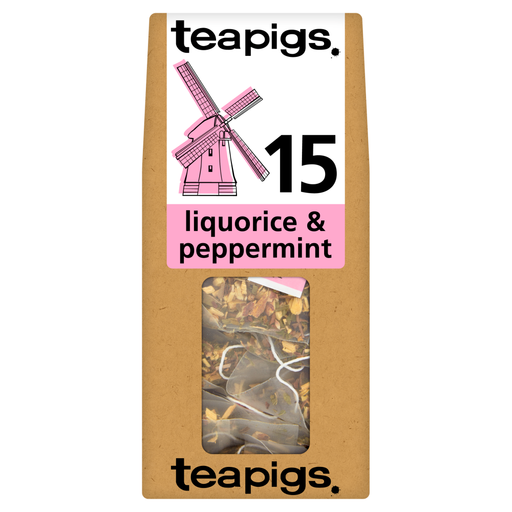
Consider this blend if liquorice and mint appeal more than coffee flavour. The pack contains 15 tea bags; check its caffeine declaration, ingredient proportions and brewing instructions before fitting it into your commute.
 No image available
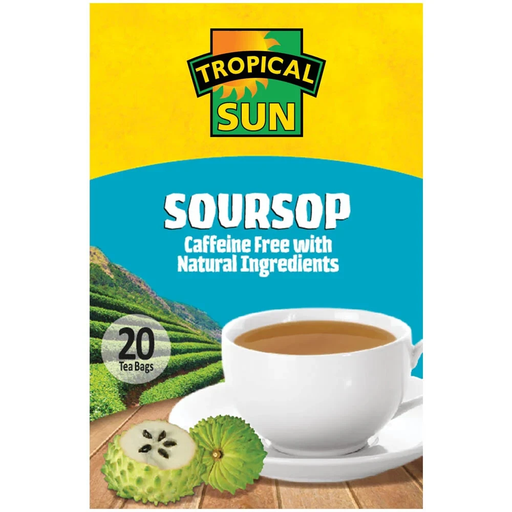
A soursop tea-bag option if you want to consider a botanical drink instead of coffee. The pack contains 20 tea bags; check the exact ingredient and caffeine statements, and follow the pack's instructions for your chosen brewing method.
 No image available
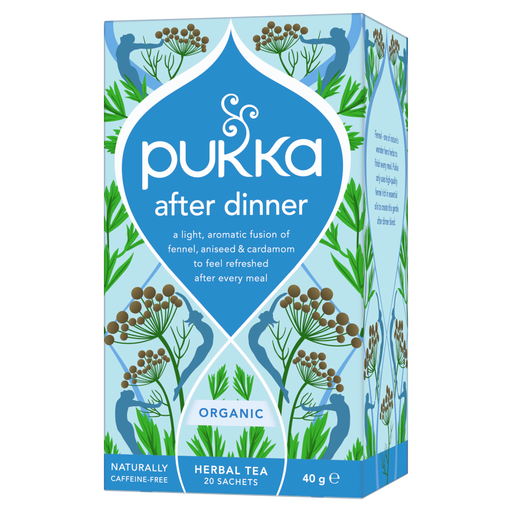
A sachet-format herbal blend for a change from coffee; allow time for the stated 5–7-minute infusion when planning your journey. Check the full ingredient and allergen information if particular botanicals or celery are a concern, and do not treat the product name as a health claim.
 No image available
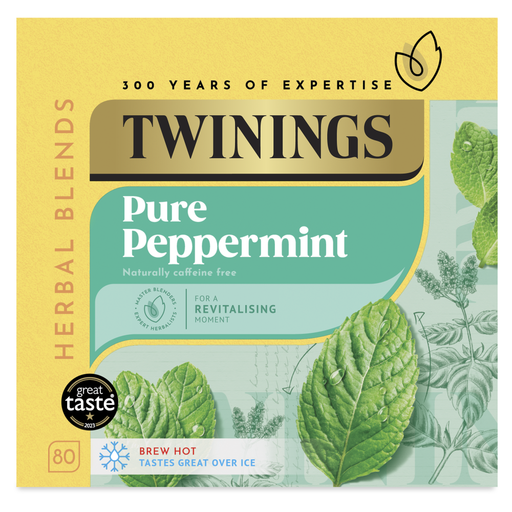
A peppermint option if you want a herbal flavour rather than a coffee-like drink. The pack contains 80 tea bags; check its caffeine statement, ingredients and brewing instructions to see whether preparation fits your commute.
No. Check the exact product for a caffeine-free or naturally caffeine-free statement and read its ingredients. Twinings makes that statement for its Pure Camomile and Lemon & Ginger products, but a category name alone is not a product-specific declaration.
Choose a caffeine-free herbal infusion if you want a different hot drink and botanical flavours appeal to you. Choose decaffeinated coffee if retaining coffee flavour and a coffee-style routine matters more, and check the caffeine information on whichever product you buy.
Follow the instructions for the individual product and make sure you will have suitable water and time. For example, Twinings specifies one Pure Camomile tea bag in 200ml of freshly boiled water for 3 minutes.
Do not assume a herbal beverage is a treatment because of its ingredients or product name. NHS guidance cautions that herbal medicines are not suitable for everybody; seek professional advice if you are choosing a herbal product for a health purpose.
Ask a pharmacist, GP or midwife before using a herbal product as a remedy. NHS guidance warns that herbal medicines may be unsuitable during pregnancy or breastfeeding and may interact with some medicines; check the ingredients of the exact drink rather than assuming that natural wording establishes its suitability.