Hosts offering an alternative to black tea
If a guest would prefer a caffeine-free drink, a herbal infusion can sit alongside traditional tea rather than replace it for everyone. Check the caffeine statement on the particular pack you plan to serve.


For a cream tea, choose a mellow chamomile infusion if you want a gentle alternative to black tea, or a fruit infusion for a brighter flavour. Peppermint and spiced blends are more distinct choices for guests who enjoy those flavours. Tea bags need no storage jar; if you choose loose tea, decide separately whether an infuser and a food-safe jar suit how you want to serve it.
If a guest would prefer a caffeine-free drink, a herbal infusion can sit alongside traditional tea rather than replace it for everyone. Check the caffeine statement on the particular pack you plan to serve.
Scones, clotted cream and jam leave room for different flavour choices. Chamomile offers a mellow floral direction; fruit, peppermint and spice make more noticeable alternatives for guests who want them.
If a caddy or jar is part of the presentation, choose the tea format first. Tea bags can be served from their pack, while loose tea calls for an infuser or strainer and may be kept in a separate storage container.
Start with the flavour your guests are likely to enjoy, then check the exact blend and decide whether tea bags or loose tea fit your plans for serving it.
| Priority | What to check | Your needs |
|---|---|---|
| Flavour | Look for a mellow floral, fruit-led, cooling mint or spiced description. Check the ingredients as well as the flavour name: blends can contain several herbs and botanicals. | I would like a gentle cup beside the scones, or a more pronounced flavour for guests who ask for one. Clipper describes its chamomile as mellow and floral, while its peppermint has a crisp, cool taste. |
| Caffeine | Check that the exact product is labelled caffeine-free or naturally caffeine-free. Do not apply a claim about one infusion to every product in a tea range. | Some guests may want an alternative to black tea. I need to know whether the brew I am serving carries an explicit caffeine-free statement. |
| Ingredients | Read the current pack’s full ingredients and allergen information. A named flavour need not describe every ingredient: Twinings lists liquorice among the ingredients of its Strawberry & Elderflower infusion. | Before offering a blend to guests with ingredient restrictions, I want to check the particular recipe rather than rely on its category or flavour name. |
| Serving format | Choose between individually portioned tea bags and loose tea that needs measuring and an infuser or strainer. Check the pack quantity if you are serving several guests. | Tea bags would make it straightforward to offer different cups; loose tea appeals if I want a more hands-on tea service. |
| Storage jar | Decide on a jar separately from the infusion. If decanting loose tea, use a clean, food-safe container and follow the tea’s storage instructions. | I only need a display or storage jar if it suits the format and the way I plan to set the table; it does not determine which flavour to serve. |
A mellow chamomile infusion, cooling peppermint and a blend containing several spices will make different additions to a cream tea.
Choose a flavour direction before choosing a pack. For a group with mixed preferences, consider offering a gentle infusion alongside a more distinctive one.
Fruit and spiced infusions can contain botanicals beyond those named on the front of the pack. That distinction matters when a guest has an ingredient restriction.
Read the current ingredients and allergen information for the exact blend before serving it.
A jar does not make an infusion better suited to cream tea. Loose tea also needs a way to infuse and strain it, whereas tea bags can be served without that equipment.
Choose tea bags or loose tea first, then decide whether a separate food-safe storage or presentation jar is useful.
The caffeine status of a particular herbal infusion should not be extended to other teas or blends.
If caffeine-free service matters, look for that statement on the exact product’s current pack.
These ranges illustrate different flavours and formats to consider; a brand’s wider range does not establish the ingredients of any individual pack.
Pukka describes a caffeine-free herbal range spanning mint, ginger, berries, chamomile and spiced blends.
Twinings offers fruit and herbal infusions, including the fruit-led Strawberry & Elderflower blend.
Clipper’s cited organic chamomile and peppermint infusions offer two clearly different single-herb flavours.
Teapigs lists loose-leaf options, including chamomile and peppermint, for hosts who prefer that serving format.
Tesco’s fruit and herbal tea category is a retailer reference for browsing tea-bag formats, rather than an indication that Tesco makes every product listed there.
These tea-bag options cover chamomile, peppermint, fruit, lemon and ginger flavours for a cream tea table. Choose by the flavour and serving format you want, and check each current pack for caffeine, ingredients and allergen information where those details matter to your guests.
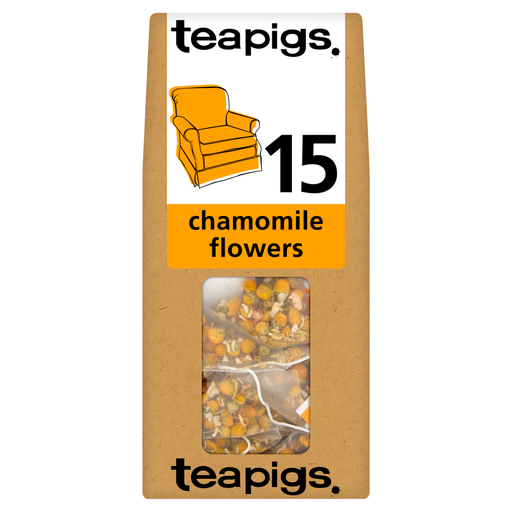 No image available
Choose this chamomile option if you want a floral flavour to offer alongside traditional tea. The pack is named as containing 15 tea bags; check its current ingredients, allergen information and caffeine statement before serving.
 No image available
Peppermint is a distinct choice for guests who prefer mint to a floral or fruit flavour. This 80-pack offers individually portioned tea; check the current pack for its full ingredients, allergen information and caffeine statement.
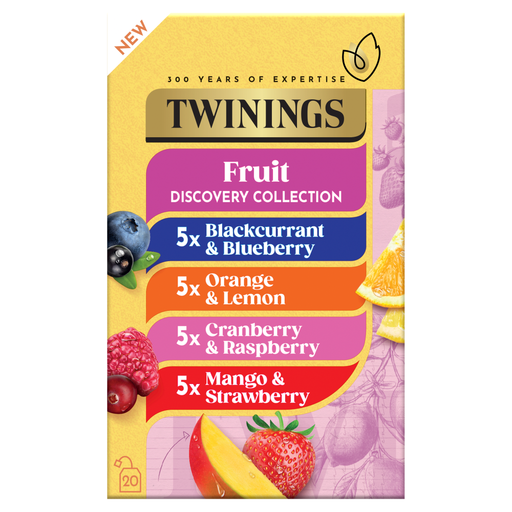 No image available
A fruit selection gives guests a fruit-led alternative to the floral and mint options. The named pack contains 20 tea bags; check each blend’s ingredients and allergen information rather than assuming the whole selection has one recipe.
 No image available
Consider lemon and ginger when you want to offer a more pronounced flavour than plain chamomile. The named pack contains 20 tea bags; read its current ingredients, allergen information and caffeine statement before serving.
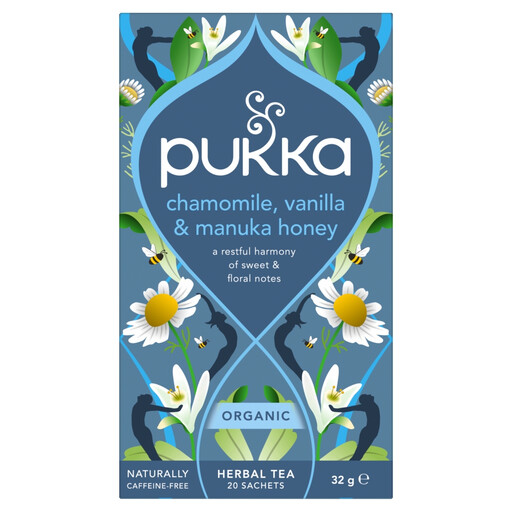 No image available
This is a chamomile-named option for guests who want a blend rather than plain chamomile. The named pack contains 20 sachets; check its current ingredients to understand the vanilla and Manuka Honey wording and to assess any guest-specific restrictions.
Offer herbal tea as an additional choice rather than assuming it replaces black tea for every guest. A herbal infusion has a different flavour character, so keeping both available accommodates different preferences.
Chamomile is worth considering if you want a mellow floral option: Clipper describes its Organic Chamomile Infusion that way and lists chamomile as its sole ingredient. Fruit, mint and spiced blends suit guests who specifically want those more distinct flavours.
No jar is needed to serve tea bags. For loose tea, a separate food-safe storage jar is an option if it suits your table and storage plans; you will also need an infuser or strainer to brew the tea.
Read the current pack’s full ingredients and allergen information for the exact infusion. A fruit or spice name may not identify every botanical in a blend, and a simple-sounding flavour is not a substitute for checking a guest’s specific requirements.
Check the exact pack for a caffeine-free or naturally caffeine-free statement rather than assuming it from the word “herbal”. Clipper makes that statement for its cited chamomile and peppermint infusions, but a claim for those products does not establish the status of every blend.