Who is each option for?
The useful distinction is whether you want to avoid caffeine as fully as practical or keep the character of a cup made from tea leaves.
Morning tea drinkers reducing caffeine
If you want a hot drink without the caffeine traces that decaf tea can retain, look at naturally caffeine-free herbal or fruit infusions and check each blend’s ingredients. If black- or green-tea flavour is important, decaf tea offers a different compromise. Twinings distinguishes naturally caffeine-free infusions from decaffeinated tea.
Traditional tea drinkers who add milk
Decaffeinated black tea keeps a black-tea base for a familiar morning routine. Check the individual pack’s brewing and serving directions, and remember that decaffeinated does not necessarily mean caffeine-free.
Shoppers checking herbal ingredients
Botanical blends can contain different herbs and spices, so read the exact ingredient list and warnings. If you take medicines or have a condition that makes an ingredient’s suitability uncertain, ask a pharmacist or clinician rather than choosing a blend for a promised health effect. The NHS advises that herbal medicines are not suitable for everyone; a tea should not be treated as a substitute for treatment.
What should you check before choosing?
Start with the caffeine distinction, then choose a flavour and preparation format that fit your morning break. A spiced blend is one kind of herbal infusion, not a separate caffeine category: its ingredients still need checking.
| Priority |
What to check |
Your needs |
| Caffeine |
Check whether the pack says naturally caffeine-free or decaffeinated. Twinings notes that most herbal and fruit infusions contain no caffeine, but blends with mate or guarana are exceptions; decaf tea can retain traces. |
I want to avoid choosing decaf black or green tea when my aim is a naturally caffeine-free morning drink. |
| Familiar tea flavour |
Choose a decaffeinated black-tea base if the black-tea character of a morning cup matters. Check serving directions if you add milk; mint, chamomile and spice infusions offer different flavours. |
Keeping my usual cup with milk matters more to me than switching to a botanical flavour. |
| Herbal flavour |
Read the named ingredients rather than relying on “herbal tea” alone. Mint, ginger, fruit, chamomile and spice blends offer different starting points, and some recipes combine several botanicals. |
For a change from breakfast tea, I would rather pick a flavour I recognise than assume all herbal blends taste alike. |
| Preparation |
Check the pack format and follow its brewing directions. Infusion times vary by product, even within decaf black tea. |
A tea bag and clear brewing instructions make it easier to prepare a cup during a short break. |
| Ingredient suitability |
Read the full ingredient list and any pack-specific warnings, particularly for blends containing herbs such as liquorice. Ask a pharmacist or clinician when medicines or a health condition make suitability uncertain. |
I need to know what is in a blend before making it part of my routine, rather than treating “natural” as a suitability guarantee. |
Brands to consider
These brand ranges illustrate the choice between herbal infusions and decaffeinated tea; a brand’s inclusion here does not mean every one of its blends has the same ingredients or caffeine status.
Pukka
A range to explore for botanical infusions with mint, ginger, berry, chamomile or spice flavours.
- Pukka describes a range of its herbal teas as naturally caffeine-free.
- Check the individual blend: Pukka also sells products containing green tea.
Twinings
Offers both herbal and fruit infusions and decaffeinated tea-leaf options, including black and green tea.
- Its range makes it possible to choose between botanical flavours and a more conventional tea base.
- Twinings distinguishes naturally caffeine-free infusions from decaffeinated tea, which can retain caffeine traces.
Clipper
An option for shoppers looking specifically for decaffeinated tea leaves.
- Clipper describes its Organic Everyday Decaf as a Fairtrade and organic tea blend decaffeinated using carbon dioxide.
- A decaf black- or green-tea product is not the same choice as a naturally caffeine-free herbal infusion.
Teapigs
Offers a Decaf English Breakfast option for shoppers who want a black-tea base.
- Teapigs lists decaffeinated black tea as the ingredient and says it uses carbon-dioxide decaffeination.
- Its decaf black tea should not be mistaken for a naturally caffeine-free herbal infusion.
Yogi Tea
Focuses on herb- and spice-led blends for shoppers who prefer those flavours to breakfast tea.
- Yogi Tea describes its original herbal blend as naturally caffeine-free.
- Read the ingredients and any warnings on the particular recipe, including when it contains liquorice.
Tesco
An own-label decaffeinated tea-bag option for a conventional tea routine.
- Tesco lists its Decaff Original as a pack of 80 decaffeinated tea bags.
- The decaf designation does not establish that the tea is naturally caffeine-free.
Herbal infusions on Joybuy
These Joybuy options are herbal infusions for a morning break, with lemon and ginger, mint, soursop leaf and chamomile flavours. If keeping a traditional black- or green-tea flavour matters more, compare decaffeinated tea separately rather than expecting these infusions to taste the same.
 No image available
Twinings Lemon & Ginger Tea Bags, 20 Pack
For a morning break when you would prefer lemon-and-ginger flavour to a black-tea cup. The product description calls this infusion caffeine-free; check the pack’s ingredients if avoiding caffeine is your main reason for choosing it.
View on Joybuy
 No image available
Pukka Organic Three Mint Herbal Tea, 20 Sachets, 32g
A mint-led option if you want a botanical flavour rather than breakfast tea. The product information describes the blend as naturally caffeine-free, but also contains conflicting Three Ginger wording; confirm that the pack is Three Mint before choosing it.
View on Joybuy
 No image available
Twinings Pure Peppermint, 80 Pack
Consider this if a straightforward peppermint flavour appeals for regular morning breaks. The product information describes the infusion as caffeine-free; peppermint will taste different from decaffeinated black tea.
View on Joybuy
 No image available
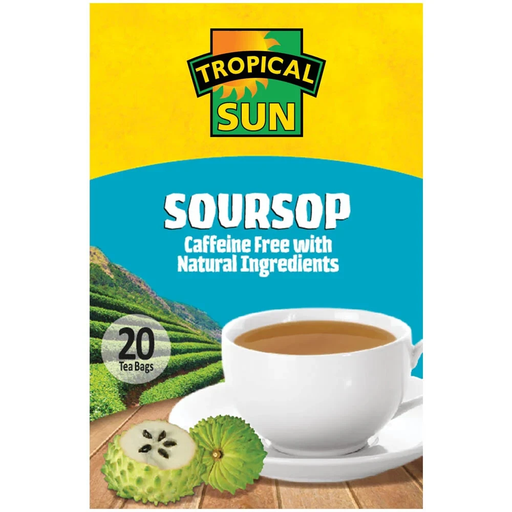
Tropical Sun Soursop Tea, 20 Tea Bags
A soursop-leaf infusion for someone open to a flavour outside the usual mint or breakfast-tea choices. Its product description calls it caffeine-free; read the ingredient list and any pack warnings when deciding whether this botanical suits you.
View on Joybuy
 No image available
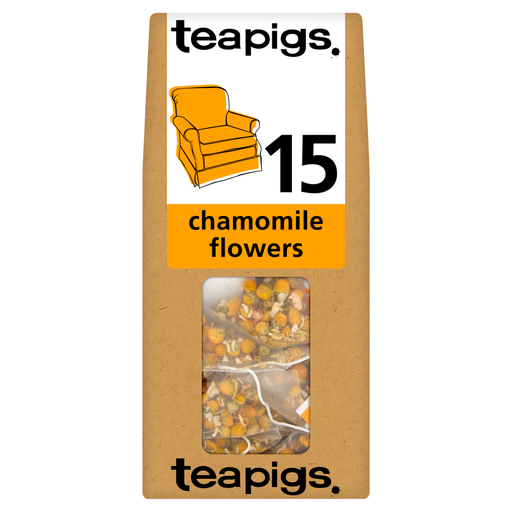
Teapigs Chamomile Flowers, 15 Tea Bags, 180g
Choose this floral option if you are happy for your morning drink to taste unlike breakfast tea. The product information describes the chamomile infusion as caffeine-free; check the pack if you need to confirm its ingredients or suitability.
View on Joybuy
Questions about herbal and decaf tea
Is herbal tea always caffeine-free?
No. Twinings says most herbal and fruit infusions naturally contain no caffeine, but blends containing mate or guarana are exceptions. Check the exact ingredients rather than relying on “herbal tea” alone.
What is the difference between decaf tea and a caffeine-free infusion?
Decaf black or green tea is made from tea leaves that have undergone caffeine removal, so traces can remain. Many herbal and fruit infusions are naturally caffeine-free, but the ingredients still matter: Twinings identifies mate and guarana as exceptions.
What should I choose if I still want morning tea with milk?
Decaffeinated black tea is the closer match because it retains a black-tea base. Check the particular pack’s serving and brewing directions, and choose a herbal infusion instead if avoiding residual caffeine is more important than keeping that familiar flavour.
Should I check herbal ingredients if I take medicines?
Yes. Read the blend’s ingredients and warnings, and ask a pharmacist or clinician when you are unsure whether an ingredient is suitable alongside your medicines. The NHS cautions that herbal medicines are not suitable for everyone; do not use a tea as a treatment.
Do spiced herbal blends need a separate check?
Check the exact recipe rather than assuming all spiced blends contain the same herbs. In particular, read any pack warning on a liquorice-containing blend before making it a regular drink.


