Guests avoiding caffeine
Choose a product explicitly labelled naturally caffeine-free and check its ingredients. Twinings UK identifies mate and guarana as caffeinated exceptions in some herbal and fruit infusions.


Serve a clearly labelled, naturally caffeine-free infusion when a guest wants to avoid caffeine; Twinings UK notes that herbal blends containing mate or guarana are exceptions, so check the ingredients. For guests who prefer conventional tea, decaffeinated black tea is a separate option, but it can retain traces of caffeine. Rooibos offers another naturally caffeine-free choice.
Choose a product explicitly labelled naturally caffeine-free and check its ingredients. Twinings UK identifies mate and guarana as caffeinated exceptions in some herbal and fruit infusions.
Offer rooibos if they want a naturally caffeine-free alternative, or decaffeinated black tea if conventional tea is their preference. Make the distinction clear: decaf tea can retain caffeine.
A small selection with contrasting flavours gives guests more choice than several similar blends. Chamomile, peppermint and rooibos cover different styles; decaf black tea adds a conventional-tea option.
Choose when: A guest wants a floral or mint flavour and a specifically labelled naturally caffeine-free drink. Pukka describes Three Chamomile and Clipper describes Organic Peppermint as naturally caffeine-free.
Bear in mind: Neither flavour is a substitute for the taste of black tea; check each blend’s ingredients rather than relying on the word “herbal”.
Choose when: A guest wants a naturally caffeine-free alternative to conventional tea; Twinings UK identifies rooibos as naturally caffeine-free.
Bear in mind: Rooibos has its own flavour rather than the flavour of black tea. Check the ingredients and allergen wording on a flavoured blend.
Choose when: Conventional black tea matters more to a guest than having a naturally caffeine-free infusion.
Bear in mind: Decaffeinated does not necessarily mean caffeine-free. Twinings UK states that its Everyday Decaffeinated tea contains 0.02% caffeine; check the information for the exact tea you serve.
| Priority | What to check | Your needs |
|---|---|---|
| Caffeine status | Read the caffeine statement and ingredients together. Twinings UK identifies mate and guarana as exceptions among herbal infusions; decaffeinated tea is a different claim from naturally caffeine-free. | If I am serving someone avoiding caffeine, I want to identify a clearly labelled option rather than assume every herbal or decaf tea meets that need. |
| Flavour choice | Compare the named ingredients and flavour styles: chamomile for a floral option, peppermint for mint, or rooibos as an alternative to conventional tea. Check whether guests would also want decaf black tea. | A mix of tastes matters more to my group than several versions of the same herbal flavour. |
| Ingredients and allergies | Keep the exact pack available for its ingredient, allergen and factory information. Teapigs states that its honeybush-and-rooibos tea is made in a factory handling nuts; that detail applies to that product, not every herbal tea. | I want guests with ingredient sensitivities to be able to check what is in the drink I am serving. |
| Preparation | Check the pack’s water and infusion directions for each blend. Decide whether individual cups would make it easier to serve different flavour or strength preferences. | When guests prefer different brews, I would rather prepare their cups separately than commit everyone to one pot. |
Twinings UK identifies mate and guarana as caffeinated ingredients that can appear in herbal or fruit infusions.
For a guest avoiding caffeine, check both the product’s caffeine statement and its ingredient list.
Decaffeinated black tea can retain caffeine. Twinings UK states that its Everyday Decaffeinated tea contains 0.02% caffeine, whereas its rooibos range is described as naturally caffeine-free.
Label the choices clearly when serving: offer decaf black tea for someone seeking conventional tea, and a clearly labelled naturally caffeine-free infusion for someone avoiding caffeine.
A guest who does not enjoy those flavours may have little choice, even if several boxes are on the table.
Consider contrasting styles such as chamomile, peppermint and rooibos, with decaf black tea if conventional tea is expected.
Allergen and factory information can be product-specific. Teapigs states that its honeybush-and-rooibos tea is made in a factory handling nuts.
Keep each product’s pack available so guests can read the information for the exact blend.
A reference point for a floral herbal choice: Pukka describes its Three Chamomile tea as naturally caffeine-free.
Offers distinct herbal, rooibos and decaffeinated-tea routes for guests with different preferences.
Its Organic Peppermint Infusion is a mint option that Clipper labels naturally caffeine-free.
Yogi Tea presents a range of organic herbal blends, including spiced styles.
Its honeybush-and-rooibos tea is described by Teapigs as naturally caffeine-free.
These options include herbal infusions with different named flavours and one decaffeinated black tea. For guests avoiding caffeine or checking ingredients, use the statement and details on each exact pack before serving.
 No image available
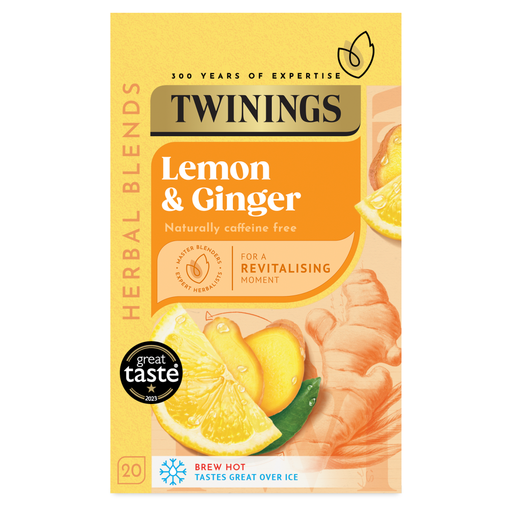
A lemon-and-ginger option for guests who prefer those flavours to mint or chamomile. The title identifies a 20-bag pack; check the exact pack’s caffeine, ingredient and allergen information before serving.
 No image available
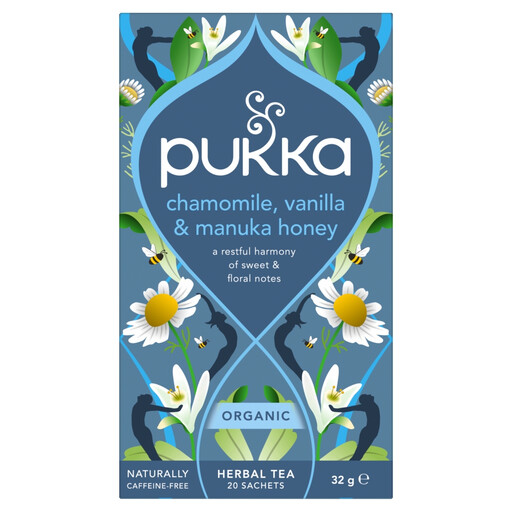
A flavoured chamomile option rather than plain chamomile; the title identifies 20 herbal tea sachets and a 32g pack. This is a different blend from Pukka Three Chamomile, so check this pack’s own caffeine statement and ingredient cautions.
 No image available
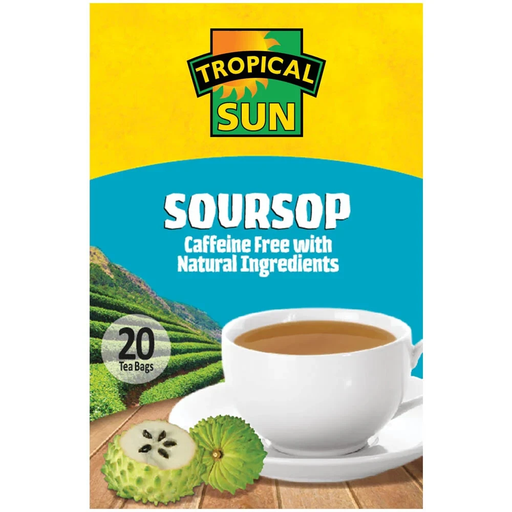
A soursop option for guests who want a flavour other than mint or chamomile. The title identifies 20 tea bags; check the pack’s caffeine statement, ingredients and preparation directions before serving.
 No image available
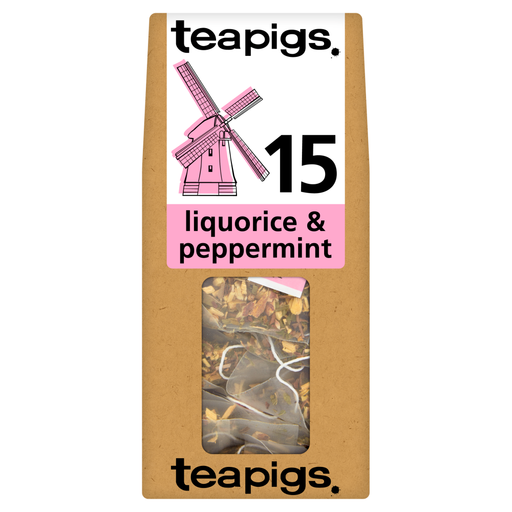
A liquorice-and-mint choice for guests who want a different mint blend. The title identifies 15 tea bags; read the exact pack’s allergen and factory information before serving anyone with an allergy.
 No image available
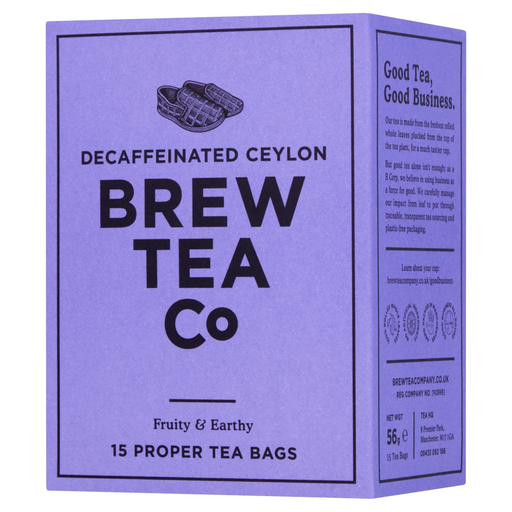
A decaffeinated tea option for guests who prefer conventional tea to a herbal infusion. The title identifies 15 tea bags and a 56g pack; check this exact pack’s caffeine information if a guest needs to avoid caffeine.
No. Twinings UK says most herbal and fruit infusions naturally contain no caffeine, but identifies blends with mate or guarana as exceptions. Check the caffeine statement and ingredients on the tea you plan to serve.
Offer decaffeinated black tea if they want conventional tea, while explaining that decaf can retain caffeine. If they want a naturally caffeine-free alternative instead, consider rooibos: Twinings UK describes it as naturally caffeine-free, though it does not taste the same as black tea.
Follow the directions on the exact peppermint tea pack. If guests prefer different strengths, preparing individual cups lets each person choose their infusion time.
Keep the exact pack available and check its ingredients, allergen statement and factory wording with the guest. Teapigs states that its honeybush-and-rooibos tea is made in a factory handling nuts; that statement is specific to that product.