People keeping hot drinks unsweetened
If you have diabetes and want to reduce sugar added to tea, focus on the prepared drink rather than a flavour name. Diabetes UK includes unsweetened tea among its drink choices for people living with diabetes.


Having diabetes does not, by itself, mean you need decaf tea: for an unsweetened hot drink, check what is in the prepared cup and avoid adding sugar. Choose a herbal infusion explicitly labelled caffeine-free if avoiding caffeine is your aim, or consider decaffeinated conventional tea if you prefer its flavour; either way, check the exact ingredients and warnings, particularly for complex herbal blends.
If you have diabetes and want to reduce sugar added to tea, focus on the prepared drink rather than a flavour name. Diabetes UK includes unsweetened tea among its drink choices for people living with diabetes.
If caffeine avoidance matters to you, look for a caffeine-free statement on the exact infusion. Decaffeinated conventional tea is a different choice for those who prefer a traditional tea flavour.
Multi-herb blends deserve a closer look if you take regular medicines or have a relevant health condition. Read the ingredients and warnings, and ask a pharmacist or clinician about a blend when needed; herbal products should not replace diabetes treatment.
Choose it when: You want a herbal or fruit infusion and caffeine avoidance is the reason for choosing between the drinks.
Keep in mind: Caffeine-free does not tell you whether a blend contains sugar or ingredients you need to check.
Choose it when: You prefer black or green tea flavour while monitoring caffeine.
Keep in mind: Decaf describes a different tea route from a naturally caffeine-free herbal infusion; check the product’s own caffeine wording.
Once you have chosen the type of drink, check the label for the details that matter in your cup.
| Priority | What to check | Your needs |
|---|---|---|
| Prepared-drink sugar | Look for a sugar-free statement or sugars listed for the brewed drink where available. Check what you add after brewing; a fruit or spice flavour is not a sugar declaration. | I want an unsweetened hot drink, so I need to consider both the tea I buy and what goes into my cup. |
| Caffeine status | Check for an explicit caffeine-free statement on a herbal infusion, or a decaf statement on conventional tea. Do not rely on the word “tea” alone. | If I am avoiding caffeine, I want the exact product to confirm which type of drink it is. |
| Herbal ingredients | Read the full ingredient list and product warnings, especially for multi-herb blends or liquorice. Ask a pharmacist or clinician about relevant ingredients if you take medicines or have a health condition. | A simpler ingredient list may make it easier for me to check a blend, but I still need to assess the ingredients that are there. |
Diabetes UK says herbal remedies should not replace a treatment plan. A beverage is not a substitute for prescribed care.
Choose tea for its flavour and drink preferences, and discuss products marketed as herbal remedies with your diabetes team.
Fruit and spice names do not establish the sugar content of the prepared drink. Adding sugar or syrup also changes what ends up in the cup.
Check the exact label and any brewed-drink nutrition information, then prepare the tea without added sugar if that is your aim.
Herbal infusions and conventional teas are different types of drink; a flavour description alone does not confirm caffeine status.
Look for caffeine-free wording on an infusion or a decaf statement on the conventional tea you intend to buy.
Ingredients such as liquorice can matter to people checking medicines or health conditions. The Medicines and Healthcare products Regulatory Agency advises vigilance about possible interactions involving herbal medicines.
Read the full ingredients and warnings. If a blend raises a concern for you, ask a pharmacist or clinician before using it.
These examples show why the exact product label matters more than a brand-wide assumption.
Twinings distinguishes decaffeinated conventional tea from naturally caffeine-free herbal and fruit infusions.
Clipper has a range of herbal infusions; its Organic Peppermint product provides a single-ingredient example.
Pukka offers caffeine-free herbal teas, including chamomile products and blends with several herbs.
These tea-bag options cover mint, chamomile, lemon-and-ginger, liquorice and soursop infusions. Check each pack for the caffeine statement, prepared-drink information and any ingredient warnings relevant to you.
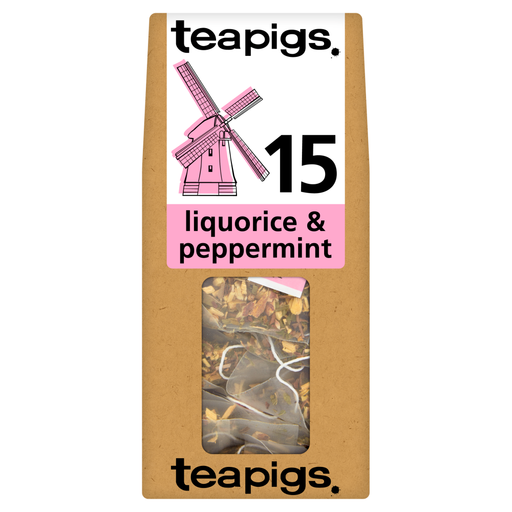 No image available
A liquorice-and-mint infusion for those who prefer that combination. Check the pack’s caffeine and brewed-drink information, and read its liquorice-related warnings if relevant to you.
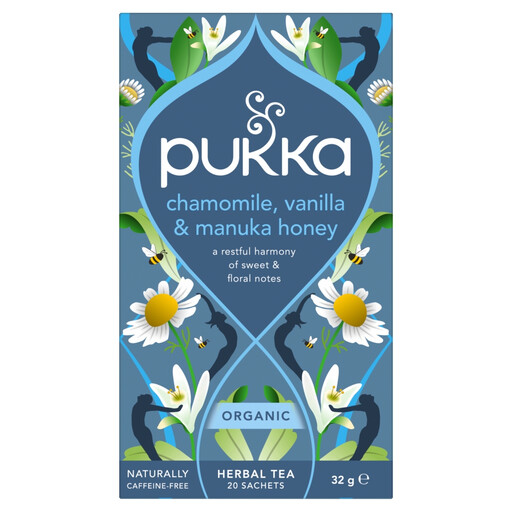 No image available
A chamomile-named blend rather than a plain chamomile infusion. The honey wording in its name does not establish the sugars in the prepared drink: check the nutrition information, full ingredients and warnings on the exact pack.
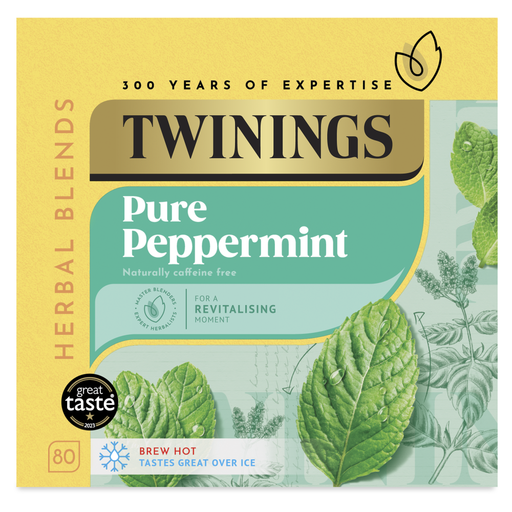 No image available
A peppermint option for shoppers who want a straightforward mint flavour. Confirm the caffeine wording, ingredients and prepared-drink nutrition on the pack.
 No image available
A lemon-and-ginger choice for those who prefer a flavoured infusion. Check the exact caffeine statement, brewed-drink nutrition and ingredient list rather than judging sugar content by the flavour name.
No image availableA soursop tea-bag option if you want to compare a different herbal flavour. Confirm its caffeine wording and ingredients; if you need a sugar figure for the brewed drink, check that the nutrition information applies to the prepared infusion.
No. Diabetes UK’s drink guidance includes unsweetened tea; it does not say everyone with diabetes must avoid caffeine. Choose a caffeine-free infusion or decaf tea if reducing caffeine is a separate consideration for you, and check what you add to the drink.
A herbal or fruit infusion is a different drink from decaffeinated conventional tea made from Camellia sinensis. If you prefer conventional tea flavour while monitoring caffeine, look for a decaf product; if you want an infusion, check its exact caffeine-free statement.
The flavour name cannot tell you. Check the exact product’s sugar-free wording or nutrition information for the brewed drink where available, and account for any sugar you add when preparing it.
No. Diabetes UK says herbal remedies should not replace a treatment plan. Do not select a tea on the expectation that its herbs will treat diabetes; discuss medicinal-style herbal products with your diabetes team.
Ask a pharmacist or clinician if you take medicines, have a relevant health condition or are considering a product marketed as a herbal remedy. Read the exact pack first so you can ask about its ingredients and warnings, including liquorice where present.