Hosts serving mixed caffeine preferences
Put a labelled caffeine-free infusion beside decaf black tea so friends can choose between different caffeine requirements and tea styles.


For guests who need to avoid caffeine, choose a herbal or fruit infusion labelled naturally caffeine-free and check its ingredients; the UK Tea & Infusions Association notes that some infusions contain caffeine-bearing ingredients. Offer decaffeinated black tea separately if someone wants a familiar breakfast-tea style but is reducing, rather than strictly avoiding, caffeine. Mint alongside a floral or fruit-and-spice infusion gives the table distinct flavour choices.
Put a labelled caffeine-free infusion beside decaf black tea so friends can choose between different caffeine requirements and tea styles.
Look beyond the word “herbal”: check the blend’s caffeine statement and ingredients. Decaffeinated black tea can retain traces of caffeine.
A mint infusion, floral chamomile and a fruit-and-spice blend offer recognisably different cups. Decaf black tea covers those who would rather have traditional tea.
Decide whether each guest needs to avoid caffeine or simply wants less of it. Then choose flavours and check the ingredients of the particular blends you plan to serve.
Choose when: A guest needs a caffeine-free option and the chosen herbal or fruit infusion is labelled accordingly.
Keep in mind: It will not taste like black tea, and the UK Tea & Infusions Association warns that some infusion ingredients contain caffeine.
Choose when: Someone wants a familiar black-tea cup while reducing caffeine.
Keep in mind: Twinings explains that decaffeination removes nearly all caffeine, not necessarily every trace.
| Priority | What to check | Your needs |
|---|---|---|
| Caffeine status | Read the specific pack’s caffeine statement and ingredient list. The UK Tea & Infusions Association identifies yerba mate, guarana and cola nut as ingredients that can contain caffeine; Twinings distinguishes decaf tea from naturally caffeine-free infusions. | I need to offer a drink for someone avoiding caffeine, not mistake a decaf black tea for the same option. |
| Flavour choice | Choose contrasting named flavours, such as peppermint, chamomile or apple and cinnamon. Keep decaf black tea as a separate traditional-tea choice if guests want one. | Friends can pick a fresh, floral, fruit-and-spice or familiar black-tea cup instead of sharing one blend. |
| Other ingredients | Check the purchased pack for botanicals and warnings, particularly in blends containing liquorice or marketed for bedtime. The British Heart Foundation says glycyrrhizin in liquorice can raise blood pressure. | If an ingredient matters to a guest, I want them to see what is in the blend and have a simpler alternative available. |
| Serving format | Check the number of bags or sachets against the number of guests, and follow the pack’s brewing directions. A loose infusion also needs measuring and straining. | There should be enough of each choice to serve the group without leaving anyone waiting for a strainer or a fresh brew. |
Twinings describes decaf tea as tea processed to remove nearly all caffeine. It is a different choice from an infusion labelled naturally caffeine-free when a guest needs strict avoidance.
Check the caffeine information on the particular pack, and offer a labelled caffeine-free infusion after reviewing its ingredients.
A caffeine-free blend may still contain an ingredient a guest wants to check. The British Heart Foundation says glycyrrhizin in liquorice can raise blood pressure; Clipper lists liquorice root in its Lemon & Ginger infusion.
Leave the ingredient list visible and offer another flavour, such as a plain peppermint option. Check the actual pack for individual warnings.
Pack formats differ: Clipper lists 20 bags for its Organic Peppermint infusion, while teapigs lists 15 tea temples for its peppermint tea. One pack of each will not make the same number of cups.
Count the guests and check the pack quantity before deciding how many flavours to put out.
These named ranges illustrate the caffeine and flavour choices; check the individual product rather than assuming every blend from a brand has the same ingredients.
Pukka offers named caffeine-free herbal choices for a floral cup or a fruit-and-spice alternative.
Twinings distinguishes fruit and herbal infusions from decaffeinated black tea, making the two routes easier to present separately.
Clipper’s Organic Peppermint is a straightforward mint infusion; its Lemon & Ginger is a different, multi-ingredient choice.
teapigs Peppermint is another named mint option for a brunch tray.
Yogi Tea’s Bedtime blend is a more specific botanical flavour choice than plain mint or chamomile.
These options include herbal infusions in different flavours and a decaffeinated black tea for guests who prefer a traditional cup. Check each purchased pack’s caffeine statement, ingredients and brewing directions against your guests’ needs.
 No image available
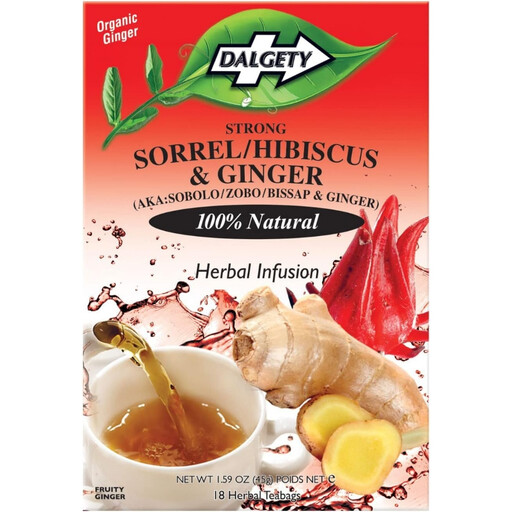
Consider this for a hibiscus-and-ginger flavour alongside mint or chamomile. This loose infusion needs measuring and straining; follow the pack directions when serving it hot or chilled.
 No image available
This flavoured chamomile option offers a floral alternative to mint. Check its ingredient list for liquorice root before serving it to someone with blood-pressure concerns, and follow any warnings on the pack.
 No image available
Peppermint gives guests a clearly named mint choice rather than a mixed-flavour blend. The 80-pack format may suit a larger gathering; check the purchased pack for caffeine information and brewing directions.
 No image available
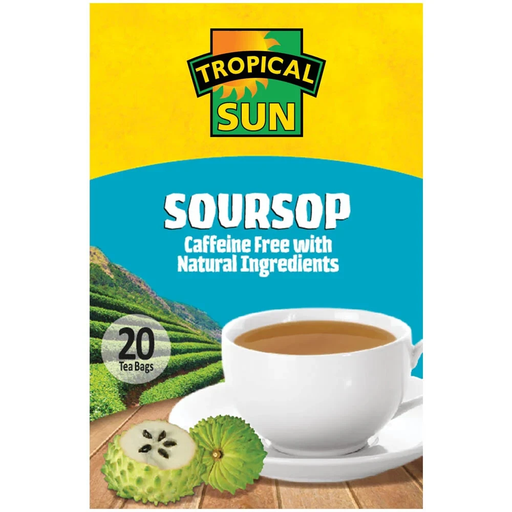
Soursop offers a different flavour from the mint and chamomile choices on the tray. If serving it chilled, use the directions on this pack rather than assuming every herbal tea can be steeped the same way.
 No image available
This decaf black tea is the traditional-tea option for guests reducing caffeine. It is not a substitute for a labelled caffeine-free infusion when someone needs strict avoidance; check the pack’s caffeine information.
No. Twinings explains that decaffeinated tea has been processed to remove nearly all its caffeine, so traces can remain. If a guest needs to avoid caffeine, choose an infusion explicitly labelled caffeine-free and check its ingredients.
No. The UK Tea & Infusions Association says many herbal and fruit infusions are naturally caffeine-free, but ingredients including yerba mate, guarana and cola nut can contain caffeine. Check the particular blend rather than relying on the word “herbal”.
Yes, provided you follow the particular product’s preparation directions. For a standard infusion, brew it as directed and cool it before serving over ice; only steep directly in cold water when the product gives cold-brew instructions.
Keep its ingredient list visible and offer another option. The British Heart Foundation says glycyrrhizin in liquorice can raise blood pressure, while Clipper lists liquorice root at 11% in its Lemon & Ginger infusion. Check the purchased pack for ingredients and warnings.
It can if guests want its particular flavour and ingredients, but check the label first. Yogi Tea’s Bedtime blend is labelled naturally caffeine-free and contains valerian root; a plainly named mint or chamomile option may be easier for a mixed group to choose.