
24/7 Customer Support

Free returns

Same-day & Next-day Delivery

Quality Guaranteed

Unlock Your Welcome Offers: FREE Delivery | Up to 80% OFF | Free 30-day JoyPlus trial
Download the APP
Navigating the world of herbal tea for wellness can feel overwhelming. Shelves are filled with boxes promising everything from better sleep to a faster metabolism. As a Joybuy Product Recommendation Officer, my role is to help you see past the marketing clutter and make choices that genuinely suit your lifestyle. Many shoppers find themselves disappointed by products that don't live up to their claims. Let's look at how to avoid common pitfalls.
The first trap is the allure of "miracle" teas. You've likely seen a so-called slimming tea that promises rapid results. Often, these blends rely on potent natural laxatives like senna, which are not intended for long-term use and don't contribute to sustainable health goals.
A second issue is misleading labelling. A tea might be marketed as a "natural wellness infusion," yet contain artificial flavourings or hidden caffeine. This can be particularly problematic if you're seeking a caffeine-free herbal tea to help you unwind in the evening or manage sensitivity. Always check the full ingredients list, not just the front of the box.
To ensure you're getting a quality product that aligns with your wellness aims, focus on a few key factors. These non-negotiable points will help you filter out low-quality options and find a brew you'll truly enjoy.
The foundation of any good herbal tea is its ingredients. Look for a simple, transparent list. Phrases like "100% natural" or "organic" are good indicators, but the specifics matter more.
Dalgety tea made from 100% soursop leaves offer a clean, focused experience. If you're exploring moringa tea benefits, starting with a pure moringa tea is a great way to understand its unique, earthy flavour.turmeric and ginger tea is a classic warming combination. A menopause tea might blend sage and lemon balm, while a metabolism support tea could feature green tea and peppermint. When considering a blend, check that the ingredients logically support the stated purpose.This seems obvious, but it's a frequent point of confusion. Understanding the difference between caffeine-free and decaffeinated is crucial.
tea for sleep.Japanese green tea bags and matcha.Where and how the ingredients are grown and processed affects the final quality. While not always stated, brands that provide this information, like Pukka organic tea, often demonstrate a higher commitment to quality. The form also matters. Loose-leaf tea is often higher quality, but tea bags offer convenience. High-quality tea bags will be made from unbleached paper or plant-based materials and will contain crushed leaves and botanicals, not just fine dust.
Instead of a generic list, we've matched some fitting options to different wellness priorities. This helps you find a tea that not only has the right ingredients but also suits your specific lifestyle.
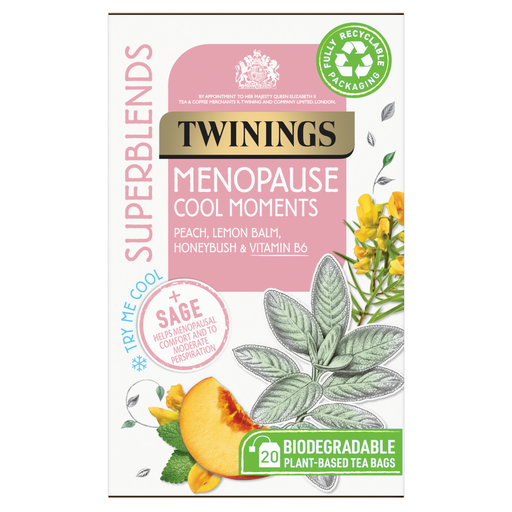
Why This Fits Their Persona: This user is looking for a targeted solution. This blend is specifically formulated with ingredients like sage, which contributes to menopausal comfort and Vitamin B6 for hormonal regulation, directly addressing a clear wellness need.
It avoids vague "miracle" claims by clearly stating its purpose and key ingredients. The inclusion of Vitamin B6 is a verifiable functional addition, not just marketing fluff.
A targeted blend with a pleasant peach and honeybush flavour. It is naturally caffeine-free, making it suitable for any time of day or night.
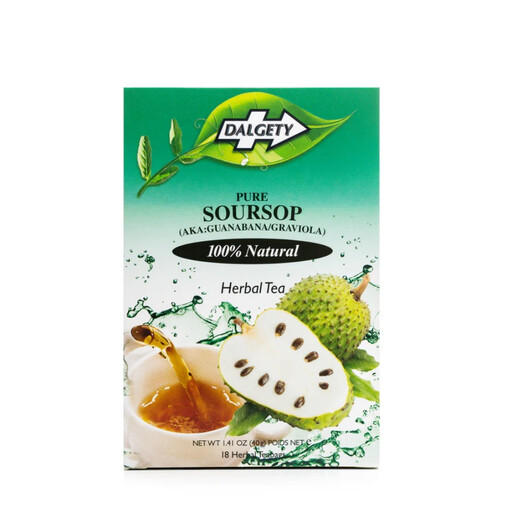
Why This Fits Their Persona: This consumer values authenticity and minimal processing. A tea made from 100% pure soursop leaves, a popular ingredient in Caribbean herbal tradition, is perfect for those seeking a specific, unadulterated `soursop tea in the UK`.
There are no hidden ingredients, flavourings or fillers. The ingredients list is simply "100% Pure and Natural Dried Soursop Leaves," offering complete transparency.
Offers a pure, single-ingredient experience with a mild, tropical floral flavour. It is naturally caffeine-free and free from any artificial additives.
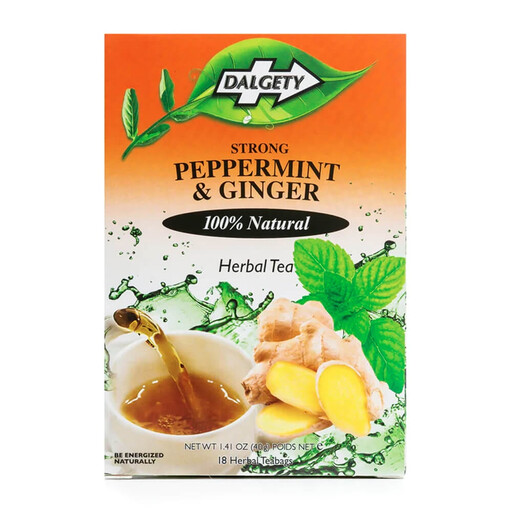
Why This Fits Their Persona: Someone new to functional teas will appreciate this classic, accessible blend. The combination of turmeric and ginger is well-known, flavourful and provides a comforting introduction to the world of wellness infusions.
This is a straightforward blend of two recognisable ingredients: turmeric and ginger. It makes no outlandish promises, instead offering a simple, warming and caffeine-free herbal tea.
A classic, aromatic and spicy-sweet flavour profile that is both invigorating and comforting. It is a simple, two-ingredient blend with no additives.
We have compiled a complete, real-time list of products that fully satisfy these strict selection criteria and UK safety regulations.
For most common herbal teas like peppermint, ginger and chamomile, daily consumption is generally fine for healthy adults as part of a balanced diet. However, for teas containing potent ingredients (like senna in some 'slimming' teas) or for functional blends designed for specific concerns (like menopause tea), it's wise to follow the package directions. If you are pregnant, nursing or have a pre-existing medical condition, it is always a good practice to consult your healthcare practitioner before adding a new herbal product to your routine.
Both come from the same plant, but they are processed very differently. Japanese green tea bags typically contain chopped or whole tea leaves that you infuse in hot water and then discard. You drink the water infused with the leaves' compounds. Matcha, on the other hand, is made from specially grown tea leaves that are stone-ground into a fine powder. You whisk the powder directly into water, consuming the entire leaf. This results in a more concentrated flavour and a different nutritional profile.
Herbal teas intended to promote relaxation, such as those containing chamomile or lavender, are not sedatives. Their effect is typically gentle and works by helping to create a calming pre-sleep ritual. The warm liquid, soothing aroma and properties of the herbs can help signal to your body that it's time to wind down. For many, drinking a cup 30-60 minutes before bed is an effective part of their evening routine, but effects can vary from person to person.