Shoppers avoiding caffeine
If you want a hot drink with breakfast without caffeine, look for an infusion explicitly labelled caffeine-free rather than relying on the word ‘tea’ alone.


Choose a mint infusion if you want a fresh contrast with a savoury full Scottish breakfast, or a ginger-led blend if you would rather have a spicy cup alongside it. Neither recreates the flavour of breakfast black tea. Check the exact ingredients before buying, particularly if the blend contains liquorice or you need to avoid a particular botanical.
The useful starting point is whether you want mint, ginger or another flavour in place of a conventional breakfast tea.
If you want a hot drink with breakfast without caffeine, look for an infusion explicitly labelled caffeine-free rather than relying on the word ‘tea’ alone.
Mint offers a fresh flavour contrast; ginger-led blends offer a spicier direction. Choose according to the cup you want with a substantial savoury meal, not an assumed pairing rule.
A short flavour name does not tell you everything in a blend. The ingredients panel matters if you avoid liquorice, fennel, flavourings or other botanicals.
Settle on a flavour direction, then check the caffeine statement and full recipe on the particular pack.
| Priority | What to check | Your needs |
|---|---|---|
| Flavour | Compare pure peppermint or multi-mint with ginger-led blends. For a mixed box, check which flavours it actually contains. | I want mint as a fresh contrast to breakfast, or ginger when I would prefer a spicy cup. If several people have different tastes, a selection box gives us more than one option. |
| Caffeine | Look for an explicit caffeine-free statement on the exact infusion. Check whether a tea blend also contains black or green tea. | Avoiding caffeine matters more to me than reproducing the flavour of breakfast black tea. |
| Ingredients | Read the complete ingredients panel, especially for liquorice, fennel and added flavourings. Do not assume similarly named lemon-and-ginger blends share a recipe. | I would rather choose by what is in the cup than by the flavour name on the front of the pack. |
| Pack format | Check the stated bag count or pack weight and follow the brewing directions for that product. | I may want several flavours to try, or a single blend I already know I will use. |
Recipes differ: Clipper lists liquorice root in its Organic Lemon & Ginger infusion, while Twinings lists a different combination of botanicals for its Lemon & Ginger blend.
Read the ingredients on the exact pack if a particular botanical or flavouring affects your choice.
Liquorice-containing products need particular consideration for some drinkers. Teapigs gives a hypertension-specific caution for its liquorice-and-peppermint tea; that caution applies to that product, not to every mint infusion.
Check the label before choosing a liquorice blend and seek appropriate professional advice if a health condition or medicine makes an ingredient uncertain for you.
A brand’s digestive wording does not establish that its tea treats a condition. The NHS advises that herbal products are not suitable for everybody.
Choose a breakfast infusion for its flavour and ingredients, not instead of medical advice or prescribed treatment.
These ranges illustrate different flavour and ingredient choices; a brand name alone does not establish the recipe of a particular pack.
Pukka offers mint and ginger-led infusions relevant to this breakfast choice.
Twinings has individual herbal flavours as well as a Fruit & Herbal Classic Collection.
Clipper’s herbal-infusion range includes peppermint and lemon-and-ginger options.
Teapigs offers a pure-peppermint option as well as blends with other ingredients.
These options cover mint-led and ginger-led drinks for a full Scottish breakfast. Compare the exact pack and ingredients if caffeine avoidance or a particular botanical matters to you.
 No image available
A peppermint option for a mint-led cup with breakfast. Check the pack for its full ingredients and brewing directions.
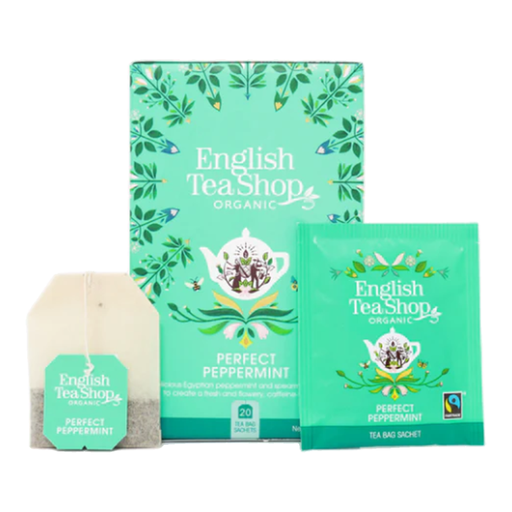 No image available
Another mint-led choice if you want a fresh-tasting drink alongside a savoury breakfast. Check the pack for the precise mint blend, bag count and brewing directions.
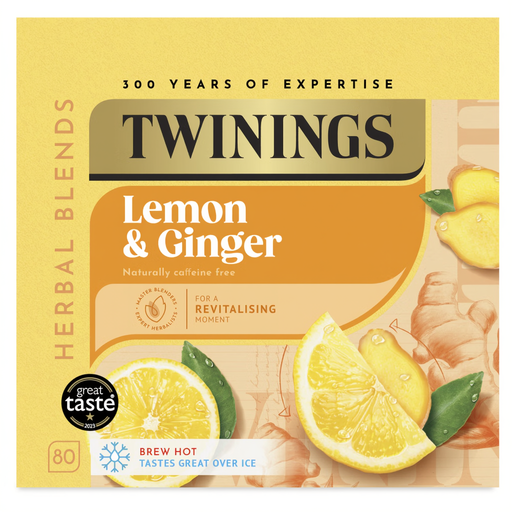 No image available
A ginger-and-citrus direction if you prefer that flavour to mint with breakfast. Read the ingredients on this pack rather than assuming it contains only lemon and ginger.
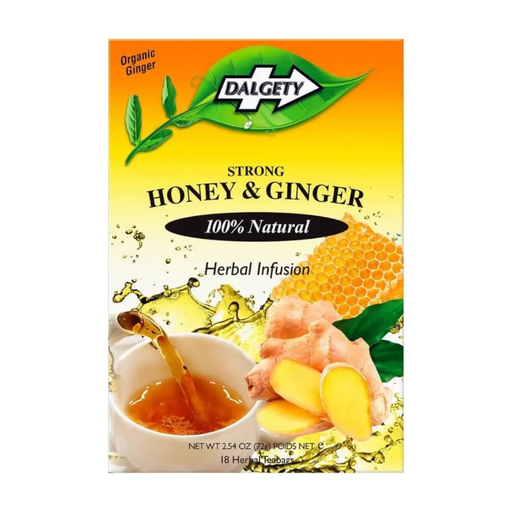 No image available
Consider this honey-and-ginger option if you want that flavour combination rather than a plain ginger blend. Check the full ingredients and follow the pack’s brewing directions.
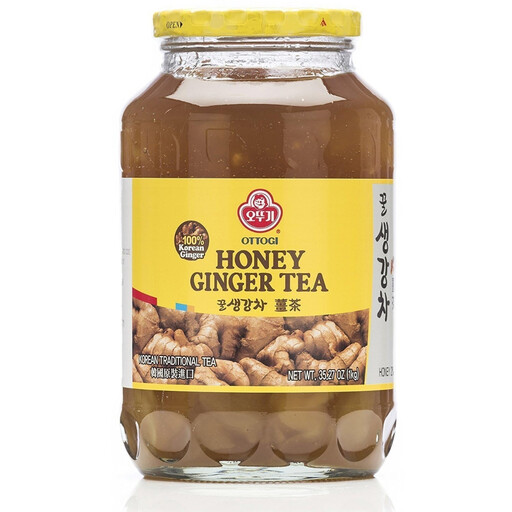 No image available
A ginger-flavoured option for a spicier cup with breakfast. If avoiding caffeine is essential, confirm the label before choosing it; check the preparation directions as well.
Start with peppermint if you want a straightforward mint flavour as a contrast to the savoury meal; choose a ginger-led blend if you prefer a spicy cup. This is a flavour choice, not a tested claim that either tea pairs better for everyone.
Not necessarily. Twinings and Clipper list different ingredients for their cited blends, and Clipper’s Organic Lemon & Ginger includes 11% liquorice root. Read the ingredients on the exact pack.
No. Treat digestion-related wording from a tea brand as a brand claim, not medical advice. The NHS advises that herbal products are not suitable for everybody, particularly where medicines or certain health circumstances are involved.
Check the particular product and whether it suits your circumstances. Teapigs advises people with hypertension to limit its liquorice-and-peppermint tea to one cup a day; that is a product-specific caution, not a rule for every herbal tea. Seek appropriate professional advice if you are unsure about an ingredient.
Follow the directions for your chosen pack. Teapigs recommends boiling water and at least three minutes for its cited peppermint tea; brewing instructions for another infusion may differ.