Hosts setting up a self-service drinks station
If guests will choose tea without help, keep each variety identifiable and its preparation instructions within reach. Original packs avoid the extra labelling involved in decanting.


For a holiday-cottage tea station, keep a small selection of clearly identified herbal infusions in their original packs or protected sachets when guests need to see ingredients and brewing directions easily. A dedicated jar can work for one tea at a time if it stays clean and dry, is labelled with the product and its relevant details, and does not separate guests from the original ingredient information. Check caffeine statements and less familiar ingredients on each blend rather than treating all herbal teas alike.
If guests will choose tea without help, keep each variety identifiable and its preparation instructions within reach. Original packs avoid the extra labelling involved in decanting.
Look for a caffeine statement on the exact herbal or fruit infusion. A brand may also sell teas with green or black tea leaves, so its name alone does not settle the question.
Keep the original ingredient information available, especially for mixed selections and jars. Blends can contain less obvious ingredients, including liquorice root or barley grass.
Decide how guests will identify the tea before choosing a container; then check each product’s ingredients, caffeine statement and brewing directions.
Choose when: Different short-stay guests need to recognise each tea and consult its original information.
Trade-off: Packs may take more space than a decanted display, but the manufacturer’s identification and directions stay with the tea.
Choose when: You can keep a single dry product in a clean container and maintain an accurate label.
Trade-off: Decanting makes you responsible for keeping the product, ingredient and date information accessible.
| Priority | What to check | Your needs |
|---|---|---|
| Tea identification | Keep the exact product name and its original ingredient information with the tea. If decanting, use one product per clearly labelled jar. | I want guests to know which blend they have picked without guessing from the colour or smell of a tea bag. |
| Caffeine status | Read the statement on the exact pack; do not apply a brand-wide description to every blend. Check whether the selection also includes green or black tea. | An evening option matters to me, so I would look for an infusion explicitly labelled caffeine-free. |
| Ingredients | Check each blend’s ingredient list and retain relevant allergen information. Give particular attention to mixed assortments and liquorice-containing products. | Guests should be able to check what is in their chosen tea, even when several flavours share a tray. |
| Storage | Keep opened tea dry and identifiable. For a jar, check its suitability for the intended use, keep it clean and dry, and retain the original pack details. | Between bookings, I need a tea station that is straightforward to maintain without mixing old and new blends. |
| Preparation | Keep the product’s brewing directions available. Check the pack if individual bag wrapping or a particular brew time matters to your setup. | I want short-stay guests to make a cup without needing instructions from the host. |
Once the pack is out of sight, guests may lose the tea’s identity, ingredients and date information.
Use one jar per product. Label it with the exact tea name, relevant allergen information, transfer date and best-before date, and retain the original pack.
Ranges can sit alongside products containing green or black tea, while caffeine statements apply to the named product.
Check the exact pack before presenting a blend as a caffeine-free option.
Teapigs includes a precaution for people with hypertension on its liquorice-and-peppermint product. An unidentified blend makes that information harder for guests to see.
Keep the product information with the blend and offer a clearly identified liquorice-free choice alongside it.
Mixing batches makes it harder to identify the contents and follow the product’s date information.
Empty, clean and thoroughly dry the container before refilling it with one identified tea.
These brands illustrate different infusion and packaging choices; check the exact product rather than assuming every tea in a range has the same ingredients or format.
Pukka offers herbal blends across several flavour styles, including mint, ginger and chamomile.
Twinings has fruit-and-herbal infusions for hosts considering several familiar flavour choices.
Clipper’s herbal-infusion range includes chamomile, peppermint and lemon-and-ginger choices.
Teapigs offers herbal infusions in tea temples, including a pure peppermint product.
Yogi Tea offers multi-botanical infusions as an alternative to single-herb flavours.
These options include named tea bags for a cottage drinks station and a canister for hosts considering separate, labelled storage. A canister does not replace the tea’s original ingredient information.
 No image available
A named lemon-and-ginger choice gives guests a flavour to identify. The pack contains 20 tea bags; keep its ingredient and preparation information available, and check the pack if individual wrapping matters to your tea station.
 No image available
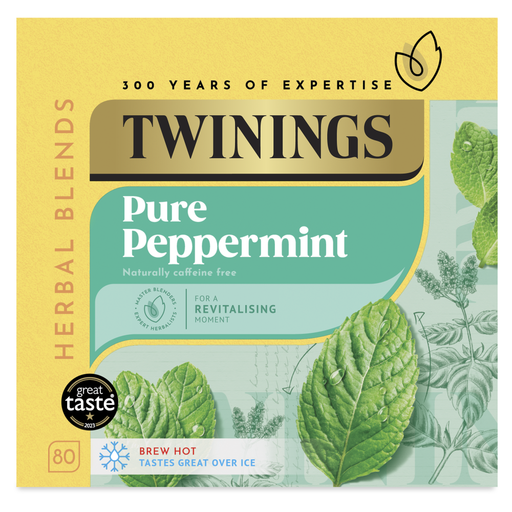
This peppermint-labelled 80-pack suits a station that stocks a larger quantity of one named flavour. Check the pack for brewing directions and individual wrapping if guests will select bags without the carton nearby.
 No image available
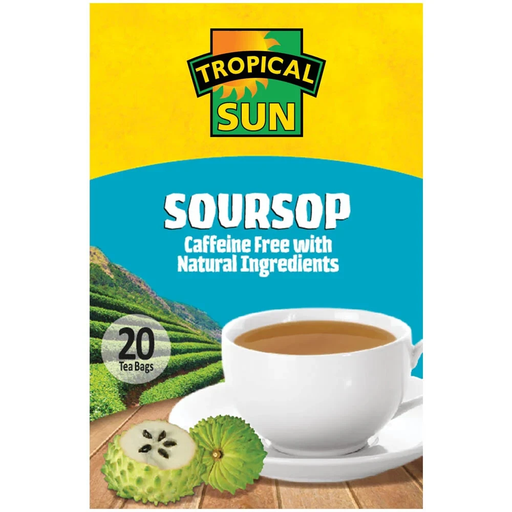
Soursop offers a distinct named tea for a varied guest selection. This pack contains 20 tea bags; keep its ingredient and brewing information accessible, and check whether the bags are individually wrapped before relying on that format.
 No image available
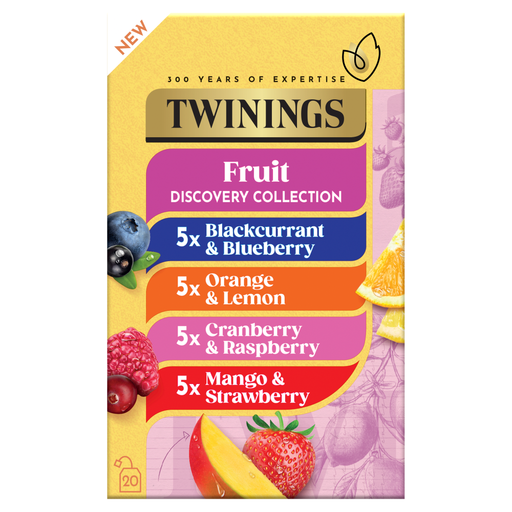
A fruit selection offers a change from stocking only one named flavour. The pack is marked as 20 tea bags and 40g; keep each blend identifiable and its own ingredients available to guests.
 No image available
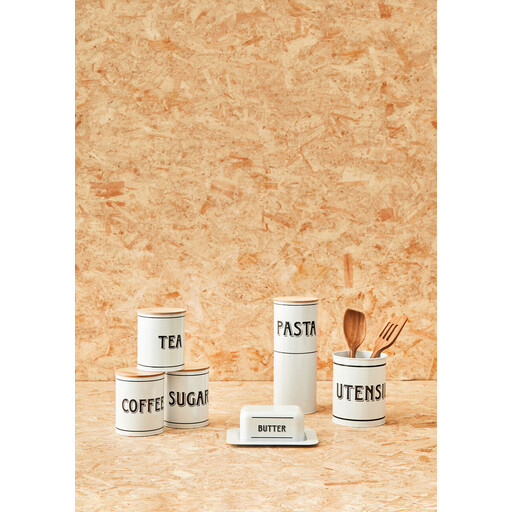
This tea canister is an option for a host planning a dedicated, labelled container rather than leaving tea in its carton. Check its capacity and suitability for the intended food-storage use before buying; retain the tea’s original pack details and use the container for one identified product at a time.
Use a jar for one identified tea only if you can keep the container clean and dry and maintain an accurate label. Include the product name, relevant allergen information, transfer date and best-before date, and retain the original pack. Otherwise, the carton or protected sachets keep more of the information beside the tea.
Do not assume so from the brand or shelf category. Pukka describes many of its herbal teas as naturally caffeine-free, while brands may also sell green-tea blends; check the caffeine statement and ingredients on the exact product you plan to offer.
Keep the exact tea name, original ingredients, relevant allergen information and date details available, rather than leaving unidentified bags in a jar. For operators that are food businesses, Food Standards Agency guidance and Food Standards Scotland guidance set out allergen-information obligations for food and drink; a host unsure how their arrangement is classified should check with the relevant local authority.
Offer a clearly identified alternative without liquorice. Teapigs includes a precaution for people with hypertension on its liquorice-and-peppermint product, so keep that blend’s original information accessible rather than presenting it as an unidentified all-purpose choice.