For a drink after a late-night supper, choose an infusion explicitly labelled caffeine-free, then decide whether you prefer plain camomile, fruit, spice or a more complex botanical blend. NHS Borders advises avoiding caffeine close to bed; a tea labelled for sleep is still a drink, not a treatment, and its full ingredient list matters if particular botanicals may be unsuitable for you.
Who is choosing an evening infusion?
People avoiding caffeine late in the day
If you usually have tea or coffee after supper, an explicitly caffeine-free infusion offers a different hot drink. NHS Borders advises avoiding caffeinated drinks close to bed because caffeine can make people feel more awake and disrupt sleep.
People choosing mainly by flavour
Plain camomile, spiced blends and apple-and-floral infusions offer different ingredient profiles. The useful choice is the flavour you want to drink, rather than the blend with the strongest bedtime wording.
People checking individual botanicals
Multi-herb blends can contain ingredients such as valerian, passionflower or lavender. Read the full label, particularly if you take medicines or have circumstances in which herbal products warrant professional advice.
What should you check before choosing?
Start with the caffeine statement on the exact product, then narrow the choice by flavour and ingredients.
| Priority | What to check | Your needs |
|---|
| Caffeine |
Look for an explicit caffeine-free statement on the current pack or product page. Do not rely on words such as “night” or “wellbeing” alone. |
I want a hot drink without adding caffeine close to bedtime. NHS Borders advises avoiding caffeinated drinks near bed because they can make people feel more awake and disrupt sleep. |
| Flavour |
Compare the named ingredients: plain camomile differs from blends with apple, lavender, citrus notes or spice. Check whether flavourings are listed if they matter to you. |
After supper, I might prefer a simple floral cup, or I might enjoy fruit or spice. Bedtime branding does not tell me which flavour I will like. |
| Ingredients |
Read the full current ingredient and allergen label, especially for blends with several botanicals. If medicines, pregnancy, breastfeeding, or kidney or liver problems are relevant, ask a suitable healthcare professional about herbal-product use. |
A short ingredient list makes it easier for me to identify what is in the cup. For a multi-herb blend, I need to check each ingredient rather than assume that “herbal” means suitable for everyone. |
What can make the choice harder?
-
Assuming an evening-themed tea is caffeine-free
A name describing a mood or occasion is not a caffeine statement. NHS Borders advises avoiding caffeine close to bed because it can interfere with sleep.
Check the caffeine wording on the exact product and its current pack before choosing it as your after-supper drink.
-
Reading “sleep” as a treatment promise
A bedtime label describes how a blend is positioned, not proof that the drink treats insomnia. The NHS cautions that herbal medicines and complementary therapies are not assessed for effectiveness in the same way as standard medicines.
Choose tea for its caffeine status, flavour and suitable ingredients. Seek medical advice about persistent or concerning sleep problems rather than relying on a drink to treat them.
-
Overlooking ingredients in a multi-herb blend
Blends can contain several distinct botanicals, including valerian or passionflower. An appealing flavour description cannot establish whether every ingredient is appropriate for an individual.
Read the physical pack’s current ingredient and allergen information. If you are pregnant or breastfeeding, take medicines, or have kidney or liver problems, seek professional advice where herbal-product use is relevant.
Brand and blend references
These examples show how evening infusions differ in flavour and ingredients; a brand’s inclusion here does not mean every one of its teas has the same profile.
Pukka
Pukka describes Night Time as a floral bedtime blend with camomile, lavender, limeflower, oatflower and valerian.
- Its named botanicals help shoppers distinguish it from plain camomile.
- Check the complete current label if you are screening individual ingredients; its bedtime name is not evidence of a treatment effect.
Twinings
Twinings labels both Moment of Calm and Superblends Sleep naturally caffeine-free, giving shoppers different evening-blend options.
- The caffeine statement can be checked for each named blend.
- Check the ingredients of the particular blend rather than assuming the two have the same flavour or botanicals.
Clipper
Clipper Organic Sleep Time lists camomile (32%), lemon balm (15%) and lavender (11%). Clipper describes its herbal-infusion range as caffeine-free.
- The stated proportions help identify its floral, multi-herb character.
- It has more ingredients to check than a plain camomile infusion.
Yogi Tea
Yogi Tea labels Bedtime a naturally caffeine-free herbal tea sold in a 17-teabag pack.
- Its stated caffeine status addresses a central late-evening check.
- Read the full current ingredient list before choosing a multi-botanical bedtime blend.
Teapigs
Teapigs Sleepy Apple lists apple pieces, camomile flowers and lavender flowers.
- The named ingredients distinguish its fruit-and-floral profile from plain camomile.
- Apple and lavender may not appeal if you want an unflavoured camomile cup.
Tesco
Tesco describes its Camomile Infusion as naturally caffeine-free; its Relax Camomile & Passionflower is a different, blended option.
- The two products let shoppers distinguish a simple camomile choice from a passionflower blend.
- Check the current pack for ingredients and allergens rather than applying one product’s details to the other.
Herbal tea options on Joybuy
These options include a variety collection, single-herb infusions and flavoured tea-bag blends for an after-supper cup. Check the exact pack’s caffeine statement and ingredients against your needs before choosing.
 No image available
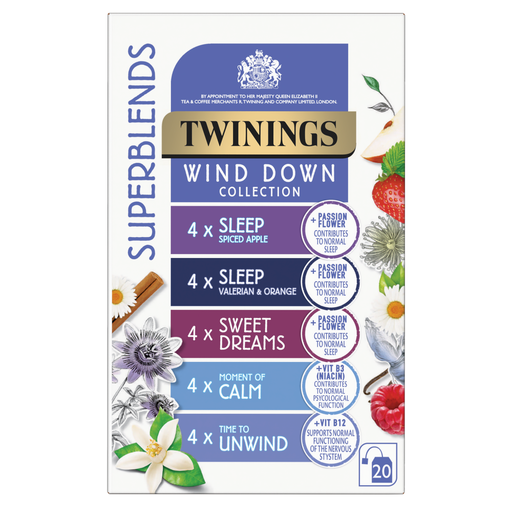
Twinings Superblends Wind Down Collection, 20 tea bags, 33.2g
Consider this collection if you would like to choose between evening blends. Check the pack for the assortment, the number of bags of each blend, caffeine wording and individual ingredients.
 No image available
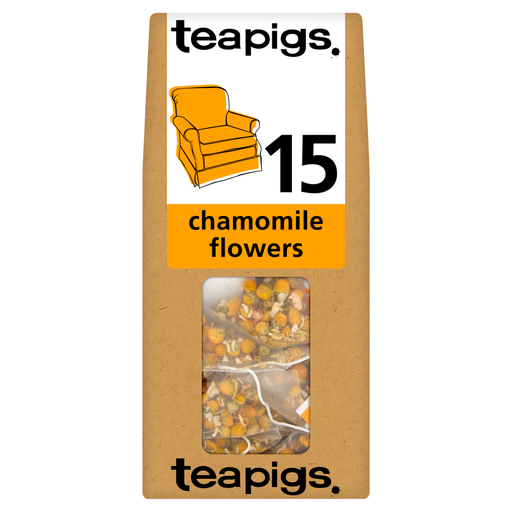
Teapigs Chamomile Flowers, 15 tea bags, 180g
A camomile option for someone seeking a floral cup rather than a fruit- or spice-led blend. Confirm the current ingredients, caffeine statement and brewing directions on the pack.
 No image available
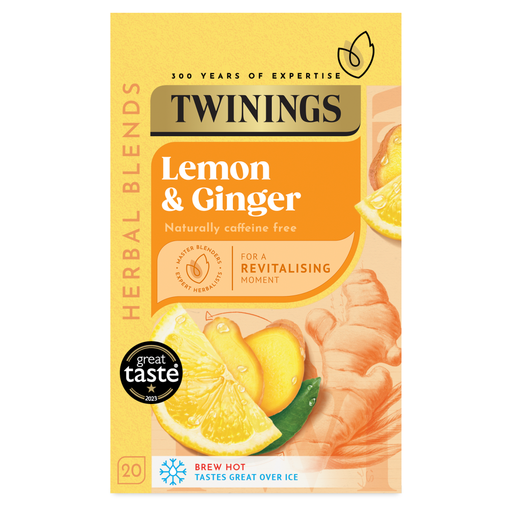
Twinings Lemon & Ginger, 20 tea bags
Consider the lemon-and-ginger flavour if you would rather have citrus and spice than camomile after supper. Check the exact pack’s caffeine statement, ingredients and brewing method.
 No image available
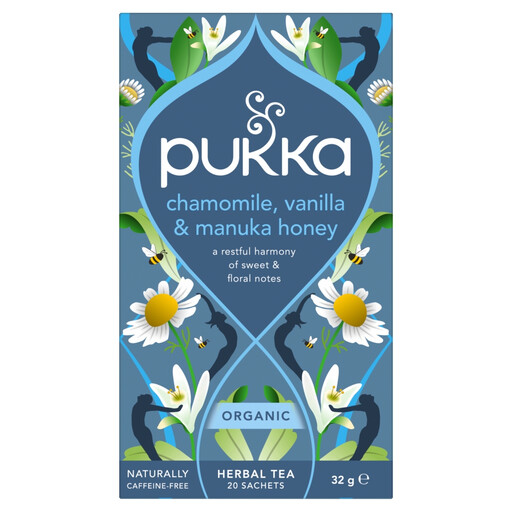
Pukka Chamomile Vanilla & Manuka Honey, 20 sachets, 32g
This is a camomile-named option with vanilla and Manuka honey in its variant name, rather than a plain camomile choice. Check the full current ingredients, caffeine wording and brewing directions if those distinctions matter to you.
 No image available
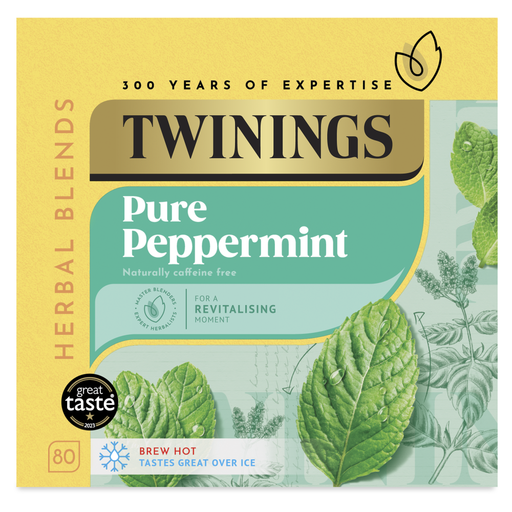
Twinings Pure Peppermint, 80-pack
A mint-flavoured alternative if you do not want a floral or fruit-led cup after supper. Check the pack’s caffeine statement, ingredients and steeping instructions before use.
Questions about late-night herbal tea
Is every tea suitable when I want to avoid caffeine at night?
No: check that the exact drink is explicitly labelled caffeine-free. NHS Borders advises avoiding caffeinated drinks close to bed because they can make people feel more awake and disrupt sleep; an evening-themed name alone does not establish caffeine status.
Should I choose a valerian or passionflower blend over plain camomile?
Choose by the flavour and ingredients you want, not by assuming that a more complex blend works better. Plain camomile offers a simpler profile, while blends listing valerian or passionflower call for a closer check of the full label and individual suitability.
Can a night-time herbal tea treat insomnia?
Do not use a night-time tea as a treatment for insomnia. A caffeine-free cup can be part of a personal evening routine, but persistent or concerning sleep problems warrant medical advice rather than a claim based on the drink’s name.
When should I ask about the ingredients in a multi-herb tea?
Ask a clinician or pharmacist if pregnancy, breastfeeding, medicines, or kidney or liver problems make herbal-product use a concern. The NHS identifies these as circumstances requiring caution with herbal medicines; read the tea’s current ingredient label so you can ask about the particular botanicals involved.


