Who is the tea for?
The recipient’s known preferences matter more than the occasion printed on a box.
Someone whose favourite flavour is a mystery
A selection with separate blends lets her try different profiles without committing to a full pack of mint, fruit or spice. Pukka, Twinings and Clipper each describe selection formats, but their contents differ, so read the varieties before choosing.
Someone avoiding caffeine
Check each variety in a mixed pack. Twinings distinguishes naturally caffeine-free fruit and herbal infusions from blends containing mate or guarana and from decaffeinated tea, which can retain traces of caffeine.
Someone who needs to check ingredients
Pregnancy, allergies, hypertension or medicines can make the exact blend and its warnings important. A herbal label alone cannot establish individual suitability; make the full ingredients and on-pack advice available to the recipient.
What should you check?
Choose the flavour format first, then check every included blend for caffeine and ingredients.
| Priority |
What to check |
Your needs |
| Flavour variety |
Read the list of distinct blends, not just the total sachet count. Look for profiles she might enjoy, such as floral, mint, fruit or ginger and spice. |
Her tastes are unknown, so I would rather give her several clearly named flavours than a full pack of one strong blend. |
| Gift format |
Check whether the varieties come in separate envelopes or sachets and whether the container is part of the gift. Pukka describes 45 sachets across nine blends in its Herbal Tea Selection; Twinings describes 30 envelopes in its filled jar. |
I want a selection she can explore over time, or a reusable container if she would appreciate one. |
| Caffeine |
Check the status of every variety. Twinings notes that mate and guarana can make an otherwise herbal or fruit-led blend caffeinated; decaffeinated tea is not the same as a naturally caffeine-free infusion. |
For someone avoiding caffeine, I need to know what is in the whole selection, not just what the front of the box suggests. |
| Ingredients |
Read each ingredient list and warning, especially for liquorice and any known allergens. A mixed box can contain quite different botanicals from one blend to the next. |
She may need to avoid an ingredient, so I want the exact pack information available before she drinks it. |
| Product claims |
Use flavour descriptions and ingredient lists to choose. A name referring to sleep, digestion or detox is not proof of a health effect. |
I am choosing a tea she might enjoy, not a treatment based on its name. |
Brand ranges to consider
These ranges offer different ways to choose a flavour or assemble a gift; check the contents of the particular product you are buying.
Pukka
Pukka Herbs UK presents its Herbal Tea Selection as a gift containing 45 sachets across nine blends.
- A multi-blend format gives a recipient several flavours to try.
- Check each included blend’s ingredients and warnings for the recipient.
Twinings
Twinings offers fruit and herbal infusions as well as a filled jar of 30 envelopes that it says can be refilled.
- A jar may suit someone who would use the container after the initial selection.
- Twinings says jar contents can vary and may include decaffeinated tea; confirm the current varieties if trace caffeine matters.
Clipper
Clipper lists organic herbal infusions including chamomile, peppermint and lemon and ginger, alongside an Organic Selection Box.
- The individual infusion range offers recognisable flavour directions.
- Clipper lists Green Tea & Lemon in its selection box, so that box is not an all-herbal choice.
Yogi Tea
Yogi Tea lists botanicals and spices such as ginger, cinnamon, fennel, chamomile and liquorice across its blends.
- Its ingredient-led range offers options for someone who already enjoys pronounced spice flavours.
- Review the exact blend: a Yogi Tea product listed by Holland & Barrett carries a liquorice warning for people with hypertension.
Teapigs
Teapigs lists separate herbal flavours including peppermint, rooibos, fruit, chamomile, and lemon and ginger.
- Separate flavour choices can help when you already know what the recipient likes.
- Personalising a selection still requires checking the ingredients of every chosen blend.
Herbal tea options on Joybuy
These options include mixed infusion packs for someone who likes variety and single blends for someone with a known flavour preference. Check the current pack before choosing for caffeine avoidance or ingredient sensitivities.
 No image available
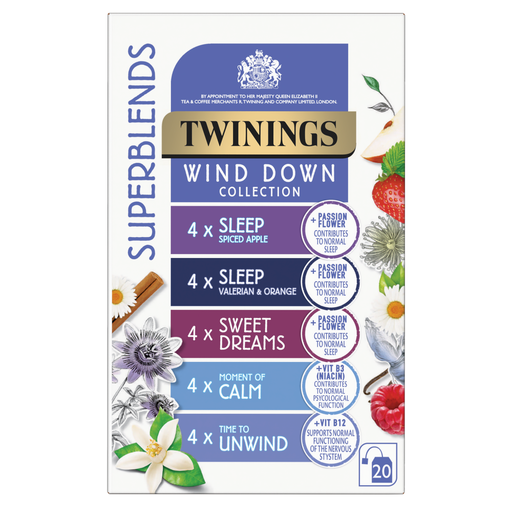
Twinings Superblends Wind Down Collection, 20 Tea Bags, 33.2g
A mixed collection to consider when she enjoys trying different infusions. Check the current pack’s caffeine statement and the ingredients of each blend, including liquorice root and valerian, against her needs.
View on Joybuy
 No image available
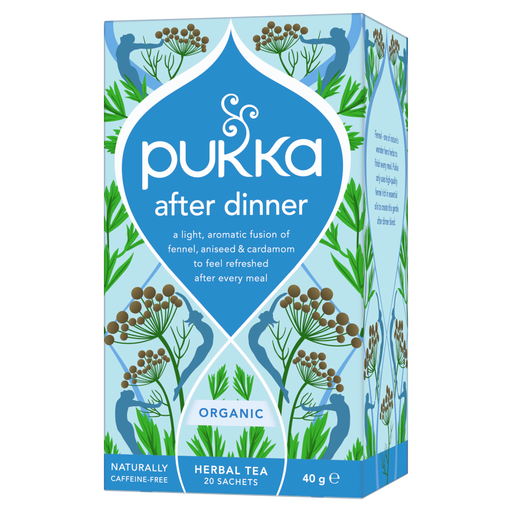
Pukka Feel New Organic, 20 Sachets, 40g
A single blend to consider if she likes citrus, mint and warming spice rather than a tasting assortment. Check the pack’s ingredients and allergy information, including the stated celery trace warning.
View on Joybuy
 No image available
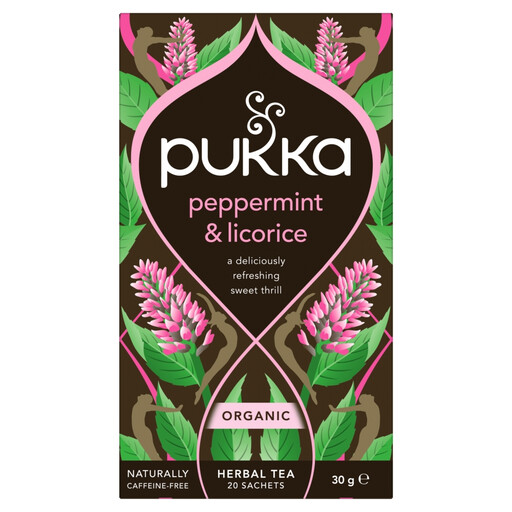
Pukka Peppermint & Liquorice Organic Herbal Tea, 20 Sachets, 30g
This single blend suits a recipient who already likes both peppermint and liquorice. Its product information warns about excessive consumption for people with high blood pressure and advises seeking professional advice during pregnancy; read the current pack before gifting.
View on Joybuy
 No image available
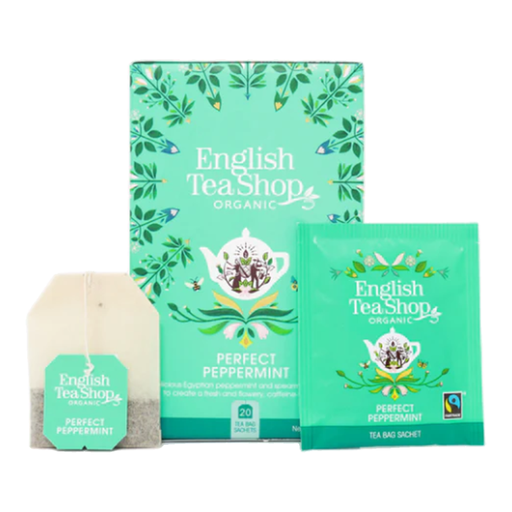
English Tea Shop Organic Perfect Peppermint, 20g
A single mint blend for someone whose preference for peppermint and spearmint is already known. Check the current pack for its tea-bag count if the number of servings affects your gift choice.
View on Joybuy
 No image available
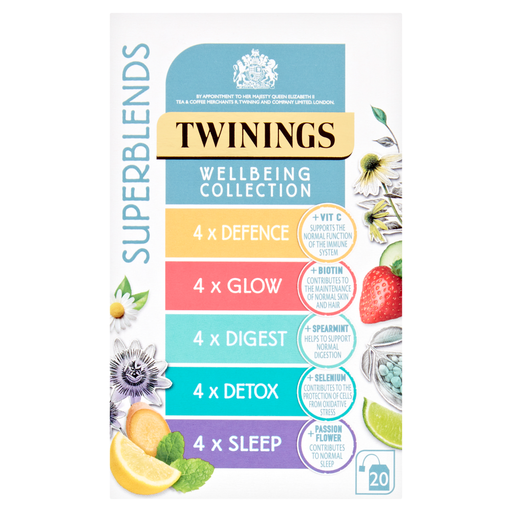
Twinings Superblends Wellbeing Collection, 20 Tea Bags, 37g
A mixed collection for someone who enjoys trying several flavours. Green tea appears in the listed ingredients, so check the exact varieties and their caffeine status before choosing it for someone avoiding caffeine.
View on Joybuy
Frequently asked questions
What can I choose if I do not know her favourite herbal tea?
Choose a clearly labelled multi-blend selection so she can try more than one flavour. Pukka Herbs UK describes a Herbal Tea Selection with 45 sachets across nine blends; whatever selection you choose, check every included variety for ingredients and caffeine status.
Are all herbal teas caffeine-free?
No. Twinings says that while most fruit and herbal infusions are naturally caffeine-free, blends containing mate or guarana can contain caffeine. Decaffeinated tea can also retain traces, so check the exact contents of a mixed gift.
What should I check before giving herbal tea to someone who is pregnant?
Check every blend’s ingredients rather than assuming that “herbal” means suitable during pregnancy. The NHS advises avoiding teas containing liquorice root and drinking no more than four cups of herbal tea a day during pregnancy because research on their effects is limited; the recipient can seek advice from her maternity clinician about her circumstances.
Why does liquorice need a closer look?
Some blends contain liquorice root, and warnings depend on the particular product. For example, Holland & Barrett lists a Yogi Tea blend whose label advises people with hypertension to avoid excessive consumption. Read the ingredients and warnings on the tea you intend to give.
Does a name such as “detox” or “sleep” show that a tea works?
No. A product name is not evidence that a tea treats a condition or produces a particular health effect. UK ASA/CAP guidance says detox claims relating to foods are likely to be health claims; choose a gift by its flavour, caffeine status and ingredients instead.


