For an everyday hot drink, choose a herbal infusion by its flavour, full ingredient list and stated caffeine status, rather than a sleep or wellbeing claim. If you are breastfeeding or taking medicines, a caffeine-free label does not establish that a blend is suitable for you: NHS guidance calls for caution with herbal remedies, so ask a pharmacist, midwife, health visitor or GP about the exact ingredients before making one a regular drink.
Who needs to check what?
The reason for choosing a herbal tea changes which label details matter most.
Parents who are breastfeeding
Check caffeine across your drinks and foods, and read every herb in the exact blend. NHS guidance says there is not enough known about herbal remedies to guarantee their safety while breastfeeding; a caffeine-free claim does not answer that separate question.
Parents choosing an evening drink
If you want a particular flavour or a simple drink routine, compare the ingredients and stated caffeine status. A single-herb infusion can make the ingredient check more straightforward, but that does not establish personal suitability.
Parents concerned about mood or sleep
Choose tea as a drink, not as a way to manage persistent symptoms. The NHS advises speaking to a GP, midwife or health visitor if you think you may have postnatal depression.
What matters when choosing a blend?
Start with caffeine and the full ingredient list, then decide whether the flavour and format suit the time you expect to drink it.
| Priority | What to check | Your needs |
|---|
| Caffeine |
Check the exact product’s caffeine statement and whether its ingredients include tea leaves. If breastfeeding, account for caffeine from other drinks and foods too; the NHS advises trying not to exceed 300mg a day. |
I want an evening cup without unintentionally adding caffeine to my daily intake. |
| Ingredients |
Read every named botanical, especially in a multi-herb blend. If breastfeeding or taking medicines, ask a pharmacist, midwife, health visitor or GP about the exact product; NHS guidance does not establish herbal remedies as safe during breastfeeding. |
A short list is easier for me to check, but I do not want to mistake it for a personal safety assurance. |
| Evening routine |
Compare flavour, pack format and preparation directions. Treat night-time or relaxation wording as a description of the blend’s positioning, not evidence that it treats a symptom. |
I am choosing a drink I will enjoy, not relying on tea for a sleep or mood problem. |
| Pack format |
Check the number of bags or the stated pack weight, then follow the preparation directions on that particular pack. |
A pack that fits how often I make tea is more useful to me than an unfamiliar blend chosen by its name alone. |
Mistakes to avoid
-
Assuming ‘herbal’ means suitable while breastfeeding
The NHS says there is not enough known about herbal remedies to guarantee their safety during breastfeeding. Caffeine status and herbal suitability are different checks.
Read the exact pack’s ingredients and ask a pharmacist, midwife, health visitor or GP for advice before making a blend a regular drink, particularly if you also take medicines.
-
Choosing by a sleep or digestion claim
A night-time blend may contain several botanicals. Its name or a brand’s benefit wording does not establish that it treats a health concern.
Choose by flavour, declared ingredients and caffeine status instead, and seek appropriate healthcare advice about symptoms.
-
Using tea instead of seeking help for persistent low mood
A drink routine cannot take the place of support for a postnatal mental-health concern.
If you think you may have postnatal depression, speak to a GP, midwife or health visitor, as the NHS advises.
Brand and retailer references
These examples illustrate different ingredient lists; a brand’s presence here does not establish that every product in its range has the same contents.
Clipper
Clipper lists its Organic Chamomile Infusion as chamomile (100%) and naturally caffeine-free.
- One named botanical makes the ingredient list straightforward to read.
- A simple ingredient list does not establish suitability while breastfeeding or when taking medicines.
Twinings
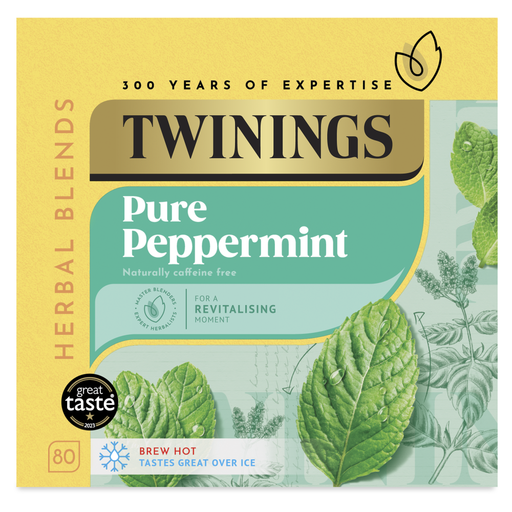
Twinings lists Organic Pure Peppermint as a pure peppermint infusion that is naturally caffeine-free.
- Its named ingredient and caffeine statement make this particular product easy to compare by label.
- Those statements do not establish whether it is personally suitable during breastfeeding.
Teapigs
Teapigs lists its Peppermint Tea as pure peppermint leaves and naturally caffeine-free.
- The single-herb description helps identify what is in this product.
- Do not use benefit wording about peppermint as a reason to treat a symptom with tea.
Pukka
Pukka Night Time combines chamomile, lavender, limeflower, valerian, oatflower and tulsi.
- Its named botanicals let you assess the blend rather than relying on the night-time name.
- The longer ingredient list needs individual scrutiny; the product name does not establish a sleep benefit or breastfeeding suitability.
Tesco
Tesco Groceries lists night-time herbal teas from brands including Pukka, Teapigs and Twinings.
- Its category listing offers a way to compare stated product names and pack formats.
- Compare the ingredients of the individual product, not just its category or retailer listing.
Joybuy herbal tea options
These tea-bag options cover soursop, mint, chamomile and lemon-and-ginger flavours for an everyday drink. Compare the exact pack’s ingredients and caffeine statement, particularly if you are breastfeeding or take medicines.
 No image available
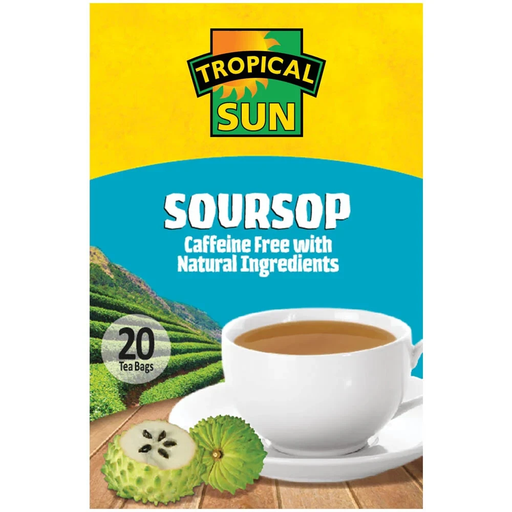
Tropical Sun Soursop Tea, 20 tea bags
A 20-bag soursop option if that is the flavour you want to try. Check the pack’s full ingredients and caffeine statement; if you are breastfeeding or take medicines, ask a healthcare professional about the exact tea before regular use.
 No image available
Twinings Lemon & Ginger Tea Bags, 20 pack
A 20-bag lemon-and-ginger choice for a different flavour. Check the complete ingredient list and caffeine statement on this pack rather than assuming they match another Twinings infusion; seek individual advice about herbal ingredients if breastfeeding or taking medicines.
 No image available
Twinings Pure Peppermint, 80 pack
The 80-pack may suit someone who regularly chooses a peppermint-flavoured drink. Check this pack’s ingredient, caffeine and brewing directions rather than applying details from a different pack size; ask for individual advice about herbal use if breastfeeding or taking medicines.
 No image available
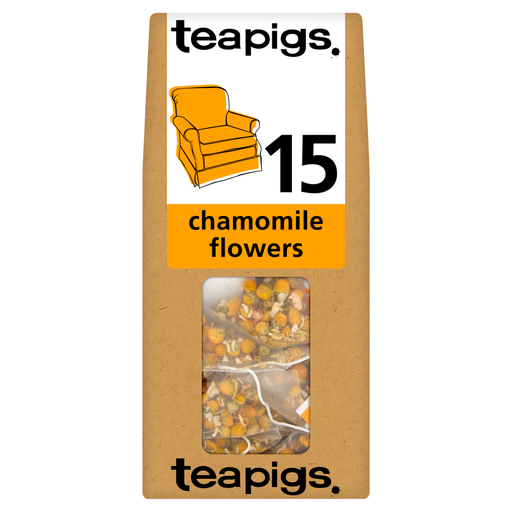
Teapigs Chamomile Flowers, 15 tea bags, 180g
A chamomile-flavoured, 15-bag option for an evening cup. Check this pack’s ingredients, caffeine statement and brewing directions; chamomile in the name does not establish personal suitability during breastfeeding or alongside medicines.
 No image available
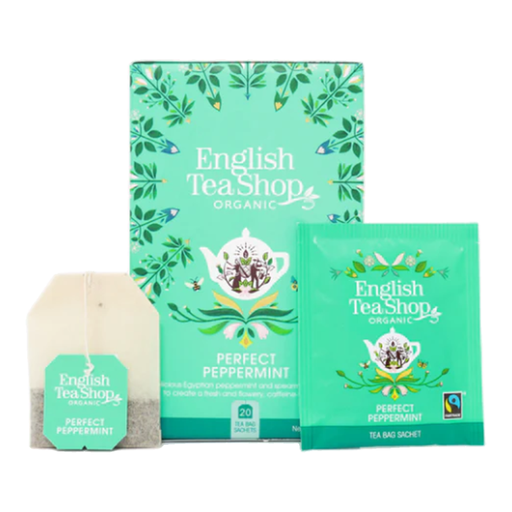
English Tea Shop Organic Perfect Peppermint, 20g
A 20g mint-named option to consider alongside the tea-bag packs. Read the exact ingredients and brewing directions before choosing it, and seek individual advice about herbal use if breastfeeding or taking medicines.
Common questions
Can I drink herbal tea while breastfeeding?
Do not assume that a herbal or caffeine-free label establishes that a blend is suitable while breastfeeding. The NHS says there is not enough known about herbal remedies to guarantee their safety in breastfeeding; check the exact ingredients and ask a pharmacist, midwife, health visitor or GP for individual advice.
How much caffeine should I account for while breastfeeding?
The NHS advises trying not to have more than 300mg of caffeine a day while breastfeeding. Include caffeine from all relevant drinks and foods, and check the exact tea or blend rather than assuming that its category name tells you its caffeine status.
Will a night-time blend help with sleep or low mood?
Choose a night-time blend for its flavour or as a drink routine, not as treatment for sleep or mood symptoms. If you think you may have postnatal depression, the NHS advises speaking to a GP, midwife or health visitor.
What should I compare on two herbal-tea packs?
Compare their complete ingredient lists, stated caffeine status, pack formats and preparation directions. A shorter ingredient list can be easier to review, but it does not establish that a tea is suitable for someone who is breastfeeding or taking medicines.


