Shared-office tea organisers
If several colleagues use the same shelf, a selection box offers different flavours without committing the whole supply to one blend. Individually enveloped bags can also make shared storage easier to organise.


For a shared office shelf where tastes are unknown, start with a selection box so colleagues can try different flavours; choose peppermint when a shorter ingredient list matters, or a ginger or fruit-and-spice blend for a different flavour alongside snacks. Check each product’s caffeine statement, ingredients and warnings rather than assuming that every blend from a herbal-tea brand will suit everyone.
The right format depends on whether the office needs choice for a group or a particular drink for someone’s desk.
If several colleagues use the same shelf, a selection box offers different flavours without committing the whole supply to one blend. Individually enveloped bags can also make shared storage easier to organise.
Check the chosen infusion’s caffeine statement and ingredients. Twinings explains that its fruit and herbal infusions contain no tea leaves, while a brand that sells herbal infusions may also sell green-tea products.
A single-herb peppermint infusion offers a shorter ingredient list than a multi-botanical blend. For either type, keep the pack information available so colleagues can check ingredients and warnings for themselves.
Choose the flavour format first, then check the individual pack for caffeine, ingredients and enough bags for the people sharing it.
| Priority | What to check | Your needs |
|---|---|---|
| Flavour choice | Look for named flavours in a selection box. Check whether bags have separate envelopes if they will be stored together. | Different colleagues may prefer mint, fruit, floral or ginger flavours; I would rather offer a choice than buy a large pack of one unfamiliar blend. |
| Caffeine | Read the exact product’s caffeine statement and ingredient list, particularly if a range also includes green tea or matcha. | If I am avoiding caffeine, the category or brand name alone is not enough to choose my drink. |
| Ingredients and warnings | Compare single-herb and multi-botanical ingredient lists. Read any pack warnings; Twinings states that its liquorice-containing Spiced Ginger blend carries a warning about excessive consumption for people with hypertension. | I want colleagues to be able to identify what is in a blend before making their own choice. |
| Pack size | Compare the stated number of bags when stocking a group. Check wrapping details separately if individual envelopes matter. | For a busy shared kitchen, I need to plan how often one flavour or a selection box will need replacing. |
A range can include both herbal infusions and products made with green tea or matcha. The range name does not establish the caffeine content of a particular box.
Check the individual product’s caffeine statement and ingredients before putting it on a caffeine-free shelf.
A single mint, ginger or floral blend gives colleagues no alternative if they dislike that flavour.
When preferences are unknown, begin with a selection box and use what colleagues choose to guide later purchases.
A blend’s name or packaging is not a reason to present an office drink as a treatment.
Describe the tea by its flavour, ingredients and stated caffeine content instead of promising a health effect.
Multi-botanical blends can contain ingredients that matter to particular colleagues. Twinings Spiced Ginger, for example, contains liquorice and carries a warning for people with hypertension.
Leave ingredient and warning information accessible, and consider offering a plainly labelled single-herb option alongside blends.
These ranges illustrate different flavour and pack formats; check the exact product rather than extending one blend’s details to a whole brand.
Pukka lists caffeine-free herbal options across several botanical flavours.
Twinings offers both fruit-and-herbal selections and individual flavours.
Clipper has a single-herb peppermint option as well as blended infusions.
Yogi Tea’s botanical blends may appeal to people looking for more complex ingredient combinations.
Teapigs has a peppermint option for an office shelf focused on one flavour.
Tesco’s own-label range includes larger-count herbal infusion packs.
These options cover single-flavour mint, citrus-ginger, floral and honey-and-ginger teas for an office shelf. If the aim is to discover several colleagues’ preferences at once, compare them with a selection-box format before committing to one flavour.
 No image available
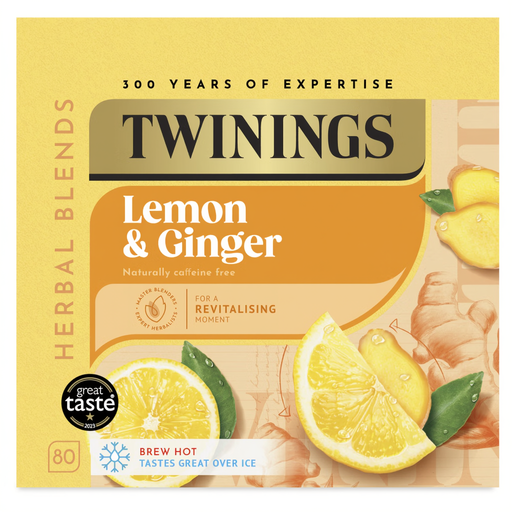
An 80-pack to consider when the shared shelf calls for a continuing supply of lemon-and-ginger tea. It is one flavour; check the caffeine statement, ingredients and whether separate envelopes are needed for your storage setup.
 No image available
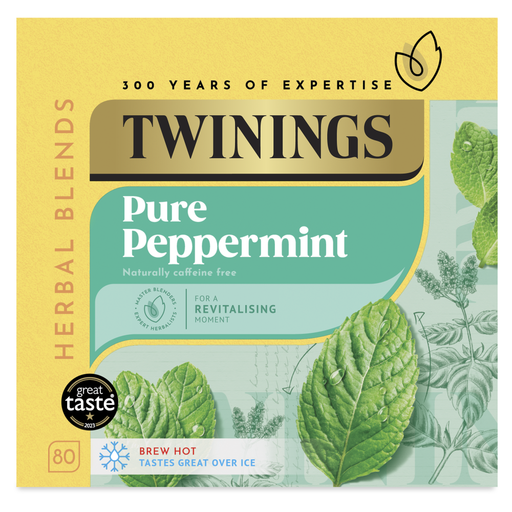
This 80-pack suits a shelf where colleagues already want peppermint rather than a mix of flavours. Read the pack ingredients and check the wrapping format if bags will be stored separately.
 No image available
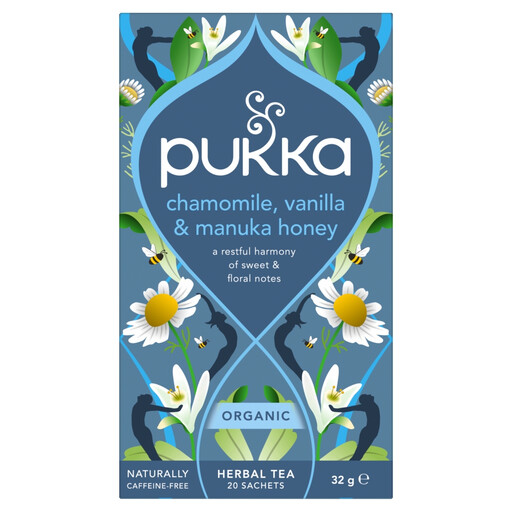
A named chamomile-and-vanilla blend for a shelf that needs a floral alternative to mint or ginger. The pack contains 20 sachets; check its full ingredients and warnings before offering it to colleagues.
 No image available
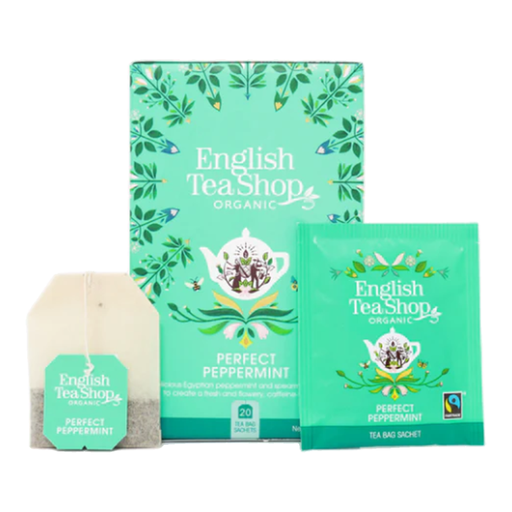
A mint-flavoured option to compare if colleagues prefer that flavour to fruit or spice blends. The title gives a 20g pack weight; check the bag count before planning supplies for a group.
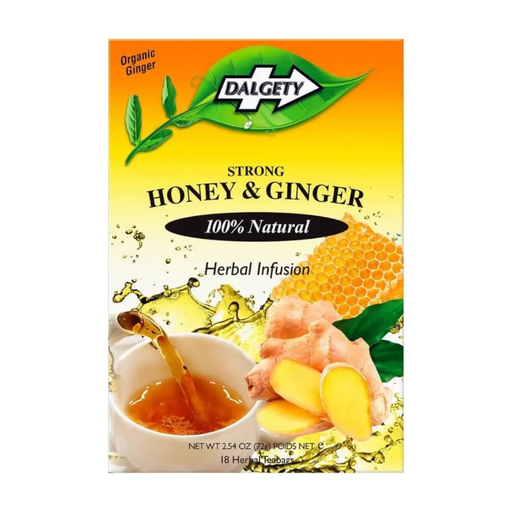 No image available
A honey-and-ginger flavour to consider for colleagues who prefer it to mint or floral tea. Check the ingredient list, caffeine statement and bag count before adding the 72g pack to a shared shelf.
No. Twinings explains that fruit and herbal infusions made without tea leaves are caffeine-free, but a brand may also sell green-tea or matcha products. Check the chosen box’s caffeine statement and ingredients.
A selection box gives colleagues several flavours to try before you buy a larger supply of one. Twinings describes its Fruit & Herbal Classic Collection as four infusions in 20 individually sealed envelopes; check the flavours on the box to see whether they suit your office.
It can have a shorter ingredient list: Clipper lists organically grown peppermint as the ingredient in its Organic Peppermint Infusion. That does not establish anyone’s personal suitability, so keep the individual pack information available.
Read its full ingredients and any warnings, not just the flavour name. Twinings states that Spiced Ginger contains liquorice and warns that people with hypertension should avoid excessive consumption.
Do not present an office snack drink as a treatment on the strength of its botanical name or wellbeing-themed packaging. Describe the particular tea’s ingredients, flavour and stated caffeine status instead.