Older adults avoiding caffeine
A clearly labelled caffeine-free infusion offers a choice of floral camomile, mint or redbush flavours without relying on the word “herbal” alone to establish caffeine status.


For an older adult’s afternoon cup, start with a blend labelled caffeine-free and choose by flavour: plain camomile for a floral infusion, peppermint for mint, or redbush for a fuller alternative. A blend with several herbs calls for a closer look at the ingredients, particularly if the drinker takes medicines or has a health condition; NHS guidance identifies interactions between some herbal medicines and commonly prescribed drugs.
The useful starting point depends on whether the drinker is avoiding caffeine, checking ingredients against medicines, or serving guests with different tastes.
A clearly labelled caffeine-free infusion offers a choice of floral camomile, mint or redbush flavours without relying on the word “herbal” alone to establish caffeine status.
Keep the exact ingredient list to hand when asking a pharmacist about a blend. The NHS identifies interactions between some herbal medicines and drugs including statins, antidepressants, diabetes medicines, blood-pressure medicines and warfarin; that warning does not determine the suitability of every tea.
Offering a choice between a plain floral infusion, peppermint and redbush is more useful than assuming everyone wants the same flavour or a blend marketed for wellbeing.
Check the caffeine label and full ingredients first, then choose a flavour the drinker will enjoy. If medicines or a condition are relevant, check the exact blend before making it a regular afternoon drink.
| Priority | What to check | Your needs |
|---|---|---|
| Caffeine status | Look for an explicit caffeine-free statement on the exact product. Read the ingredients rather than judging by the blend’s name or flavour. | I’m choosing an afternoon drink without caffeine, so I want the pack to say so clearly. |
| Ingredient clarity | Compare a named single-herb infusion with the full list on a blended tea. Look for other botanicals and flavourings, including liquorice or valerian where relevant. | A short list helps me identify what is in the cup and discuss the exact product with a pharmacist if needed. |
| Individual suitability | Check the ingredients with a pharmacist if the drinker takes medicines or has a health condition. Read any warning on the particular blend; the NHS notes that some herbal medicines interact with commonly prescribed drugs. | If medicines or a condition are involved, I want to check this blend rather than assume that a natural ingredient is suitable. |
| Flavour and preparation | Choose between floral camomile, mint and redbush according to taste. Follow the brewing directions on the chosen pack, as preparation varies by product. | For a shared afternoon tea, I’d offer more than one flavour; for a new favourite, I’d try a smaller pack first. |
A flavour name does not confirm whether the product contains a source of caffeine, such as green tea.
Check the caffeine statement and complete ingredient list on the exact pack when avoiding caffeine matters.
Wellbeing wording does not establish that a blend is suitable alongside medicines or for a health condition. The NHS warns of interactions involving some herbal medicines and commonly prescribed drugs.
Show a pharmacist the exact ingredients before regular use when medicines or a condition are involved; do not treat the blend as a remedy.
Clipper lists liquorice root as 11% of its Organic Lemon & Ginger infusion. Teapigs gives a hypertension-specific caution for its own liquorice-and-peppermint tea, so warnings need to be read product by product.
Check for liquorice root in the full ingredients and ask a healthcare professional about individual suitability if hypertension is relevant.
Camomile, peppermint and redbush offer noticeably different flavour routes; the preferred one cannot be settled by a wellness claim.
Try a smaller pack or a selection of flavours before choosing a larger quantity for regular afternoon tea.
These ranges illustrate different ingredient and flavour choices; check the particular product rather than applying a brand-wide description to every blend.
Pukka presents a range of herbal teas with varied flavour combinations.
Twinings offers fruit and herbal infusions alongside individually labelled camomile and redbush products.
Clipper’s herbal-infusion range includes plain herbs and blends with several ingredients.
Teapigs sells a pure-peppermint option as well as blends combining different herbs.
Yogi Tea presents organic botanical blends with wellbeing-oriented branding.
These options cover mint and camomile afternoon infusions, from plainly named herbs to flavoured blends. Compare the ingredient list and caffeine label of the pack you choose, especially when buying for someone who takes medicines.
 No image available
A peppermint option for someone who prefers a mint afternoon cup. The pack is labelled as containing 80 tea bags; check its ingredients and caffeine statement for the individual drinker.
 No image available
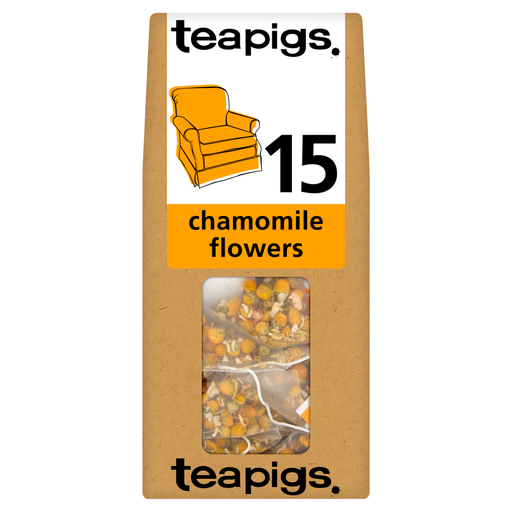
A camomile-flower option for a floral afternoon infusion. The product name specifies 15 tea bags and 180g; check the exact pack when ingredient or medicine suitability matters.
 No image available
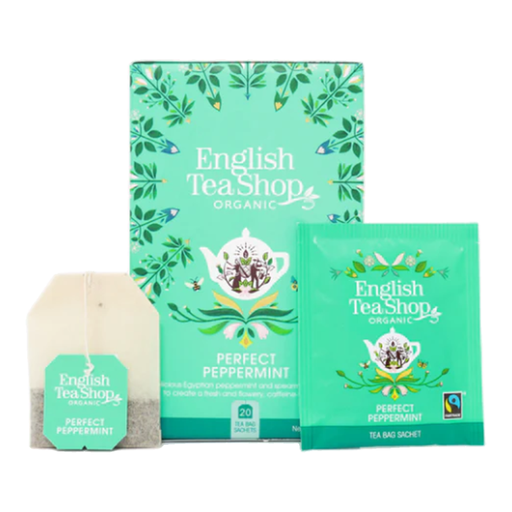
A mint option to compare with plain peppermint. This 20g product contains both peppermint and spearmint, so choose it for that blend rather than expecting a single-herb infusion.
 No image available
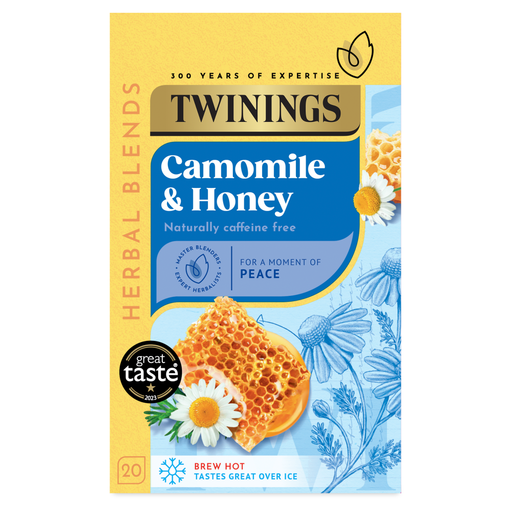
A flavoured camomile option for someone who wants honey and vanilla notes rather than plain camomile. The 20-pack includes flavourings, so read the ingredients rather than treating it as a single-herb infusion.
 No image available
A camomile-led option with vanilla and honey in its product name, supplied as 20 sachets weighing 32g. This blend also contains liquorice root and other ingredients; check individual suitability before making it a regular choice, particularly if medicines or a condition are involved.
No: check the caffeine label and ingredients of the exact product. Pukka describes many of its herbal teas as naturally caffeine-free, which is not a reason to assume the same of every botanical-sounding blend.
A plain camomile or peppermint infusion makes the flavour and named herb easier to identify. That does not establish medical safety: if the drinker takes medicines or has a health condition, ask a pharmacist about the specific product.
Check the chosen tea’s ingredients with a pharmacist or clinician rather than deciding from age alone. The NHS warns that some herbal medicines interact with drugs including statins, antidepressants, diabetes medicines, blood-pressure medicines and warfarin; it does not establish that every herbal tea has the same interaction.
Read the warning for the exact blend and ask a healthcare professional about individual suitability. Teapigs advises people with hypertension to limit its liquorice-and-peppermint tea to one cup a day; that instruction should not be applied indiscriminately to other products.
Follow the chosen pack’s instructions because brewing directions differ. Twinings specifies one Pure Camomile teabag in 200 ml of freshly boiled water for three minutes, or longer for a stronger cup.