Older adults who want another hot drink
An infusion they enjoy can add variety to drinks throughout the day. NHS guidance counts tea towards fluid intake; check the product label if avoiding caffeine is important.


For an older adult who wants an enjoyable hot drink, choose a clearly labelled herbal infusion whose flavour they like, and check its ingredients against any medicines they take. NHS guidance says tea counts towards fluid intake, but a jar or tea bag does not make herbal tea a nutrition drink: when poor appetite or weight loss is the concern, food and nourishing drinks need separate attention. Anyone taking warfarin should check the exact herbs with a pharmacist or anticoagulation clinician before drinking the tea regularly.
An infusion they enjoy can add variety to drinks throughout the day. NHS guidance counts tea towards fluid intake; check the product label if avoiding caffeine is important.
Herbal tea can be offered as a drink, but it should not take the place of food or nourishing drinks when intake is low. British Nutrition Foundation and NHS guidance discuss milky drinks as an option for adding energy and nutrients.
The exact herbs matter more than a tea’s reassuring name. The NHS Medicines Awareness Service flags chamomile tea, ginger and green tea in connection with increased bleeding risk when taken with warfarin; a pharmacist or anticoagulation clinician can review the particular product.
Decide whether the drink is mainly for flavour and fluids or whether poor food intake also needs attention. Then check the ingredients and how the tea is prepared.
| Priority | What to check | Your needs |
|---|---|---|
| An enjoyable drink | Look for a flavour the person likes, the stated caffeine status and clear preparation directions. NHS guidance says tea counts towards fluid intake. | I want a hot drink the person will be happy to have regularly, without relying on water alone. |
| Nutrition as well as fluids | Read energy and protein values for the prepared drink, not just dry tea. Twinings lists its brewed Pure Camomile infusion as 2 kcal per 100 ml; NHS guidance discusses warm milky drinks when someone needs more nutrients and energy. | If appetite is poor or weight is falling, I need to consider food and nourishing drinks separately rather than treating plain herbal tea as nutrition support. |
| Ingredients and medicines | Check every botanical in a blend, not just the flavour on the front. For warfarin, the NHS Medicines Awareness Service flags chamomile tea, ginger and green tea in connection with increased bleeding risk. | The person takes warfarin or several medicines, so I want a pharmacist or anticoagulation clinician to review the exact tea before it becomes a regular drink. |
| Claims and flavour | Read the ingredient list alongside any wellbeing wording. A name referring to calm, sleep or digestion does not establish that a tea treats a condition. | I am choosing a flavour, not assuming that a product name answers a sleep, digestion or nutrition concern. |
| Jar or tea bags | If choosing tea in a jar, check its ingredients, preparation directions and nutrition information for the prepared drink. Apply the same checks to tea bags; the container alone does not answer them. | A jar may suit how I store or serve tea, but I still need to know what the person will drink. |
Plain brewed tea may add fluids without contributing much energy or protein. Twinings lists Pure Camomile at 2 kcal per 100 ml brewed; that does not address poor food intake.
Keep the drink separate from plans for food and nourishment. If poor appetite, weight loss or low intake is a concern, discuss it with the person’s GP or care team.
A short ingredient list makes a tea easier to identify, but does not settle medicine suitability. The NHS Medicines Awareness Service flags chamomile tea, ginger and green tea in connection with increased bleeding risk when taken with warfarin.
For someone taking warfarin, show the exact pack or ingredient list to a pharmacist or anticoagulation clinician before regular use.
Words such as ‘calm’ or ‘sleep’ do not, by themselves, demonstrate that a tea treats a health problem.
Choose on flavour, caffeine preference and ingredients; seek appropriate clinical advice about symptoms rather than relying on the tea’s name.
A pack may go unused if the person dislikes the flavour or its ingredients are unsuitable for them.
Check the ingredients first and, where there is a choice, try a smaller pack before committing to a larger one.
An unsuitable larger pack can mean unused tea and another shopping trip.
These brand examples help illustrate label differences; they do not establish which products are suitable for a particular person or available in the Joybuy selection below.
Clipper’s Organic Chamomile Infusion is a single-herb example.
Twinings offers Pure Camomile alongside other herbal infusions.
Pukka offers herbal teas and supplements and describes its products as certified organic.
Teapigs lists herbal and decaf teas among its tea collections.
Tesco lists own-label herbal infusions, including Camomile Infusion tea bags.
These tea-bag options cover named single-herb teas and blends for someone choosing an enjoyable drink. Check the exact ingredients against medicines, and consider nutrition needs separately.
 Image unavailable
A peppermint option for someone choosing a hot drink by flavour; the pack contains 80 tea bags. If the drinker takes warfarin or several medicines, check the exact ingredients with a pharmacist before regular use.
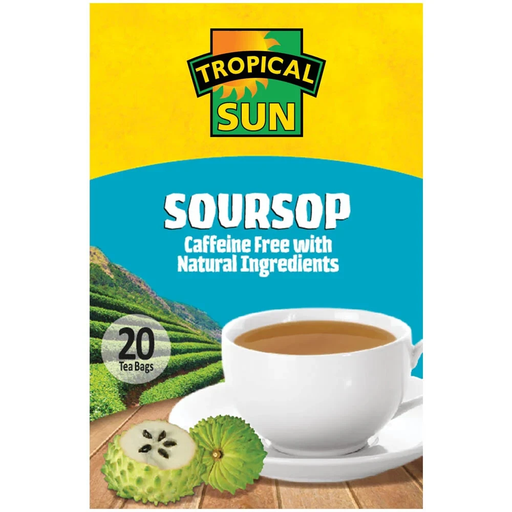 Image unavailable
A 20-bag soursop tea option for someone interested in that flavour. Check the pack’s preparation and ingredient information; if the drinker takes warfarin or several medicines, ask a pharmacist about the exact product before regular use.
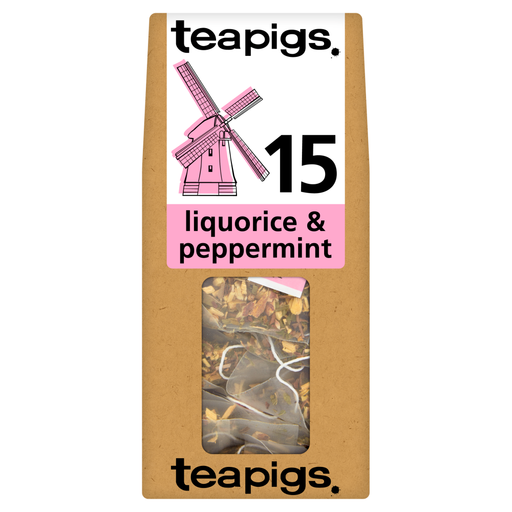 Image unavailable
A 15-bag option for someone who prefers a liquorice and mint blend. Check both named ingredients, and ask a pharmacist to review the exact tea before regular use if the drinker takes warfarin or several medicines.
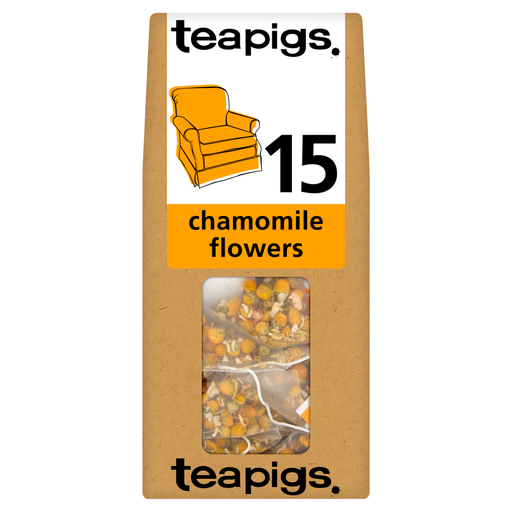 Image unavailable
A chamomile-flower tea in a 15-bag pack. The NHS Medicines Awareness Service flags chamomile tea in connection with increased bleeding risk when taken with warfarin, so warfarin users should check this product with a pharmacist or anticoagulation clinician before regular use.
 Image unavailable
A 20-bag lemon and ginger blend for someone choosing by flavour. Check the full ingredient list: the NHS Medicines Awareness Service flags ginger in connection with increased bleeding risk when taken with warfarin, so warfarin users should ask a pharmacist or anticoagulation clinician about this tea before regular use.
Yes. NHS guidance counts tea among drinks that contribute to daily fluid intake, and British Nutrition Foundation guidance includes hot drinks. A person’s fluid needs can vary with their circumstances.
Plain herbal tea should not replace food or nourishing drinks when poor appetite is the concern. Twinings lists its brewed Pure Camomile infusion as 2 kcal per 100 ml; British Nutrition Foundation and NHS guidance instead discuss energy- and nutrient-containing foods or milky drinks for people struggling with intake.
They should check the exact tea with a pharmacist or anticoagulation clinician before regular use. The NHS Medicines Awareness Service flags chamomile tea and ginger in connection with increased bleeding risk when taken with warfarin.
No. A product name is not, by itself, evidence that a herbal tea treats a medical condition. Choose a drink on its ingredients and flavour, and seek appropriate clinical advice for a health concern.
Contact their GP rather than relying on an ordinary herbal tea or changing drink texture without advice. NHS guidance says swallowing difficulties may call for assessment by a speech and language therapist or dietitian.