Hosts serving different tea preferences
A meeting tea station may need both a clearly labelled caffeine-free infusion and a separate option for people who prefer the taste of tea made from tea leaves.


For a meeting, start with a herbal infusion whose pack explicitly says it is naturally caffeine-free; add decaffeinated black tea separately if attendees may want a familiar tea flavour. Decaffeinated tea is not the same as a naturally caffeine-free infusion, and some herbal blends contain caffeinated ingredients such as mate or guarana, so keep labels and ingredient information available.
A meeting tea station may need both a clearly labelled caffeine-free infusion and a separate option for people who prefer the taste of tea made from tea leaves.
For someone seeking a drink with no intended caffeine source, the distinction between a naturally caffeine-free infusion and decaffeinated tea matters. Check the chosen product rather than relying on the word “herbal”.
When refreshments are shared, leave each pack accessible so attendees can check its ingredients and allergen information for themselves.
Choose the caffeine-free option first, then decide whether a separate decaffeinated tea and additional herbal flavour would help the group.
| Priority | What to check | Your needs |
|---|---|---|
| Caffeine status | Look for an explicit naturally caffeine-free statement and read the ingredients for mate or guarana. Twinings distinguishes herbal infusions from decaffeinated tea made from tea leaves. | I want attendees avoiding caffeine to recognise their option without mistaking decaf black tea for a caffeine-free infusion. |
| Flavour choice | Consider clearly identified peppermint or camomile alongside a separate decaffeinated black tea if a traditional tea flavour matters. Check the ingredients of flavoured blends. | A choice of herbal flavours would help when one drink will not appeal to everyone at the table. |
| Self-service | Check bag count against the cups you plan to serve and display each pack’s brewing directions. Clipper gives 2–5 minutes for its Organic Peppermint; Twinings gives 3 minutes for Pure Camomile. | I need people to prepare their own cups and follow the directions for the particular tea they choose. |
| Ingredients | Keep the exact packs available for ingredient and allergen checks. Do not assume a complex botanical blend suits every attendee. | Anyone checking a particular ingredient should be able to read the label before making a cup. |
Decaffeinated tea is made from tea leaves with nearly all caffeine removed. Many herbal infusions are naturally caffeine-free, but Twinings identifies mate and guarana as exceptions in some blends.
Label the options separately and check the caffeine statement and ingredients on the exact herbal pack.
A blend with several botanicals gives attendees more ingredients to consider. Teapigs also warns about excessive consumption of its liquorice-and-peppermint tea for people with hypertension.
Include a clearly identified non-liquorice option, such as plain peppermint or camomile, and leave ingredient lists visible.
Without the original pack, attendees cannot readily check whether the tea matches their ingredient needs or follow its preparation directions.
Put the boxes beside the bags, or provide accurate information from the current packs for each distinct product.
These brand examples help distinguish flavours, formats and labelling; check the specific pack before adding any tea to a caffeine-free station.
Pukka describes Three Chamomile as naturally caffeine-free and offers other herbal flavours.
Twinings offers both herbal infusions and decaffeinated tea-leaf products, which serve different preferences.
Clipper’s Organic Peppermint Infusion is a clearly identified mint choice.
Teapigs lists pure peppermint leaves in its naturally caffeine-free peppermint tea.
Yogi Tea describes its teas as vegan and lists UK natural-food shops, health-food shops and selected other retailers among its outlets.
Tesco lists a Peppermint 40 Tea Bags 60G product in its UK tea range.
These peppermint and camomile options suit a meeting station centred on herbal infusions. Compare their stated pack quantities and keep the current packs available for caffeine, ingredient and brewing checks.
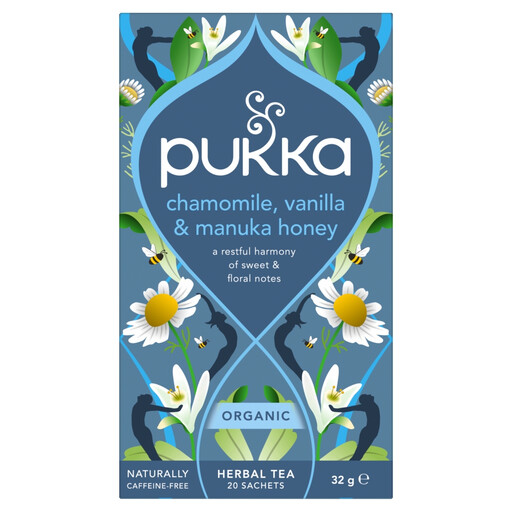 No image available
A camomile-based option for attendees who want a flavoured herbal infusion. This blend contains liquorice and fennel, so leave its ingredient information accessible; its product warning advises seeking professional guidance during pregnancy or where health concerns apply.
 No image available
A peppermint option for a meeting where the host needs a stated pack quantity. Check the current pack’s caffeine statement, ingredients and brewing directions before setting it out.
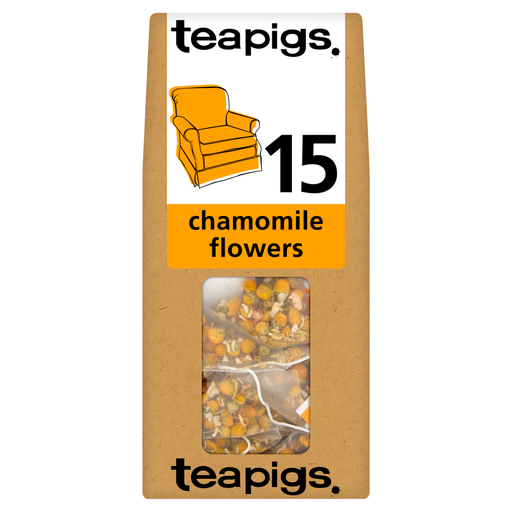 No image available
A camomile option with 15 bags for planning individual cups. Keep the pack available for its caffeine and ingredient statements and its own brewing directions.
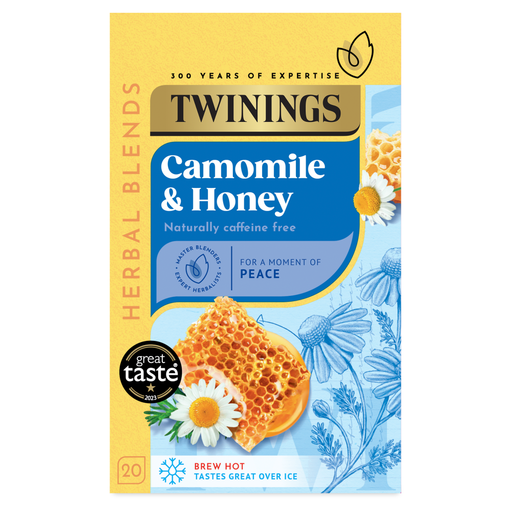 No image available
A flavoured camomile option if the meeting station has room for more than one herbal choice. Check its ingredient list and pack directions before serving it alongside plainer infusions.
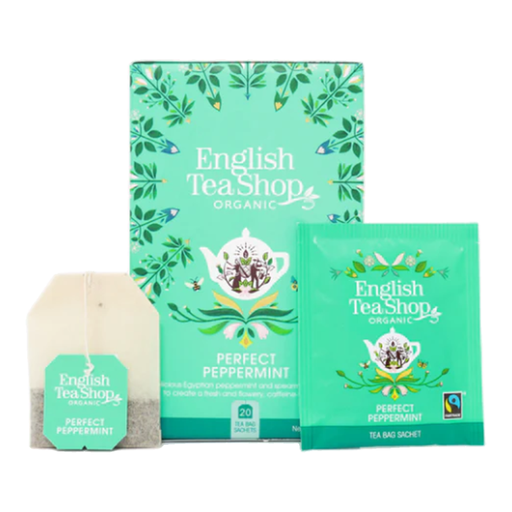 No image available
Another mint option to consider for individual cups. Check the pack’s bag count before planning quantities, and use its own ingredients, caffeine statement and brewing directions at the tea station.
No. Many herbal and fruit infusions are naturally caffeine-free, but Twinings identifies blends containing mate or guarana as exceptions. Check the statement and ingredients on the product you intend to serve.
Offer a clearly labelled naturally caffeine-free herbal infusion first; add decaffeinated black tea if attendees may want a familiar tea-leaf flavour. Keep them labelled separately because decaffeinated tea can retain traces of caffeine.
Follow the directions for each pack. Clipper specifies 2–5 minutes for its Organic Peppermint Infusion, Twinings specifies 3 minutes for Pure Camomile, and Teapigs specifies at least 3 minutes for its peppermint tea temples.
Leave the original boxes beside the tea bags, or display accurate information from the current pack for each product. A label saying only “herbal tea” does not identify everything in a blend.
No. Provide a non-liquorice option and make ingredients easy to inspect. Teapigs warns that excessive consumption of its liquorice-and-peppermint tea can potentially increase blood pressure, a relevant consideration for attendees with hypertension.