What matters when choosing blends?
Decide whether the drinkers need variety or a familiar repeat choice, then check the individual pack for caffeine information and ingredients.
| Priority |
What to check |
Your needs |
| Caffeine |
Look for a herbal or fruit infusion and its product-level caffeine statement. Decaffeinated black or green tea is a different category. |
I want a drink without conventional tea leaves, so I will check the specific blend rather than assume anything called tea is caffeine-free. |
| Flavour choice |
Compare the named flavours in a mixed box with single-herb, fruit-led and spiced blends. Twinings lists four flavours, with five bags of each, in its Fruit & Herbal Classic Collection. |
Several people may want different cups, or the regular drinker may still be deciding between mint, floral, fruit and spice flavours. |
| Pack size |
Check the bag count and how many flavours it covers. A larger single-flavour box is a different commitment from a mixed selection. |
Once a favourite is established, I would rather buy enough of that blend for repeat use; until then, variety matters more than a larger count. |
| Ingredients |
Read the current pack for botanicals, fruit ingredients, flavourings and highlighted allergens. GOV.UK says allergens used as ingredients must be listed and highlighted on UK food labels. |
I need to inspect what is in a blend before buying or serving it, particularly when someone has an allergy or a specific ingredient preference. |
| Health claims |
Choose by flavour and stated product characteristics, not an occasion name or suggested medical effect. Ask a pharmacist or clinician if a herbal product is being considered alongside regular medicines or for a health concern. |
An after-meal or evening drink can be a flavour choice; I do not want its name to stand in for advice about treatment. |
Which brands illustrate the options?
These brand examples show different infusion styles; check the particular product rather than assuming every blend from a brand has the same ingredients.
Twinings
Twinings offers individual fruit and herbal flavours as well as mixed collections.
- Its Fruit & Herbal Classic Collection contains 20 envelopes across peppermint, lemon and ginger, camomile, and strawberry and raspberry; Twinings labels the collection naturally caffeine-free.
- There are five bags of each flavour, so the box offers limited quantities of any one favourite.
Pukka
Pukka’s After Dinner blend is an aromatic option built around aniseed, fennel and cardamom.
- Pukka labels this organic blend naturally caffeine-free.
- Its spice-led flavour is a specific taste choice; the product name does not establish a digestive benefit.
Clipper
Clipper Organic Chamomile is a single-herb route for shoppers who prefer a straightforward ingredient list.
- Clipper lists organically grown chamomile and labels the infusion naturally caffeine-free.
- One floral flavour offers less variety than a mixed collection.
Tesco
Tesco Red Berries is a larger-count fruit-infusion example for repeat use.
- Tesco lists 40 hibiscus infusion bags and labels the product naturally caffeine-free.
- The listed ingredients include flavourings. Tesco notes that formulations can change, so inspect the current pack before buying or serving.
Teapigs
Teapigs lists herbal choices including peppermint and chamomile blends.
- Its range provides further flavour options to compare with a household’s established favourites.
- Check each product’s own pack for ingredients, allergens and caffeine information rather than applying a range description to every blend.
Herbal tea options on Joybuy
These options include fruit variety, lemon and ginger, floral blends and single-herb infusions. Compare their stated pack sizes with how many people will drink each flavour.
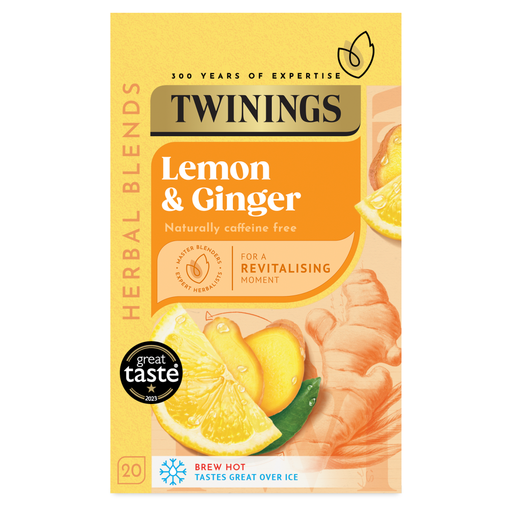 Image unavailable
Twinings Lemon & Ginger Tea Bags, 20 Pack
A 20-bag choice when lemon and ginger is already a welcome flavour, rather than a box intended to offer several blends. Check the current pack’s ingredients and allergen information before serving.
View on Joybuy
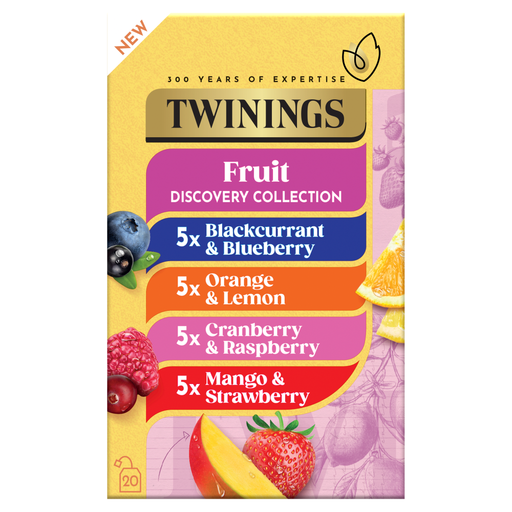 Image unavailable
Twinings Fruit Selection, 20 Tea Bags, 40g
A fruit-selection format to consider when drinkers want a choice rather than one established flavour. The pack is labelled as containing 20 tea bags; check the current pack for the flavour mix, ingredients and allergens.
View on Joybuy
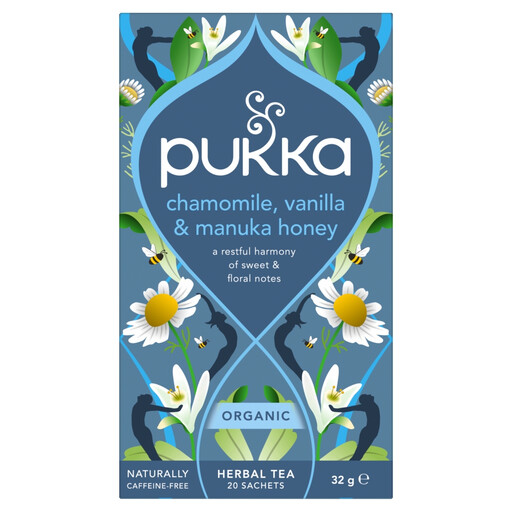 Image unavailable
Pukka Chamomile Vanilla & Manuka Honey, 20 Herbal Tea Sachets, 32g
A named chamomile-and-vanilla blend for drinkers who prefer that flavour combination to a plain single-herb infusion. It contains 20 sachets; check the current pack’s full ingredients and allergens, especially when choosing for someone else.
View on Joybuy
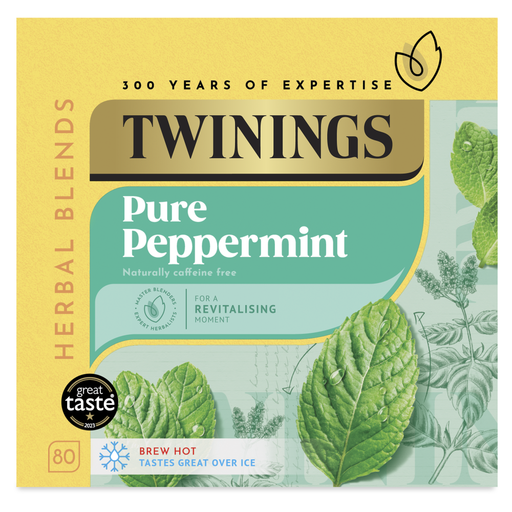 Image unavailable
Twinings Pure Peppermint, 80 Pack
An 80-pack to consider when peppermint is already a regular choice. It is one named flavour rather than an assortment, so confirm that preference before buying a larger quantity and follow the pack instructions when preparing it.
View on Joybuy
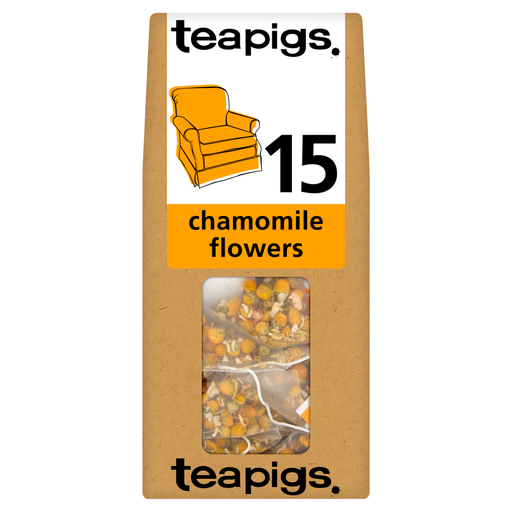 Image unavailable
Teapigs Chamomile Flowers, 15 Tea Bags, 180g
A 15-bag floral option for someone considering chamomile without choosing a larger pack. It is a single named flavour, not a selection box; check the current pack for ingredients, allergens and preparation instructions.
View on Joybuy
Common questions
Is a herbal infusion the same as decaffeinated tea?
No. Twinings explains that herbal and fruit infusions do not contain leaves or buds from Camellia sinensis, whereas decaffeinated black or green tea starts with that tea plant. If caffeine avoidance matters, check the individual pack’s description and caffeine statement.
How can I choose flavours for several regular drinkers?
Start with a mixed collection if preferences are uncertain, then consider single-flavour packs once people know what they enjoy. Twinings’ Fruit & Herbal Classic Collection, for example, has five bags each of peppermint, lemon and ginger, camomile, and strawberry and raspberry.
What should I check before serving herbal tea to someone with an allergy?
Read the current pack’s full ingredients and allergen information, including any precautionary statement. GOV.UK says allergens used as ingredients must be listed and highlighted on UK food labels, while Tesco notes that product formulations can change.
Can an “after dinner” or evening blend treat a health concern?
Do not treat an occasion name as evidence of a medical benefit or use an infusion instead of treatment. If you take regular medicines or are considering a herbal product for a health condition, ask a pharmacist or clinician; NHS guidance cautions that some herbal medicines may not mix with medicines.
How long should I steep a herbal tea bag?
Follow the instructions for the particular product rather than applying one time to every blend. Clipper, for example, gives a 2–5 minute infusion guide for its Organic Chamomile.


