Who is this for?
Start with the flavour and bag format you want for a hot drink alongside winter food; they are separate choices.
Winter-spice drinkers
If you want orange, clove or ginger notes instead of conventional black tea, compare the full blends. Teapigs Spiced Winter Red combines rooibos with orange peel, cinnamon and cloves; Pukka Winter Warmer takes another orange-and-spice direction.
Pyramid-bag shoppers
If the bag’s construction is part of your choice, look for an explicit statement on the exact product. Teapigs calls its Tea Temples pyramid tea bags containing whole leaves; a herbal flavour or individually wrapped sachet alone does not establish the shape.
Evening infusion shoppers
If you are avoiding caffeine for an evening drink, check the individual pack. Teapigs labels its Spiced Winter Red and Peppermint teas naturally caffeine-free, while Twinings Lemon and Ginger, Clipper Organic Peppermint and Yogi Bedtime also carry caffeine-free descriptions.
What should you check?
Choose the flavour direction first, then confirm the bag format, ingredients and preparation details on the product you intend to buy.
| Priority |
What to check |
Your needs |
| Flavour |
Compare the named ingredients: Teapigs Spiced Winter Red lists rooibos, orange peel, cinnamon and cloves; its Peppermint Tea contains peppermint leaves. Pukka Winter Warmer offers orange, clove and ginger notes. |
I’d choose spice for a wintry drink, or peppermint when I want a straightforward mint flavour alongside food. |
| Bag format |
Look for an explicit pyramid-bag description for the exact tea. Teapigs describes its Tea Temples as pyramid bags containing whole leaves; do not use flavour or wrapping as a substitute for a format statement. |
The pyramid shape matters to me, so I want to confirm it rather than assume any herbal teabag has it. |
| Ingredients |
Read the complete declaration, particularly for multi-botanical blends. Teapigs Peppermint Tea contains peppermint leaves; Yogi Ginger Orange with Vanilla includes liquorice and carries a warning about excessive consumption for people with hypertension. |
I may prefer a single herb, or need to check whether a spiced blend contains an ingredient I avoid. |
| Caffeine |
Check the exact product’s caffeine statement rather than relying on the word ‘herbal’. Teapigs identifies its Peppermint and Spiced Winter Red teas as naturally caffeine-free. |
For an evening cup, I want the caffeine status confirmed on the tea I choose. |
| Brewing |
Follow the product directions: Teapigs specifies at least three minutes for its Peppermint Tea, Twinings gives three minutes for Lemon and Ginger, and Clipper gives two to five minutes for Organic Peppermint. |
I want a brewing instruction that fits when I plan to make the tea, without assuming all bags take the same time. |
| Packaging |
Check disposal directions for the bag, tag and wrapper separately. Pukka says its tea-bag paper is home compostable and directs its tag to paper recycling. |
If disposal matters to me, I’ll check each packaging component and my local collection rules. |
Which brands are relevant?
These brand examples show different herbal flavours and packaging approaches; only an exact product description can confirm the bag format you are buying.
Teapigs
Teapigs describes its Tea Temples as pyramid tea bags containing whole leaves, with Spiced Winter Red and Peppermint among its herbal choices.
- Spiced Winter Red combines caffeine-free rooibos with orange peel, cinnamon and cloves.
- Peppermint is a different, single-herb flavour direction; check the brewing instructions for the tea you choose.
Pukka
Pukka Winter Warmer is an organic seasonal blend described with orange, clove and ginger notes.
- Pukka says its tea-bag paper is home compostable and gives separate recycling advice for the tag.
- Check the exact pack if a pyramid bag is essential; the Winter Warmer flavour description does not establish its bag shape.
Twinings
Twinings Lemon and Ginger offers a citrus-and-ginger alternative to rooibos spice or peppermint.
- Twinings lists ginger root at 37%, describes the infusion as naturally caffeine-free and specifies a three-minute brew.
- Check the exact bag format rather than assuming this herbal infusion is pyramid-shaped.
Clipper
Clipper Organic Peppermint is a single-herb option for shoppers who prefer mint to a winter-spice blend.
- Clipper lists peppermint as the ingredient, describes the tea as naturally caffeine-free and gives a two-to-five-minute infusion range.
- Confirm the bag construction on the exact pack if pyramid format is part of your decision.
Yogi Tea
Yogi Tea offers different herbal blend directions, including the floral ingredients in Bedtime and the spice-led Ginger Orange with Vanilla.
- Yogi labels Bedtime naturally caffeine-free and lists fennel, chamomile and peppermint among its ingredients.
- Ginger Orange with Vanilla contains liquorice and carries a warning about excessive consumption for people with hypertension; check its full ingredients and bag format.
Joybuy product options
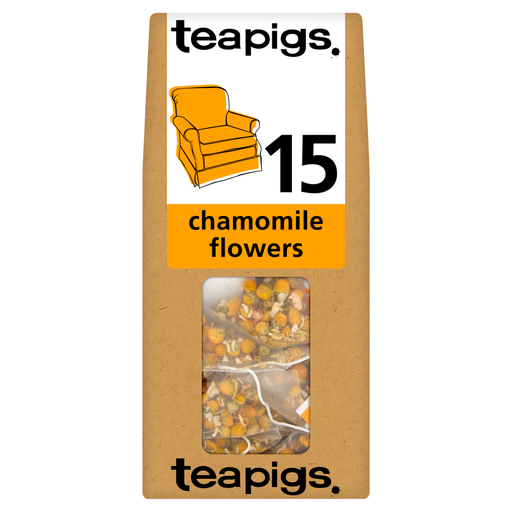
This floral chamomile option offers a different flavour direction from winter spice or peppermint. If a pyramid bag is essential, confirm the construction on the exact pack before choosing it.
 No image available
Teapigs Chamomile Flowers, 15 tea bags, 180g
Consider this for a floral herbal infusion rather than a spiced or peppermint flavour. The product name specifies 15 tea bags and 180g; check the exact pack if pyramid construction is essential to your choice.
View on Joybuy
Questions about herbal tea bags
Are all herbal teabags pyramid-shaped?
No. Herbal describes the infusion, not the shape of its bag. Teapigs explicitly calls its Tea Temples pyramid tea bags; check the exact product or pack when that format matters.
How long should I brew a herbal teabag?
Follow the directions for your chosen tea. Teapigs specifies at least three minutes for Peppermint Tea, Twinings gives three minutes for Lemon and Ginger, and Clipper gives two to five minutes for Organic Peppermint.
What should I check if I have a food allergy?
Read the complete ingredient declaration and any precautionary allergen statement on the exact pack. The Food Standards Agency explains that statements such as ‘may contain’ can indicate possible unintended presence of one of the UK’s 14 regulated allergens.
What matters when choosing herbal tea during pregnancy?
Check the ingredients and follow pregnancy-specific guidance. The NHS advises pregnant people to avoid more than four cups of herbal tea a day and to avoid teas containing liquorice root; Yogi Ginger Orange with Vanilla is one blend that lists liquorice.
Can the used bag and its packaging go in the same bin?
Not necessarily. Pukka says its tea-bag paper is home compostable but directs its tag to paper recycling. Check the instructions for the exact bag, tag and wrapper, alongside your local collection rules.


