For a pronounced, caffeine-free afternoon cup, pure peppermint is a starting point if the guest enjoys mint and it does not aggravate their reflux; teapigs describes its peppermint as strong-tasting, while Twinings says a longer infusion makes its Pure Peppermint stronger. A liquorice blend calls for a blood-pressure check, and a blend containing turmeric warrants a medicine check where relevant. No single flavour suits every guest.
Who is choosing the tea?
The choice depends as much on the person drinking it as on how bold the flavour sounds.
Guests who want flavour without caffeine
A clearly flavoured infusion can take the place of ordinary tea or coffee at afternoon tea. Pure peppermint offers a mint-led option; a ginger blend offers a different, spicy profile. Check the caffeine statement on the particular pack.
Older adults taking regular medicines
Read the ingredients of the exact blend before making it a regular drink. The NHS cautions that herbal products are not suitable for everybody, and the Welsh Medicines Advice Service identifies particular medicine-interaction concerns for turmeric or curcumin.
Hosts serving guests with different needs
Ask about flavour preferences and relevant restrictions rather than making one pot for everyone. Teapigs gives a consumption warning for people with hypertension on its liquorice-and-peppermint tea, while NHS hospital reflux guidance notes that some people may benefit from cutting down on peppermint.
What matters when choosing?
Choose the flavour route, check its ingredients and preparation instructions, then consider whether it suits the people you are serving.
| Priority | What to check | Your needs |
|---|
| Pronounced flavour |
Compare mint-led and spicy blends by their stated ingredients. Follow the instructions for the exact tea: teapigs specifies 3+ minutes for its peppermint, and Twinings says its Pure Peppermint can be infused longer than three minutes for a stronger cup. |
I want a cup with a noticeable flavour, but mint and ginger appeal to different guests. |
| Ingredients and caffeine |
Check whether the pack names one herb or a blend, and confirm its caffeine statement. Pukka identifies ginger, turmeric and galangal in Three Ginger; liquorice-and-mint is not the same choice as plain peppermint. |
If I am serving several people, I want to know exactly what is in each infusion rather than relying on its flavour name. |
| Blood pressure and medicines |
Read blend-specific warnings. Teapigs advises people with hypertension to limit its Liquorice & Peppermint to one cup a day. The Welsh Medicines Advice Service advises caution with turmeric or curcumin alongside anticoagulant or antiplatelet medicines. |
Someone may need to check a blend against their medicines or blood-pressure advice before drinking it regularly. |
| Reflux and guest choice |
Ask whether peppermint is a known trigger for the guest. University Hospitals Coventry and Warwickshire NHS Trust says some people managing reflux may benefit from cutting down on peppermint. |
I would like a non-mint choice available if a guest finds peppermint uncomfortable. |
What is easy to overlook?
-
Assuming caffeine-free means suitable with every medicine
Caffeine status does not settle whether other botanical ingredients are appropriate. The NHS cautions that herbal products are not suitable for everybody.
Read the full ingredient list. If a guest takes regular medicines, ask a pharmacist or clinician about the particular blend and medicines before treating it as an everyday drink.
-
Making liquorice-and-mint the default pot
Teapigs advises people with hypertension to limit its Liquorice & Peppermint to one cup a day. That warning matters when a host does not know every guest’s circumstances.
Label the blend clearly, ask guests what they prefer and offer another infusion alongside it.
-
Assuming peppermint suits every after-meal guest
University Hospitals Coventry and Warwickshire NHS Trust lists peppermint among things some people managing reflux may benefit from cutting down on. Its suitability is individual, not a reason to make digestive-health promises.
If a guest reports peppermint as a trigger, offer a non-mint drink.
-
Using the word ‘strong’ as a common measure
A bold mint taste and a spicy ginger taste are different preferences; a strength description alone does not tell you which a group will enjoy.
Compare ingredients and the maker’s brewing directions, and establish guests’ flavour preferences before buying for the table.
Relevant brand references
These references concern particular infusions and their stated ingredients or preparation, not every tea made by each brand.
teapigs
Its pure peppermint and Liquorice & Peppermint illustrate two distinct mint routes.
- teapigs describes its pure peppermint as having a strong minty taste and advises brewing for 3+ minutes.
- Its Liquorice & Peppermint carries a warning to limit consumption to one cup a day for people with hypertension.
Twinings
Pure Peppermint offers a single-flavour mint route with a stated preparation method.
- Twinings advises infusing one Pure Peppermint tea bag in 200 ml for three minutes, or longer for a stronger flavour.
- Guests who find peppermint aggravates their reflux may prefer a non-mint option.
Pukka
Three Ginger is a caffeine-free, spicy alternative to mint, containing ginger, turmeric and galangal.
- Its ingredient list makes the spicy flavour route clear.
- The Welsh Medicines Advice Service advises caution with turmeric or curcumin and certain medicines, including anticoagulants and antiplatelets.
Clipper
Its Organic Peppermint Infusion is a single-herb mint option.
- Clipper describes this infusion as naturally caffeine-free and gives a 2–5 minute brewing range.
- Clipper describes its flavour as light and crisp, which may not match a guest’s preference for a particularly bold cup.
Joybuy tea options
These Joybuy options cover peppermint-led and liquorice-and-mint infusions for the afternoon table. Check each guest’s preferences and the pack information before serving.
 No image available
Twinings Pure Peppermint 80 Pack
A peppermint option for guests who want a mint-led afternoon cup. Twinings says its Pure Peppermint can be infused longer for a stronger flavour; check this pack’s preparation directions. Offer a non-mint choice if peppermint triggers a guest’s reflux.
View on Joybuy
 No image available
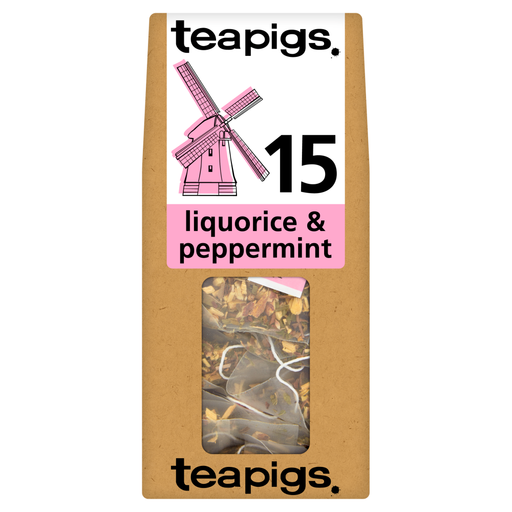
teapigs Liquorice & Mint, 15 tea bags
A liquorice-and-mint choice for someone who prefers that blend to plain peppermint. It contains liquorice, so the ingredient matters as much as the flavour: teapigs advises people with hypertension to limit its Liquorice & Peppermint tea to one cup a day.
View on Joybuy
 No image available
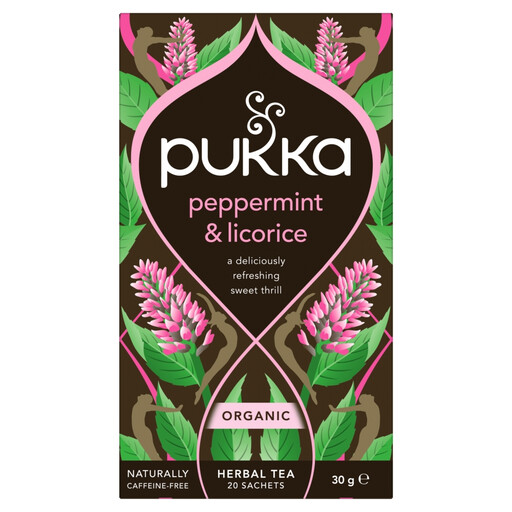
Pukka Peppermint & Liquorice Organic Herbal Tea, 20 sachets, 30g
A peppermint-and-liquorice blend for guests who specifically want both ingredients. Do not treat it as interchangeable with plain peppermint; check the pack’s preparation directions and liquorice warning before serving it to someone with high blood pressure.
View on Joybuy
 No image available
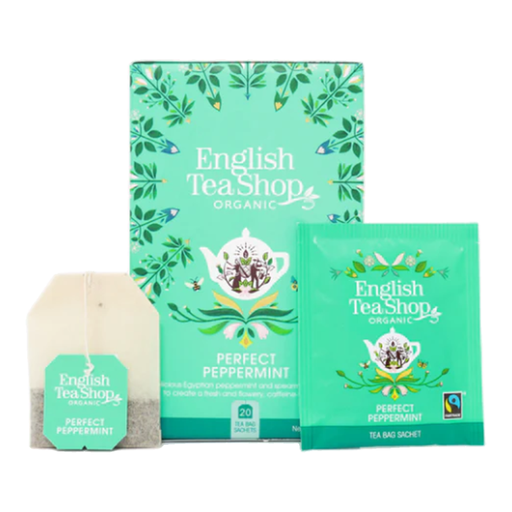
English Tea Shop Organic Perfect Peppermint, 20g
A mint-led infusion for guests who prefer that flavour to liquorice or ginger. Check the pack for its ingredients and brewing directions if a pronounced cup matters, and offer another flavour to anyone who finds peppermint aggravates their reflux.
View on Joybuy
Questions about serving herbal tea
How can I make a peppermint infusion taste stronger?
Follow the directions for the particular tea before changing the number of bags. teapigs advises brewing its peppermint for 3+ minutes, Twinings permits a longer infusion than three minutes for a stronger Pure Peppermint cup, and Clipper gives a 2–5 minute range for its Organic Peppermint Infusion. Do not apply one blend’s directions to another.
Is plain peppermint always preferable to liquorice-and-mint for an older guest?
No: plain peppermint avoids liquorice, but the guest’s own needs still matter. teapigs advises people with hypertension to limit its Liquorice & Peppermint to one cup a day; University Hospitals Coventry and Warwickshire NHS Trust says some people managing reflux may benefit from cutting down on peppermint.
What if a guest takes regular medicines?
Check the exact tea ingredients against their medicines rather than assuming that ‘herbal’ means suitable. The NHS cautions that herbal products are not suitable for everybody; a pharmacist or clinician can advise on the particular blend and medicines.
What should I check before serving a ginger-and-turmeric blend?
Check whether the guest takes medicines that could raise an interaction concern. The Welsh Medicines Advice Service advises caution with turmeric or curcumin alongside anticoagulant or antiplatelet medicines, while noting limitations in the interaction evidence. Pukka’s Three Ginger contains turmeric as well as ginger and galangal.


