Shoppers asking for bold flavour
These customers may mean ginger spice, liquorice sweetness or a pronounced mint taste when they say “strong”. Asking which flavour they have in mind is more useful than relying on a strong-tea label.


For a retirement-shop range aimed at shoppers who ask for strong herbal tea, consider a spicy ginger infusion and a sweet liquorice-led blend rather than treating every herbal tea as equally bold. Keep peppermint or a mixed selection for different flavour preferences, and make ingredient warnings easy to check: liquorice is not a suitable default recommendation for everyone.
A small retirement-shop range can serve requests for bold flavour while leaving room for shoppers who prefer a simpler infusion or need to examine the ingredients.
These customers may mean ginger spice, liquorice sweetness or a pronounced mint taste when they say “strong”. Asking which flavour they have in mind is more useful than relying on a strong-tea label.
Flavour choice can matter when selecting drinks to have regularly. The British Dietetic Association notes that older adults can be at higher risk of dehydration and may need reminders to drink throughout the day; a shop should not turn that general guidance into a claim about a particular tea.
Someone managing hypertension or taking medicines may need to read the full ingredient list and product cautions before choosing a blend. This matters particularly for liquorice-containing options, for which Clipper publishes a specific warning.
Start with the flavour customers actually request, then check caffeine statements and ingredient cautions on each product. Use a mixed pack for variety, not as the only answer to a request for a bold cup.
| Priority | What to check | Shopper need |
|---|---|---|
| Bold flavour | Compare named ingredients and the maker’s flavour description. Twinings describes Spiced Ginger as fiery and peppery; Clipper lists its Liquorice and Mint blend as 60% liquorice root and 40% peppermint. | “I’m after ginger heat or a sweet liquorice taste, not just any herbal infusion.” |
| Caffeine status | Check the statement on the individual pack or product page. Do not extend a caffeine-free claim from one infusion to every tea made by the same brand. | “If I want a caffeine-free drink, I need to know that this particular blend is labelled that way.” |
| Ingredient cautions | Keep the full ingredient list and warnings visible. Clipper advises people with hypertension to avoid excessive consumption of its liquorice infusion and advises people who are pregnant, have hypertension or take medication to seek medical advice. | “Before choosing a liquorice blend, I want to check whether its ingredients and cautions matter to me.” |
| Variety | Check which flavours a collection contains and whether portions are individually wrapped. Twinings’ Fruit & Herbal Classic Collection contains peppermint, lemon and ginger, camomile, and strawberry and raspberry in separate envelopes. | “I’d rather try several flavours before settling on one, even if some are gentler than the strong cup I first asked for.” |
| Preparation | Read the directions for the exact product, including whether it is an infusion bag, loose tea or an instant drink. Where the maker allows a longer infusion, follow its directions rather than assuming every blend will respond alike. | “I want a preparation method I’ll use, as well as a flavour I enjoy.” |
A caffeine statement for one product does not establish the status of another blend, even under the same brand.
Check each pack before placing it in a caffeine-free section, particularly when its ingredients differ from those of a straightforward herbal infusion.
Liquorice offers a distinct sweet flavour, but Clipper warns people with hypertension against excessive consumption of its liquorice infusion and gives further advice for people who are pregnant or take medication.
Keep pack warnings visible and suggest that shoppers with suitability questions speak to a pharmacist or clinician rather than recommending the blend to everyone.
Descriptions such as spicy, minty or floral tell shoppers about the cup; they do not establish that an infusion treats a symptom or condition.
Describe verified ingredients, flavour and preparation instead of promising a medical effect.
A selection box can include fruit or camomile infusions alongside ginger or mint. It offers variety, but not necessarily a repeatable choice of one bold flavour.
If shoppers specifically request ginger heat or liquorice sweetness, consider a dedicated flavour alongside the mixed box, with the relevant ingredient cautions retained.
These brand examples illustrate different flavour and pack formats; check the exact product rather than applying one blend’s ingredients or warnings to a whole range.
Its Spiced Ginger provides a ginger-and-spice option, while the Fruit & Herbal Classic Collection covers several gentler and fruit-led flavours.
Its peppermint infusion and Liquorice and Mint blend offer different answers to a request for herbal flavour.
Pukka’s herbal range includes ginger and mint blends, as well as a selection format for shoppers exploring flavours.
Its chamomile provides a different flavour direction from the ginger- and liquorice-led choices.
These options cover ginger drinks, a liquorice-and-mint infusion and a hibiscus-and-ginger blend for a retirement-shop herbal-tea range. Compare their formats and ingredients before deciding which answer a shopper’s idea of “strong”.
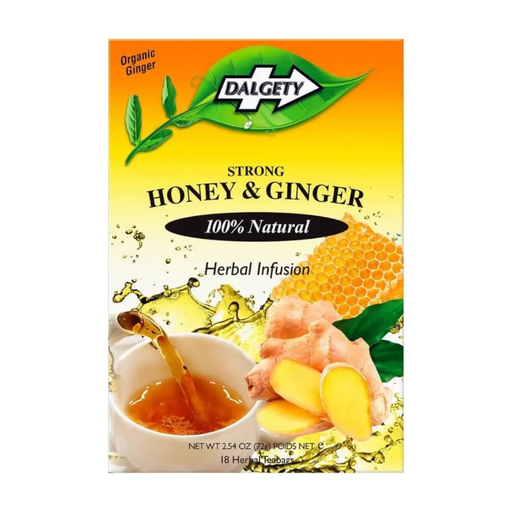 No image available
A ginger option to consider when a shopper wants a sweet-spicy drink rather than an unsweetened infusion.
Contains honey crystals and sucrose. Check the pack directions before explaining how to prepare it.
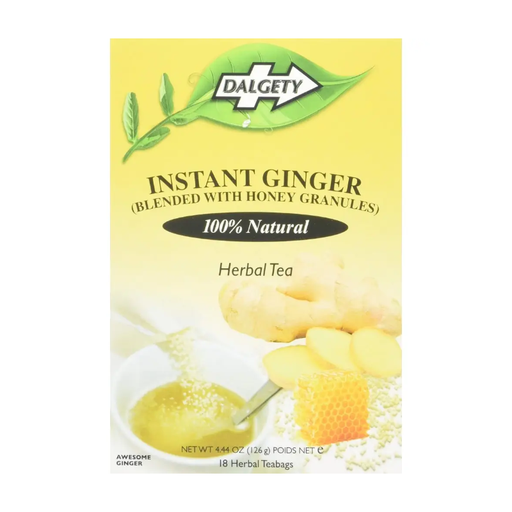 No image available
Consider this instant format where preparing a ginger drink without steeping a tea bag is the preference.
The product information lists honey and sucrose, each at 20%. Check the pack for the amount to use per serving.
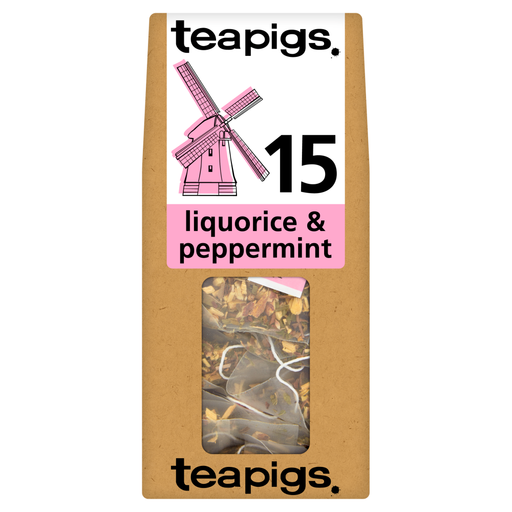 No image available
A liquorice-and-mint choice for shoppers seeking sweetness with a mint flavour rather than ginger spice.
Because it contains liquorice, keep its ingredient list and current pack cautions available, particularly for shoppers asking about hypertension or medication.
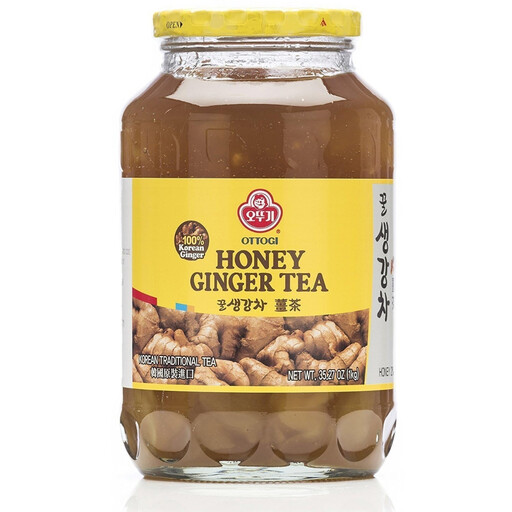 No image available
The 1KG pack is worth comparing with smaller ginger options when pack size matters to the shop.
Check its caffeine statement and preparation directions on the current pack before describing either to shoppers.
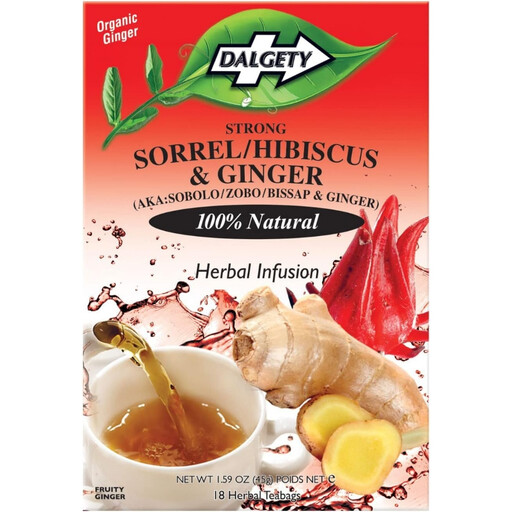 No image available
This loose-tea option combines hibiscus and ginger for shoppers considering a different flavour from a ginger-only drink.
Preparation involves measuring and straining the tea. Check the pack if the strength of its ginger flavour is central to the choice.
Follow the directions for the particular blend. Twinings allows a longer infusion for its Spiced Ginger when a stronger cup is wanted, but extra time will not give a light peppermint or floral infusion the same flavour as a ginger-led blend.
No. Clipper warns people with hypertension to avoid excessive consumption of its liquorice infusion and advises people who are pregnant, have hypertension or take medication to seek medical advice. Keep the warning and full ingredients available so shoppers can assess the exact product.
Ask them to check the blend’s ingredients and cautions, and to speak to a pharmacist, GP or relevant clinic about personal suitability rather than relying on a shop recommendation. The NHS specifically advises people taking anticoagulants to seek professional advice before taking another remedy or supplement.
A choice of enjoyable drinks can be useful, but no particular herbal tea should be presented as a treatment. The British Dietetic Association notes that older adults can be at higher risk of dehydration and may need reminders to drink regularly; individual fluid advice can differ for medical reasons.
No treatment claim follows from a blend’s flavour or ingredients. Describe what the product contains, how it tastes according to its maker and how to prepare it, without promising an effect on sleep, digestion or another health condition.