
24/7 Customer Support

Free returns

Same-day & Next-day Delivery

Quality Guaranteed

Unlock Your Welcome Offers: FREE Delivery | Up to 80% OFF | Free 30-day JoyPlus trial
Download the APP
As a Joybuy Product Recommendation Officer, my role is to help you navigate the crowded shelves and find products that genuinely deliver on their promise. The world of herbal tea is a perfect example—a space filled with vibrant packaging and appealing claims. But how do you choose a blend that offers a truly satisfying experience without falling for common marketing traps?
Many of us reach for a caffeine-free tea as a comforting daily ritual, whether it's to unwind in the evening or to seek a moment of wellness during a busy day. However, not all herbal infusions are created equal. Before you add a new box to your basket, let's look at a few pitfalls that can lead to a disappointing purchase.
To ensure your next cup is flavourful and meets your expectations, focus on these key parameters. They are far more telling than the marketing copy on the front of the box.
The ingredients list is your most reliable guide. Look for specific, whole ingredients listed first. For example, in a lemon and ginger tea, you should see "Ginger Root" and "Lemon Peel" high on the list, not just "Natural Lemon Flavouring." The same applies to a classic peppermint tea; the primary ingredient should simply be "Peppermint Leaves." When real botanicals are the main event, you get a more authentic and robust flavour.
If you are seeking a tea for a specific purpose, such as a sleep tea or an immune support tea, look for blends that contain well-known botanicals associated with those functions.
Always check that the tea is explicitly labelled as caffeine-free tea if you plan to drink it in the evening. While most herbal infusions are, some blends use green tea or other caffeinated bases.
Based on ingredient quality and clear purpose, here are a few recommendations matched to different needs and preferences.
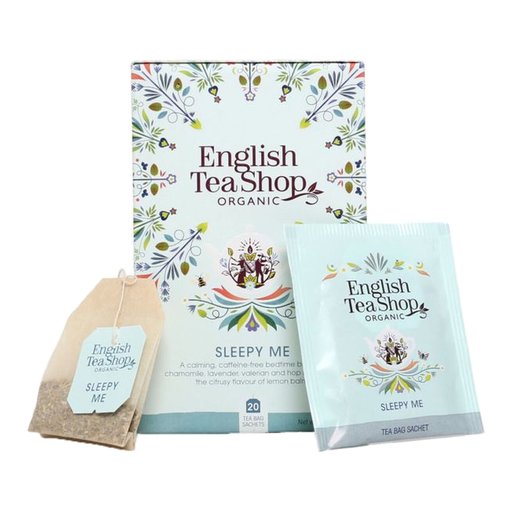
Why This Fits Their Persona: This is for the person who wants to create a peaceful ritual before bed. The blend is specifically designed for evening enjoyment, using a classic combination of herbs to help them switch off from the day.
It avoids the "flavouring" trap by using a high percentage of real, organic herbs. The ingredients are clear: Chamomile (62%), lavender (12%), hop leaves (11%) and valerian roots (11%).
A harmonious, caffeine-free blend of traditionally used calming herbs. It is also certified organic, appealing to those who prioritise this standard.
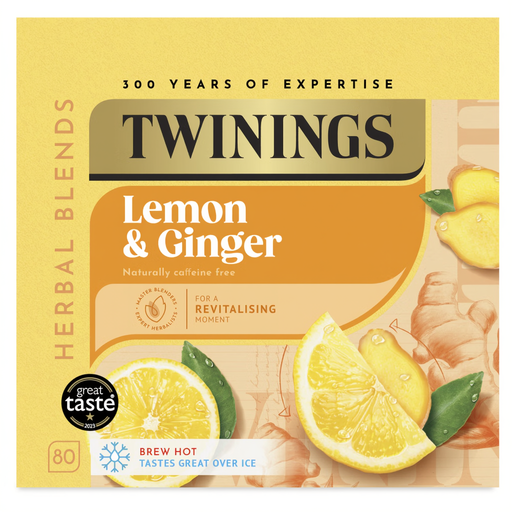
Why This Fits Their Persona: This is for the daily tea drinker who loves a classic, invigorating flavour. They want a reliable, warming cup that tastes exactly as it should, and they get through a lot of it.
The blend leads with a high percentage of real ginger root (37%) and includes actual lemon peel, ensuring an authentic, zesty and spicy flavour rather than a perfumed imitation.
A classic, robust flavour profile that is both warming and refreshing. The large 80-bag pack size offers great value for money for those who enjoy this tea regularly.
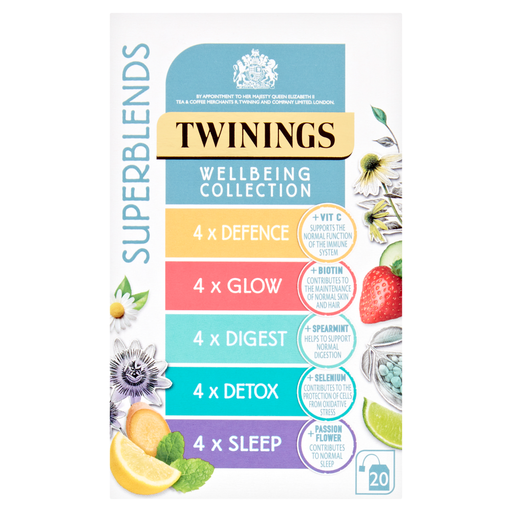
Why This Fits Their Persona: This person is looking to integrate functional beverages into their daily routine. They enjoy variety and want to try different blends targeted at specific feelings or moments, from 'Glow' to 'Defence'.
It sidesteps vague wellness claims by offering specific blends, some of which are fortified with vitamins or minerals (like Biotin or Selenium) that have regulated functions, providing a clear, objective benefit.
This collection allows you to sample five different functional blends in one purchase, making it easy to discover which ones you enjoy most before committing to a full box.
We have compiled a complete, real-time list of products that fully satisfy these strict selection criteria and UK safety regulations.
1. How long should I steep herbal tea? Most herbal tea bags suggest a steeping time of 3-5 minutes in freshly boiled water. However, unlike black tea, herbal infusions rarely become bitter if left for longer. For a stronger flavour, especially with robust ingredients like ginger or delicate ones like chamomile, you can steep for up to 10 minutes. It's a good idea to cover your cup while it steeps to keep the aromatic oils from escaping with the steam.
2. Is organic herbal tea always a better choice? Not necessarily. An organic tea certification ensures the ingredients were grown without certain synthetic pesticides and fertilisers, which is a priority for many people. However, it isn't an automatic guarantee of superior flavour or quality. A non-organic tea from a reputable producer that uses high-quality, whole-leaf botanicals can often provide a more satisfying taste than a lower-grade organic tea that uses powdered ingredients. The key is to check the ingredients list for quality and transparency first.
3. Can I drink herbal tea every day? For most common herbal teas like peppermint, chamomile and ginger, daily consumption is generally considered fine for most people as part of a balanced diet. They are a great way to stay hydrated. However, some functional blends, especially those with very active botanicals or added vitamins, may come with a recommendation for the number of cups to consume per day. Always check the packaging for any specific guidance from the manufacturer.