
24/7 Customer Support

Free returns

Same-day & Next-day Delivery

Quality Guaranteed

Unlock Your Welcome Offers: FREE Delivery | Up to 80% OFF | Free 30-day JoyPlus trial
Download the APP
Choosing an herbal tea should be simple, but attractive packaging and broad wellness language can make comparison difficult. UK shoppers often want a caffeine-free drink for evenings, a warming ginger tea after meals or a refreshing alternative to soft drinks. The challenge is finding a product that matches your routine without paying for features you will not use.
Joybuy Product Recommendation Officer guidance focuses on the details that matter: ingredients, preparation method, sugar content, pack size and storage.
Most pure peppermint, chamomile and ginger infusions do not naturally contain caffeine. However, some blends marketed as herbal drinks may include green tea, black tea, mate or other caffeinated ingredients. Always check the full ingredients list rather than relying only on the front of the box.
A caffeine-free tea can be suitable for evening use, but the product should clearly identify its ingredients and preparation instructions.
Ginger tea, turmeric tea, moringa tea and hibiscus tea are often associated with digestion, relaxation or general wellness. These descriptions may reflect cultural or traditional use, but they should not be treated as medical advice or guaranteed results.
Choose according to flavour and drinking habits first. If you take medication, are pregnant or breastfeeding, or have a health condition, check with a qualified healthcare professional before regularly consuming concentrated herbal products.
Tea bags and loose herbs generally produce a low-calorie infusion when prepared with water. Instant herbal tea and Korean tea concentrates can be different. Jujube and ginger products may contain sugar, honey or naturally concentrated fruit sugars, which can significantly change the drink’s nutritional profile.
Check the ingredients and nutrition panel before choosing a large jar or pouch for daily use.
For a genuinely caffeine-free drink, look for products made entirely from herbs, roots, flowers, fruit or spices. Useful options include:
Check whether the product is a tea bag, loose blend or instant herbal tea, as preparation and serving size will differ.
Tea bags are convenient for work, travel and portion control. Loose blends can offer flexible strength, but require a strainer or infuser. Instant products dissolve in hot or cold water and are useful when speed matters.
Follow the pack instructions. Many herbal tea bags need three to seven minutes of steeping, while loose hibiscus or spice blends may need straining. If you use boiling water, allow the drink to cool before drinking.
Compare the number of servings rather than the front-of-pack weight alone. A 20-bag carton is practical for occasional use, while a 1kg Korean tea concentrate may suit a household that drinks it regularly.
For concentrates and pouches, check:
“Organic” should be supported by appropriate certification on the product packaging. Vegan, halal and gluten-free suitability should also be confirmed from the label, especially for flavoured or imported products.
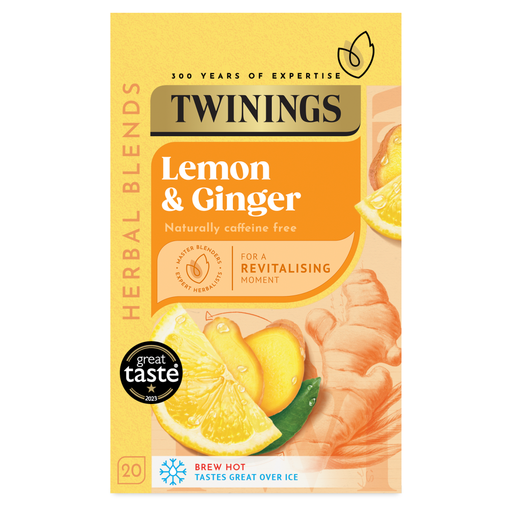
Why This Fits Their Persona: A straightforward 20-bag option for shoppers trying lemon and ginger tea without committing to a large pouch or concentrate.
The ingredients are listed clearly, including 37% ginger root and lemon peel, and the infusion is identified as caffeine-free.
20 individual tea bags; suitable for hot preparation; approximately 2 kcal per 100ml brewed infusion.
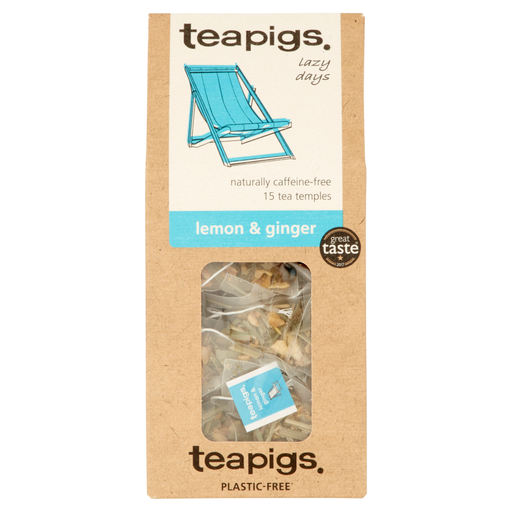
Why This Fits Their Persona: A whole-herb format for shoppers who prefer a fuller infusion and a more distinctive tea-making ritual.
The blend lists ginger, lemongrass, lemon peel and liquorice root, rather than relying only on vague flavour descriptions.
15 biodegradable tea temples; naturally caffeine-free; suitable for hot or iced preparation.
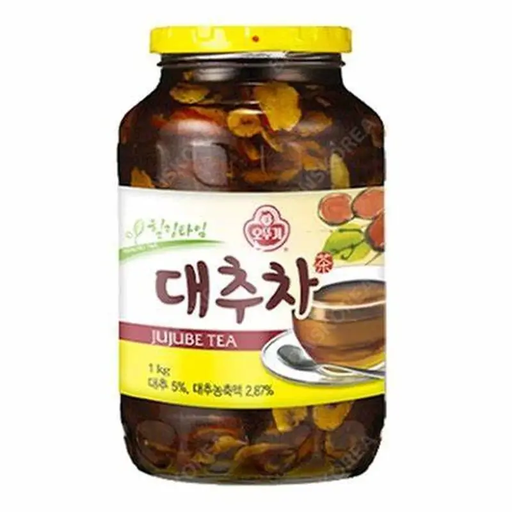
Why This Fits Their Persona: A Korean tea concentrate for households that prepare larger quantities and enjoy naturally sweet, mellow drinks.
It is clearly labelled as 100% jujube extract, while the nutrition information shows 65g of sugars per 100g, making the sweetness visible before purchase.
1kg format; dissolves in hot or cold water; can also be used in smoothies or desserts.
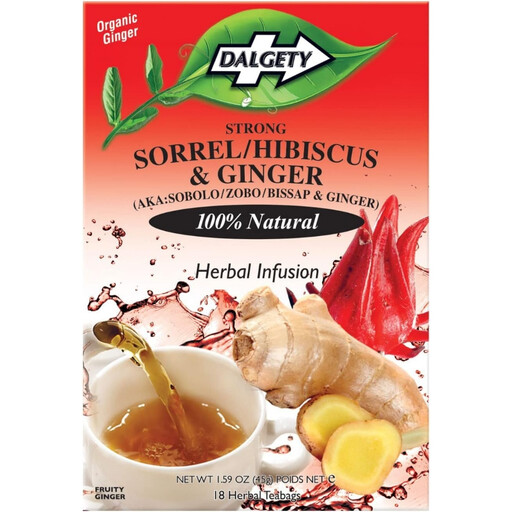
Why This Fits Their Persona: Suitable for shoppers who prefer a bright, tangy Caribbean-inspired infusion that can be served hot or chilled.
The ingredients identify roselle, hibiscus and ginger, and the preparation method explains how to make both hot and iced versions.
Caffeine-free herbal blend; 45g pack; suitable for hot brewing or serving over ice.
We have compiled a complete, real-time list of products that fully satisfy these strict selection criteria and UK safety regulations.
Pure peppermint, chamomile, ginger, hibiscus and moringa infusions are typically caffeine-free. Always check the ingredients, as a mixed drink containing black tea, green tea or mate will not have the same caffeine status.
Many people include herbal tea in their everyday drinks routine, but suitability depends on the ingredients and your personal circumstances. Read the label, vary your choices and take additional care with concentrated products, liquorice-containing blends or products with high sugar content.
Tea bags often make serving size and preparation easier, while loose tea can provide more control over strength. Instant herbal tea may be convenient for larger drinks but can contain added sugar. Compare the number of servings, ingredients and storage requirements rather than pack weight alone.