Hosts serving different tastes
If friends do not all want coffee, a milk-friendly rooibos and a contrasting mint, chamomile or fruit infusion offer distinct choices. Check the caffeine statement on each pack rather than relying on the flavour name.


For a coffee catch-up, offer an infusion explicitly labelled caffeine-free and give guests a choice of flavours. Rooibos suits someone who wants a tea-style cup that can be served with milk, while mint or chamomile offers a contrasting option. Choose decaffeinated conventional tea when its familiar flavour matters more than avoiding caffeine completely, and check the exact pack’s caffeine statement and ingredients before serving.
If friends do not all want coffee, a milk-friendly rooibos and a contrasting mint, chamomile or fruit infusion offer distinct choices. Check the caffeine statement on each pack rather than relying on the flavour name.
Look for an explicit caffeine-free statement on the exact product. Twinings notes that blends containing mate or guarana can contain caffeine, while its decaffeinated conventional teas are decaffeinated to 0.2% rather than described as caffeine-free.
Rooibos, also called redbush, is a naturally caffeine-free option. Clipper and Twinings describe their respective rooibos products as suitable for serving with milk.
Decide whether the guest needs a caffeine-free drink or would accept decaffeinated tea, then choose flavours and portions that work for the gathering.
| Priority | What to check | Your needs |
|---|---|---|
| Caffeine status | Read the exact pack’s caffeine statement and check blended infusions for mate or guarana. Twinings says its decaffeinated conventional teas are decaffeinated to 0.2%. | If I need to avoid caffeine completely, I want a product explicitly labelled caffeine-free, not simply described as decaf. |
| Flavour and serving | Compare a milk-friendly rooibos with a distinct mint, chamomile or fruit flavour. Check serving suggestions for the particular product. | I would like friends to choose between a tea-style cup and a different herbal flavour. |
| Portions and brewing | Check the number of bags or sachets and follow each pack’s brewing instructions. Twinings describes its Redbush in envelopes; teapigs specifies one peppermint tea temple per person and a brew of at least three minutes. | Individual portions would let everyone choose a flavour without making a single pot for the group. |
| Ingredients | Read the full ingredient and allergen information on each pack, particularly for blends. Clipper’s Lemon & Ginger infusion, for example, includes liquorice root as well as its named flavours. | Before I serve a guest with an allergy or dietary requirement, I want to check the product they will actually drink. |
Twinings identifies mate and guarana as caffeine-containing exceptions among blends. Decaffeinated conventional tea is a separate option and may retain caffeine.
Check the explicit caffeine statement and ingredient list on the exact pack.
Rooibos served with milk offers a different cup from a mint or chamomile infusion; guests may not want the same flavour.
Consider two contrasting, individually portioned options so friends can choose their own drink.
A tea’s flavour or botanical ingredients do not establish a medical benefit. The NHS advises that herbal medicines need particular caution for people who are pregnant, breastfeeding or taking certain medicines.
Keep health claims off the drinks tray. If a guest has a specific medical concern about an ingredient, let them check it with a pharmacist or clinician.
A blended infusion can contain several botanicals and flavourings beyond those named on the front of the pack.
Keep the packaging available and check its ingredient and allergen information before serving someone with a relevant requirement.
Pukka Herbs UK lists a range of caffeine-free herbal blends, including its naturally caffeine-free Three Chamomile tea.
Twinings UK offers fruit and herbal infusions, naturally caffeine-free Redbush, and a separate decaffeinated tea range.
Clipper describes its rooibos and herbal-infusion ranges as caffeine-free options.
The teapigs UK peppermint product is a single-herb choice made with peppermint leaves.
These are individually portioned infusions for offering different caffeine-free flavours at a coffee catch-up. Check each product’s ingredients and pack instructions against your guests’ needs.
 No image available
A lemon-and-ginger blend for guests who want a different flavour from mint or chamomile. The listing describes it as naturally caffeine-free and gives 20 tea bags and a 3–5 minute brewing time. Check the ingredients, including sweet fennel, for individual dietary needs.
 No image available
A chamomile-led blend for a floral choice. The listing calls it caffeine-free, states 20 sachets and gives a 5–15 minute brewing range. Its ingredients include fennel, liquorice, vanilla and Manuka honey flavouring; check the full list for guests with dietary requirements. The listing advises consulting a healthcare professional before use during pregnancy or if there are health concerns.
 No image available
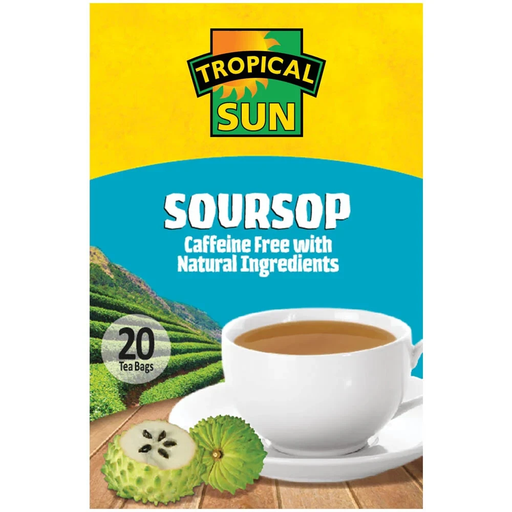
A soursop-leaf infusion for guests who want an alternative to the other flavours here. The listing describes it as caffeine-free and states 20 tea bags, with instructions for hot and cold preparation. Check the pack instructions for the method you choose.
 No image available
A mint choice to serve alongside a contrasting infusion. The listing identifies a caffeine-free, 100% peppermint infusion in a pack of 80 tea bags. Follow the brewing instructions on the pack when serving.
 No image available
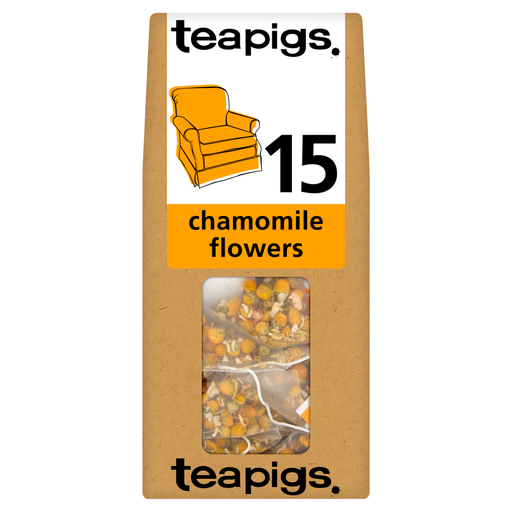
A floral, single-herb alternative to peppermint. The listing identifies 100% chamomile flowers, describes the infusion as caffeine-free and states 15 tea bags. Follow the brewing instructions on the pack.
No. Twinings identifies mate and guarana as caffeine-containing exceptions among blends. If a guest needs to avoid caffeine, check that the exact pack explicitly says caffeine-free or naturally caffeine-free; decaffeinated conventional tea is a different choice and may retain caffeine.
Yes, if the guest wants that serving style. Clipper describes its naturally caffeine-free rooibos as suitable with or without milk, and Twinings suggests a splash of milk with its Redbush. Check the directions for the product you buy.
Let guests choose individual bags or sachets and follow each product’s instructions rather than brewing every flavour for the same time. For example, teapigs specifies one peppermint tea temple per person and a brew of at least three minutes.
Check the ingredient and allergen information on the exact pack before serving it. A flavour name may not describe the whole blend: Clipper’s Lemon & Ginger infusion, for instance, also contains liquorice root and other ingredients.
Choose it as a drink, not as a treatment. NHS guidance cautions that herbal medicines are not suitable for everybody, including some people who are pregnant, breastfeeding or taking medicines. For a question about a particular ingredient and a guest’s circumstances, ask a pharmacist or clinician.