Desk workers avoiding lunchtime caffeine
Start with an infusion whose individual pack says naturally caffeine-free. Check the ingredients too, particularly when choosing a botanical blend rather than a single-ingredient tea.


Choose an infusion explicitly labelled naturally caffeine-free if avoiding caffeine matters more than keeping a traditional tea flavour. Choose decaffeinated black tea if you prefer that flavour and can accept that traces of caffeine may remain. For a short lunch break, check the individual pack’s ingredients and brewing instructions rather than relying on the words “herbal” or “decaf” alone.
Start with an infusion whose individual pack says naturally caffeine-free. Check the ingredients too, particularly when choosing a botanical blend rather than a single-ingredient tea.
Decaffeinated black tea keeps you in the conventional-tea category. Twinings notes that decaffeinated tea can retain minor traces of caffeine, so it is a different choice from an infusion labelled naturally caffeine-free.
A single-ingredient peppermint infusion makes its botanical content straightforward to identify. For any tea, read the full ingredients and allergen information if you need to avoid something specific.
Choose it when: avoiding caffeine takes priority over a conventional black-tea flavour.
Trade-off: the flavour comes from the listed herbs or fruit, which vary from blend to blend.
Choose it when: you want black tea rather than a botanical infusion.
Trade-off: Twinings says decaffeinated tea can retain minor caffeine traces.
| Priority | What to check | Your needs |
|---|---|---|
| Caffeine status | Check the individual pack’s caffeine wording and ingredients. Twinings distinguishes decaffeinated tea, which can retain traces, from its naturally caffeine-free fruit and herbal infusions. | I want an infusion labelled naturally caffeine-free, rather than assuming that any tea described as decaf meets that aim. |
| Brewing time | Check the stated time and whether you can make the drink with a bag, mug and hot water. Clipper lists 2–5 minutes for Organic Peppermint; teapigs lists at least 3 minutes for its Peppermint tea temples. | My lunch break is short, so I need a brewing instruction that fits the time I have at my desk. |
| Flavour | Compare the named ingredients with the type of drink you want: peppermint, chamomile and decaffeinated black tea are distinct options. | If I want a familiar black-tea flavour, a peppermint or chamomile infusion is not the same choice. |
| Ingredients | Read the complete ingredient list and allergen information on the current pack. A single-herb product is simpler to compare, but its ingredient still needs to suit you. | When I need to avoid a particular botanical or allergen, the exact blend matters more than the broad “herbal tea” label. |
Black tea and decaffeinated black tea have different caffeine profiles from an infusion labelled naturally caffeine-free.
Use the caffeine statement on the individual pack, then read the ingredients of any herbal or fruit blend.
Twinings says minor traces can remain after tea is decaffeinated. That distinction matters if you have a particular caffeine threshold.
Check the current pack or ask the manufacturer about the specific product rather than inferring a caffeine amount from the category name.
Herbal blends can contain several botanicals, so the broad flavour name may not tell you everything in the cup.
Read the full list. If a specific ingredient raises a personal safety concern, seek appropriate professional advice rather than treating “herbal” as a suitability guarantee.
Bag counts and formats differ: a pack of tea temples and a larger box of conventional tea bags are not identical purchases.
Compare the number of servings, bag format and ingredients alongside the current pack details.
These ranges illustrate different ways to choose between herbal infusions and decaffeinated tea; a brand name alone does not establish the ingredients or caffeine status of every pack.
Pukka has a caffeine-free herbal-tea collection that includes botanical and fruit-led blends.
Twinings offers both fruit and herbal infusions and decaffeinated conventional tea.
Clipper offers herbal infusions as well as decaffeinated black tea.
teapigs offers a Peppermint tea temple made with pure peppermint leaves.
Tesco’s grocery range includes an own-label peppermint tea alongside branded tea options.
These bagged options cover herbal infusions for buyers avoiding caffeine and one decaffeinated black tea for buyers who prefer a conventional tea flavour. Check each pack’s ingredients and brewing instructions against the time available for your lunch.
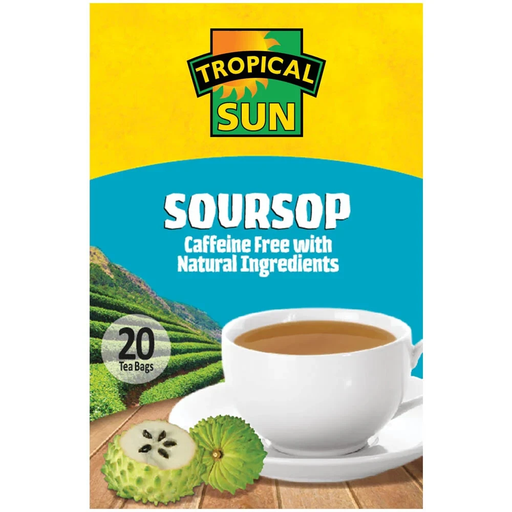 No image available
A bagged herbal option for a desk break when a 3–5 minute steep fits your schedule. The product description calls it caffeine-free and lists soursop leaves as the sole ingredient; check the pack if you need to avoid that botanical.
 No image available
This bagged infusion is described as naturally caffeine-free, with a stated 3–5 minute brew. It is a multi-ingredient blend that includes ginger root, lemon peel, lemongrass and sweet fennel, so check the full list if you avoid particular botanicals.
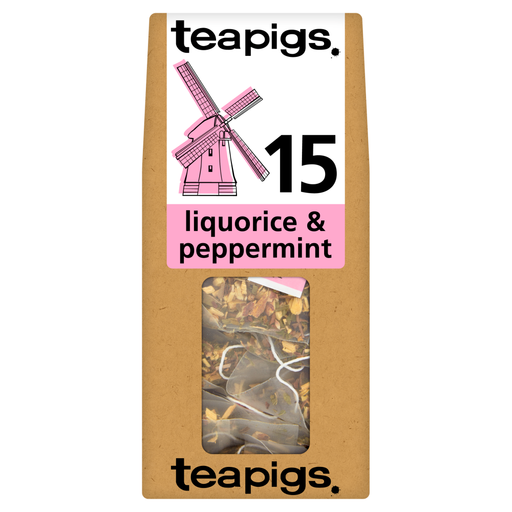 No image available
A caffeine-free herbal blend with a stated 3–5 minute steep. Its listed ingredients are liquorice root (70%) and peppermint leaves (30%); check the pack if you need to avoid liquorice.
 No image available
This larger bagged pack is described as a caffeine-free peppermint infusion, with 100% peppermint listed as its ingredient. If brewing time determines whether it fits your lunch break, check the instructions on the pack.
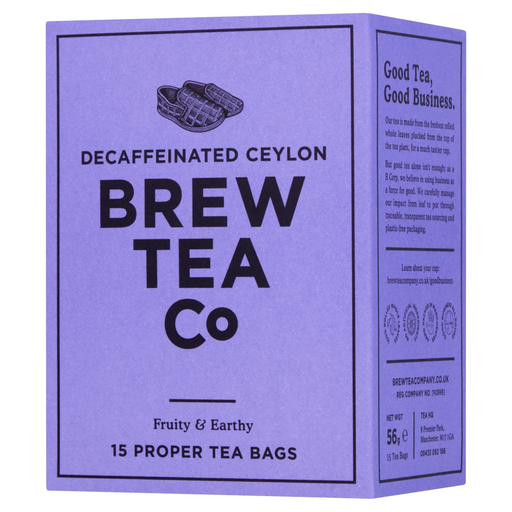 No image available
Choose this bagged black tea if you prefer conventional tea to a botanical infusion. Its description identifies Ceylon black tea and a CO2 decaffeination method. Decaf tea can retain caffeine traces; check the current pack or ask the manufacturer if you need a particular threshold, and check its brewing instructions if steeping time is important.
No. Twinings explains that decaffeinated tea can retain minor caffeine traces, whereas its fruit and herbal infusions are described as naturally caffeine-free. Check the individual product’s label and ingredients before choosing.
Compare the time on the pack with the break you have. Clipper gives a 2–5 minute instruction for Organic Peppermint, while teapigs says to brew its Peppermint tea temples for at least 3 minutes; both assume you have a mug and hot water available.
Yes: read the complete ingredients of the specific tea and seek advice about any personal concern. NHS cautions about the suitability of herbal medicines in circumstances including pregnancy and use alongside some medicines; that guidance does not establish a safety judgement for every herbal tea.
Check the current pack’s ingredients and allergen information, particularly for a blend with several components. If ordering groceries online, compare that information with the product listing and check the pack when it arrives.