Who might prefer each tea?
For a working-from-home lunch, flavour preference and the ingredient list are more useful starting points than an after-meal claim.
People changing their afternoon drink
If you want a drink without tea caffeine, check the exact blend rather than assuming every tea on the shelf is caffeine-free. The Twinings Lemon & Ginger, Teapigs Peppermint and Clipper Organic Peppermint products described by their makers are naturally caffeine-free.
Mint drinkers after lunch
A layered mint blend offers a different ingredient mix from peppermint on its own. Pukka lists peppermint, spearmint and field mint in Three Mint; Teapigs and Clipper list peppermint alone in their respective peppermint infusions. If a drink aggravates your reflux, take that personal trigger into account.
People who compare ingredients closely
Choose by what is actually in the cup. A peppermint-only infusion has a shorter ingredient list than the Twinings Lemon & Ginger blend, which lists ginger root, lemon flavourings, lemongrass, blackberry leaves, lemon peel and sweet fennel.
What should you check before choosing?
Start with the flavour you would enjoy at lunch, then check caffeine wording and the full ingredient list on the product you intend to buy.
| Priority | What to check | Your needs |
|---|
| Mint flavour |
Compare a blend of named mints with a product listing peppermint as its sole ingredient. Check the full list if you want to avoid other botanicals. |
I would enjoy a cooling cup after lunch, but want to decide whether several mints or plain peppermint sound more appealing. |
| Citrus and ginger |
Read the complete list, not just the flavour name. Twinings UK lists ginger root, lemon flavourings, lemongrass, blackberry leaves, lemon peel and sweet fennel in Lemon & Ginger. |
For my lunch break, I would rather have citrus and spice than a mint-only drink. |
| Caffeine status |
Check the caffeine statement on the exact pack, particularly when considering a different flavour or a blend containing black or green tea. |
I am replacing a caffeinated afternoon drink and want to know what this particular infusion contains. |
| Ingredient cautions |
Look for liquorice in the ingredient list and read any pack warning. Yogi Tea warns that people with hypertension should avoid excessive consumption of its liquorice-containing Ginger Lemon blend. |
I need to check whether a blend contains an ingredient that matters for my circumstances. The British Heart Foundation notes that glycyrrhizin in liquorice can raise blood pressure. |
| Preparation |
Check the pack directions for brewing and, if you want a cold drink, whether chilled preparation is described. Teapigs specifies a brew of three minutes or longer for its Peppermint Tea. |
Some lunch breaks call for a hot cup; on other days I may want to prepare a drink to chill. |
Brand and blend references
These examples show how specific blends differ; a characteristic of one product does not apply to every tea from its brand.
Pukka
Pukka Three Mint is a layered-mint example for a lunch-time cup.
- Pukka Herbs UK identifies peppermint, spearmint and field mint in the blend.
- Pukka positions it for drinking after eating; that positioning is not evidence that it treats digestive symptoms.
Twinings
Twinings Lemon & Ginger offers a citrus-and-spice alternative to mint-only tea.
- Twinings UK describes the 20-tea-bag product as naturally caffeine-free and lists ginger, lemon ingredients, lemongrass and sweet fennel.
- Its multiple ingredients will not suit someone specifically seeking a single-herb infusion.
Teapigs
Teapigs Peppermint Tea is a peppermint-only option sold in a 15-tea-temple format.
- Teapigs lists pure peppermint leaves, naturally caffeine-free status and a brew of three minutes or longer.
- A single-herb infusion will not provide the citrus or mixed-mint ingredients found in the other examples.
Clipper
Clipper Organic Peppermint Infusion is another option to examine when ingredient simplicity matters.
- Clipper lists peppermint as 100% of its ingredients and describes the infusion as naturally caffeine-free.
- It does not contain the ginger-and-lemon ingredients of a citrus-spice blend.
Yogi Tea
Yogi Tea Ginger Lemon is a blended ginger-and-citrus option whose ingredient warning deserves attention.
- Yogi Tea describes this specific product as naturally caffeine-free.
- It contains liquorice; Yogi Tea warns that people with hypertension should avoid excessive consumption.
Herbal tea options on Joybuy
These options cover lemon-and-ginger and mint teas, plus a soursop tea for a different flavour direction. Compare the exact pack’s ingredients and caffeine statement with what you want from a lunch-time drink.
 No image available
Twinings Lemon & Ginger Tea Bags, 20 Pack
Consider this for a citrus-and-ginger lunch-time cup rather than a mint-only infusion.
Twinings UK describes this 20-tea-bag blend as naturally caffeine-free and lists ginger root, lemon flavourings, lemongrass, blackberry leaves, lemon peel and sweet fennel. Check that multi-ingredient list if you are looking for a single-herb tea.
View on Joybuy
 No image available
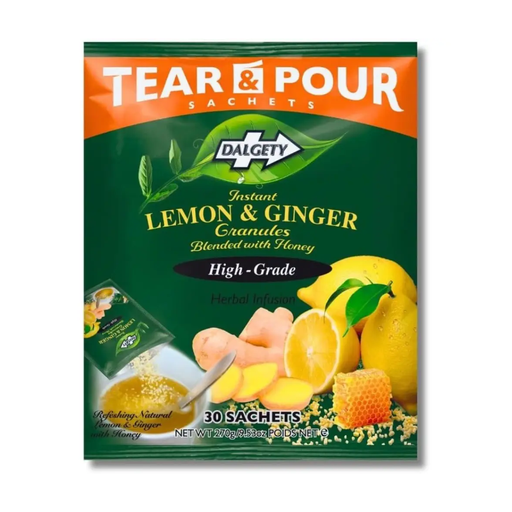
Dalgety Lemon & Ginger Tea Pouch, 270g
The named lemon-and-ginger flavour makes this a pouch to consider if you prefer citrus and spice to mint at lunch.
The pouch is labelled 270g. Check its ingredient and caffeine statements, along with the amount to use and brewing directions, on the exact pack.
View on Joybuy
 No image available
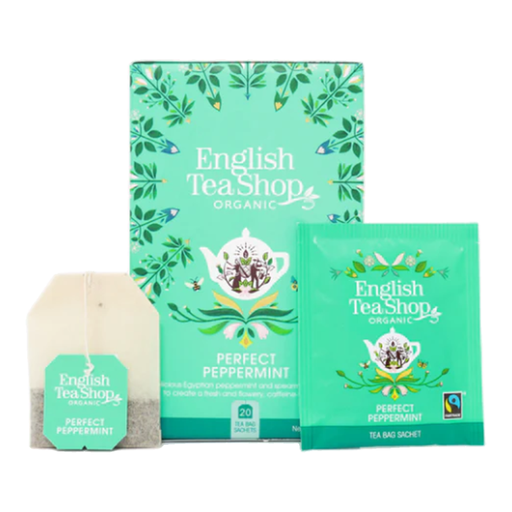
English Tea Shop Organic Perfect Peppermint, 20g
This peppermint-named tea belongs in the mint-flavour shortlist for a working-from-home lunch.
The listed pack is 20g. Check the full ingredient panel if you specifically want peppermint alone rather than a mint blend, and follow the pack’s brewing directions.
View on Joybuy
 No image available
Tropical Sun Soursop Tea, 20 Tea Bags
Consider this only if you want to explore a flavour other than the mint and lemon-and-ginger routes.
The title identifies a 20-tea-bag pack. Check the exact pack’s ingredient list, caffeine statement and preparation directions before choosing it as an afternoon drink.
View on Joybuy
 No image available
Twinings Pure Peppermint, 80 Pack
The peppermint flavour makes this an option to consider for a mint cup after lunch.
The product title specifies an 80-pack. If a single-ingredient infusion is your priority, confirm the ingredient panel on this exact pack; check its caffeine statement and brewing directions too.
View on Joybuy
Common questions
Which herbal tea has the shortest ingredient list?
For the specific products described by their makers, Teapigs Peppermint Tea and Clipper Organic Peppermint Infusion each list peppermint alone. Check the exact pack when buying, rather than assuming another peppermint-named product has the same ingredients.
Are these herbal teas caffeine-free?
Twinings UK describes its Lemon & Ginger blend as naturally caffeine-free, as do Teapigs and Clipper for their specified peppermint products; Yogi Tea also labels Ginger Lemon naturally caffeine-free. Check the statement on the exact product you choose, especially if it is a different flavour or includes conventional tea.
What should I check if a blend contains liquorice?
Read the product warning and consider your own circumstances. Yogi Tea warns that people with hypertension should avoid excessive consumption of its liquorice-containing Ginger Lemon blend, while the British Heart Foundation explains that glycyrrhizin in liquorice can raise blood pressure. Seek individual clinical advice if you are unsure whether liquorice is appropriate for you.
What if mint tea seems to worsen my reflux?
Choose a drink that does not aggravate your symptoms rather than persisting with mint for an assumed after-meal benefit. Royal Papworth Hospital NHS Foundation Trust advises that reflux triggers vary between people and recommends paying attention to the foods and drinks that make your symptoms worse; seek clinical advice for persistent reflux.
Can an after-meal herbal tea treat digestive symptoms?
Do not treat after-meal wording as evidence of a treatment effect. Choose an infusion as a drink for its flavour and ingredients, and seek medical advice about persistent symptoms rather than using tea in place of assessment or treatment.


