Households avoiding caffeine
If you are stocking drinks for different times of day, look for a caffeine-free statement on each herbal or fruit infusion you choose. Do not rely on the name of the tea aisle or the brand alone.


Choose a herbal or fruit infusion with an explicit caffeine-free statement when avoiding caffeine is the priority. Choose decaffeinated black tea if you want a conventional tea base instead; it is a different product from a herbal infusion. Before buying several boxes, compare tea-bag counts and read the full ingredients, particularly on blends with several botanicals.
The useful distinction is between a caffeine-free infusion and tea made from decaffeinated black tea leaves, not simply between brands.
If you are stocking drinks for different times of day, look for a caffeine-free statement on each herbal or fruit infusion you choose. Do not rely on the name of the tea aisle or the brand alone.
If you want a black-tea base rather than mint, fruit or another botanical infusion, check for decaffeinated black tea in the product description and ingredients.
If a blend appeals to you for its flavour or the time you plan to drink it, read every botanical ingredient. The name on the front may not describe the whole blend.
Decide which kind of drink the household wants, then check the exact product before settling on a pack size.
Choose it when: Avoiding caffeine is the main requirement and the product is explicitly labelled caffeine-free.
Bear in mind: Mint, fruit and other botanical infusions have a different ingredient base from conventional black tea.
Choose it when: You want a conventional black-tea base in a decaffeinated product.
Bear in mind: Decaffeinated black tea is not a naturally caffeine-free herbal infusion; check which distinction matters to your household.
| Priority | What to check | Your needs |
|---|---|---|
| Caffeine status | Find a product-specific caffeine-free statement for an infusion, or decaffeinated black tea wording for the traditional-tea route. Check the ingredient base as well as the front label. | I want to know whether I am buying an infusion without traditional tea leaves or a decaffeinated black tea before adding several boxes. |
| Pack size | Compare the number of tea bags in each box and whether it is one flavour or a blend you expect to use regularly. Tesco Groceries lists examples with 20, 40 and 80 tea bags. | For everyday cups, I would rather choose a bag count that fits how often the household drinks that flavour than stock up on an unfamiliar blend. |
| Ingredients | Read the full list, especially on evening or other multi-botanical blends. Tesco Groceries lists chamomile, hibiscus, lavender, rosehip, liquorice root, rooibos and ginger in Pukka Night Time Berry. | If I plan to drink a blend regularly, I want to recognise its ingredients rather than choose it from a flavour or wellbeing label alone. |
A herbal infusion and decaffeinated black tea take different routes to the cup. Clipper’s decaf everyday tea, for example, is listed by Tesco Groceries as decaffeinated organically grown black tea.
Check the caffeine wording and ingredient base on the exact box, particularly when buying for someone who wants a herbal or fruit infusion rather than black tea.
A named flavour can be only part of a longer botanical list. Tesco Groceries lists liquorice root alongside several other ingredients in Pukka Night Time Berry.
Read the full list before making a blend a regular cupboard choice. If an ingredient raises a concern about medicines or your circumstances, ask an appropriate healthcare professional.
A larger single-flavour box commits the household to more cups of that tea; a smaller box may make more sense for a blend you have not tried.
Check the tea-bag count against how often you expect to drink that particular flavour, not just how many hot drinks the household makes overall.
These ranges illustrate the product types you may encounter; check the individual tea rather than treating a brand name as a caffeine-status label.
Pukka has a dedicated range it describes as naturally caffeine-free herbal teas.
Twinings describes its fruit and herbal infusion range as naturally caffeine-free.
Clipper offers herbal infusions and a separate decaffeinated black-tea option.
Tesco Groceries provides a shop-range comparison of own-label and branded herbal and decaf teas.
These Joybuy options include peppermint, lemon and ginger, and soursop tea bags alongside decaf everyday-tea packs. Check each product’s caffeine wording and ingredients against the route you want for your weekly shop.
 No image available
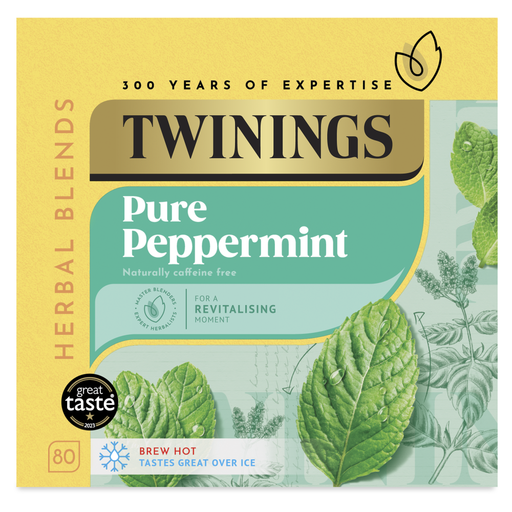
For a larger box of a single herbal flavour, this pack contains 80 tea bags. The Joybuy product listing states 100% peppermint and caffeine-free status; check that peppermint is a flavour the household will drink regularly.
 No image available
A 20-bag box is an option if you want to try lemon and ginger before buying more of that flavour. Check the exact caffeine statement and full ingredients if either determines your choice.
 No image available
For a household considering decaf tea in a larger box, the product name specifies 160 tea bags and 500g. Check the listed tea base if choosing decaffeinated traditional tea rather than a herbal infusion matters to you.
 No image available
This 80-bag, 277g decaf everyday-tea pack is an option for regular traditional-style cups. Check its ingredient base on the specific listing rather than assuming that a decaf product is a herbal infusion.
 No image available
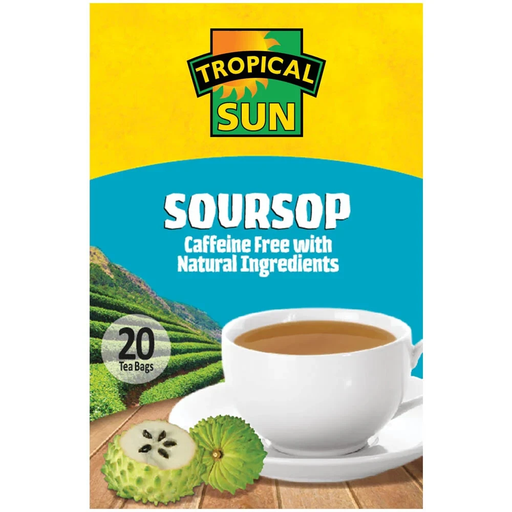
This 20-bag box offers a different herbal flavour in a smaller format. Check the caffeine statement and full ingredients on the product before choosing it for a caffeine-free cupboard.
No. Twinings describes its fruit and herbal infusions as naturally caffeine-free, while Tesco Groceries identifies Clipper decaf everyday tea as decaffeinated black tea. Check the exact product’s caffeine wording and ingredients to tell which you are buying.
Confirm the caffeine wording and ingredient base on each product first. Then compare tea-bag counts with how often the household will drink each flavour, and read the complete ingredients on multi-botanical blends.
No: that positioning is not proof of a health effect. Choose by the product’s caffeine status, flavour and listed ingredients rather than treating its name as medical advice.
Ask an appropriate healthcare professional about the particular ingredient and your circumstances before making the blend a regular drink. Guy’s and St Thomas’ NHS Foundation Trust cautions that describing a herbal product as natural does not, by itself, establish that it is safe for everyone.