People avoiding caffeine
If you are replacing some regular tea occasions with herbal infusions, check the caffeine statement on each pack rather than relying on the word “tea”.


For a caffeine-free pantry, choose herbal infusions whose exact packs say they are caffeine-free; choose decaffeinated black or green tea if a conventional tea flavour matters more, and check its caffeine statement too. Start with a few flavours in manageable packs, then read the ingredients and allergen information before stocking more of a household favourite.
If you are replacing some regular tea occasions with herbal infusions, check the caffeine statement on each pack rather than relying on the word “tea”.
A small selection of distinct flavours gives people a choice without committing cupboard space to several similar boxes. Peppermint, camomile and rooibos offer different starting points.
Multi-botanical blends need a closer look at their ingredients and allergen information. Pregnant shoppers should also account for the NHS guidance on herbal tea and liquorice root.
Decide whether the cupboard needs herbal infusions or conventional-style decaffeinated tea, then choose flavours and pack sizes the household is likely to use.
| Priority | What to check | Your needs |
|---|---|---|
| Caffeine status | Look for an explicit caffeine-free statement on the exact infusion. Check the ingredients for black or green tea leaves; if choosing decaffeinated tea, read its own caffeine statement. | I want to know what I am putting in the cupboard, rather than assuming every product called tea meets the same caffeine requirement. |
| Tea style and flavour | Compare single-herb peppermint or camomile with rooibos, honeybush and multi-ingredient blends. Twinings distinguishes decaffeinated black and green teas from its naturally caffeine-free herbal and fruit infusions. | Some of us prefer a familiar herbal flavour; others may want a fuller cup or the taste of conventional tea. |
| Pack size and storage | Check the bag count and packaging before buying several boxes. Pukka says its individual envelopes help protect its blends from air and moisture. | For a new flavour, I would rather start with a smaller pack. A larger box makes more sense for one we drink regularly. |
| Ingredients and allergens | Read the full ingredients and allergen information for each blend. Clipper lists liquorice root in its lemon and ginger infusion; Teapigs says its honeybush and rooibos tea is made in a factory that handles nuts. | I need to check the actual blend, especially if someone in the household has an allergy or needs to avoid a particular ingredient. |
| Pregnancy considerations | Check for liquorice root in each blend. The NHS advises pregnant people not to drink more than four cups of herbal tea a day and to avoid teas containing liquorice root. | If I am stocking tea for someone who is pregnant, a caffeine-free label alone is not enough to settle the choice. |
A naturally caffeine-free infusion will not necessarily taste like black or green tea. Decaffeinated conventional tea serves a different flavour preference.
Choose the type of cup you want first, then check the caffeine statement and ingredients on the specific pack.
A flavour or occasion name does not tell you every ingredient. For example, Clipper’s lemon and ginger infusion contains liquorice root.
Read the full ingredient list and allergen information, particularly for blends containing several botanicals.
Unused bags take up pantry space, while exposure to air and moisture can affect herbal tea’s flavour over time.
Try a smaller pack before buying more of one flavour, and follow the pack’s storage directions.
A Joybuy listing titled Twinings Pure Camomile also displayed description text referring to Assam tea. Conflicting details make the exact contents unclear.
Before ordering, compare the title, description, ingredients and pack details for the product you intend to buy.
Pukka offers herbal blends including Three Chamomile, which it describes as naturally caffeine-free.
Twinings sells naturally caffeine-free herbal infusions, including Pure Camomile, as well as a separate decaffeinated black and green tea range.
Clipper’s herbal infusions include single-herb and multi-ingredient options.
Teapigs offers a honeybush and rooibos blend described as naturally caffeine-free.
Yogi Tea offers a range of organic tea blends for shoppers interested in different botanical flavours.
Tesco’s grocery range includes own-label peppermint tea bags alongside branded herbal and decaffeinated products.
These Joybuy options cover single-flavour infusions, multi-ingredient blends and a mixed-flavour box. Compare their pack details with the flavours and ingredients your household wants to keep on hand.
 No image available
A 20-bag option for trying soursop-leaf tea alongside more familiar pantry flavours. The listing describes it as caffeine-free; check the pack details if its ingredient or caffeine statement is essential to your choice.
 No image available
The 20-bag pack offers a ginger-and-lemon flavour route without committing to a larger box. The listing describes the infusion as naturally caffeine-free and identifies several ingredients; read the full list if you need to avoid a particular botanical or flavouring.
 No image available
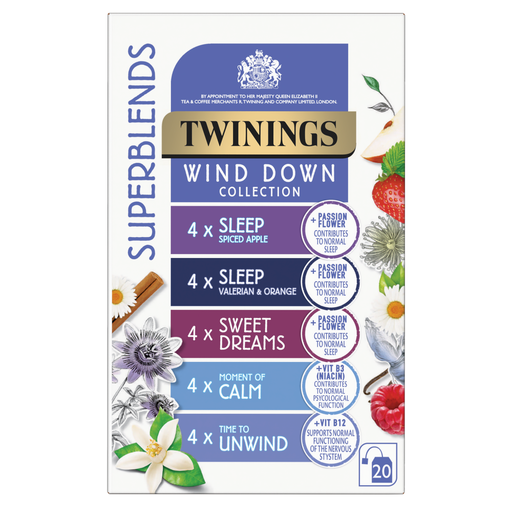
This 20-bag collection offers several flavours within one box. Its listing describes the infusions as naturally caffeine-free and identifies liquorice root in the Time to Unwind blend; check each blend separately. The NHS advises pregnant people to avoid teas containing liquorice root.
 No image available
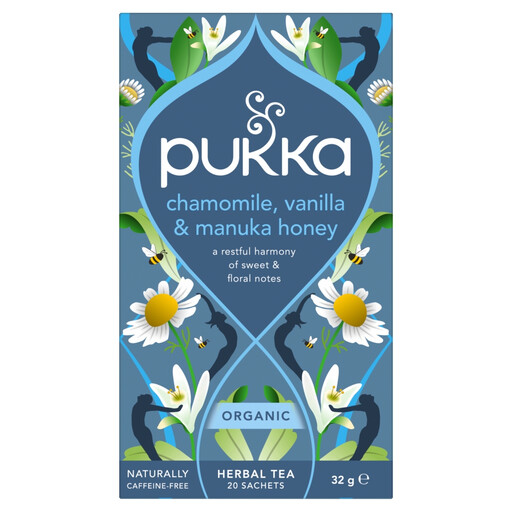
A chamomile-led blend in a 20-sachet pack for households wanting a different floral flavour. The listing describes it as caffeine-free and individually wrapped, but also identifies liquorice root and flags a chamomile-family allergy caution. The NHS advises pregnant people to avoid teas containing liquorice root.
 No image available
This larger peppermint pack is worth considering when the household already drinks that flavour regularly. The listing describes it as a caffeine-free, single-herb infusion; an 80-bag box is a bigger commitment if peppermint is still new to the cupboard.
Do not assume so from the word “tea”. Choose an infusion whose exact pack says it is caffeine-free and check whether the ingredients include black or green tea leaves. Twinings presents its decaffeinated conventional teas separately from its naturally caffeine-free herbal and fruit infusions.
A large pack makes more sense for a flavour the household already drinks regularly. Smaller packs let you try different flavours with fewer unused bags; follow each pack’s storage directions. Pukka says its individual envelopes help protect its blends from air and moisture.
Read the ingredient and allergen information on the exact pack before buying. Check any factory-handling statement as well: Teapigs states that its honeybush and rooibos tea is made in a factory that handles nuts.
No: the caffeine statement does not settle every ingredient question. The NHS advises pregnant people not to drink more than four cups of herbal tea a day and to avoid teas containing liquorice root, so check each blend’s ingredients.