
24/7 Customer Support

Free returns

Same-day & Next-day Delivery

Quality Guaranteed

Unlock Your Welcome Offers: FREE Delivery | Up to 80% OFF | Free 30-day JoyPlus trial
Download the APP
Herbal tea bags are convenient, easy to store and available in flavours ranging from floral chamomile to sharp peppermint and warming lemon and ginger. However, attractive packaging and wellness language can make comparison difficult. The right choice depends less on broad claims and more on the ingredients, caffeine status, pack size and suitability for your routine.
Terms such as wind down, detox or immune describe the positioning of a blend, not a guaranteed health outcome. Herbal infusions can offer an enjoyable flavour and a comforting drinking ritual, but they should not be treated as medical or therapeutic products.
Check the actual ingredient list. A bedtime tea may contain chamomile, passionflower, lavender or valerian, while a refreshing blend may rely on peppermint, spearmint or citrus flavouring.
Not every tea bag is caffeine-free. Green tea and black tea contain tea leaves and naturally occurring caffeine, even when mixed with herbs. For a genuinely caffeine-free tea, look for an ingredient list made up of herbs, flowers, spices, fruit or roots, and check the product description and packaging.
For example, Moroccan mint blends that contain green tea are not the same as a pure peppermint infusion. They may offer a fresher, more traditional tea flavour, but they are not equivalent to caffeine-free herbal tea bags.
Liquorice root is a common ingredient in sweet-tasting blends, but products containing liquorice may carry consumption warnings for people with high blood pressure. Chamomile may also be unsuitable for individuals who are allergic to plants in the daisy family.
Read the safety information, particularly if you are pregnant, taking medication or managing a health condition. When in doubt, seek advice from a qualified healthcare professional.
If you want a relaxing herbal tea or bedtime tea, select a blend clearly described as caffeine-free. Then look at the ingredient order, which generally lists ingredients by quantity. A chamomile tea with chamomile flower listed first will have a different character from a blend where chamomile is only one of several botanicals.
For a bright, warming cup, lemon and ginger tea may include ginger root, lemon peel, lemongrass and natural flavourings. For a cooling infusion, peppermint or mixed-mint leaves should be prominent.
Herbal infusions vary considerably in strength. Check the recommended water volume and steeping time. Several products in this range suggest 200–250ml of freshly boiled water and three to five minutes of brewing.
Covering the cup while steeping can help retain aroma, especially in lemon and ginger tea or floral blends. Longer brewing may produce a stronger flavour, but it can also make spices, liquorice or botanicals more pronounced.
Compare the number of tea bags rather than the box size alone. A 15-bag pack can suit occasional drinkers or those trying a new flavour, while an 80-bag pack may be more practical for frequent use.
Store herbal tea bags in a cool, dry place, away from strong odours and direct sunlight. Always check the best-before information on the packaging. A dry cupboard with the original pack sealed is usually more suitable than a humid area beside the kettle.
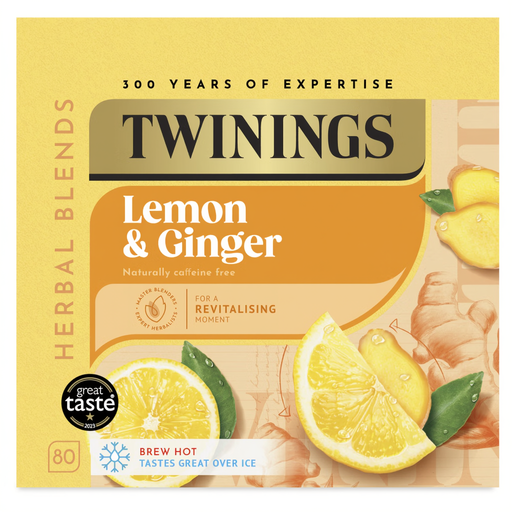
Why This Fits Their Persona: The larger pack suits regular drinkers who want a familiar caffeine-free infusion for mornings, afternoons or after meals.
The product information identifies it as caffeine-free and provides clear brewing instructions rather than relying only on wellness wording.
Contains ginger root (37%) and lemon peel (9%); supplied as 80 tea bags.

Why This Fits Their Persona: A suitable choice for shoppers who prioritise layered spice, aromatic flavour and individually wrapped sachets for a considered cup at home.
Its ingredient list makes the flavour structure clear: cinnamon bark (40%), ginger root (20%), cardamom and vanilla extract.
Caffeine-free; 20 sachets; the product information lists organic ingredients.
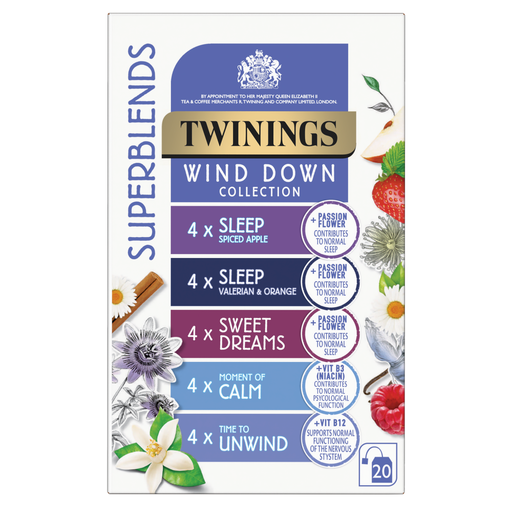
Why This Fits Their Persona: The mixed collection works for evening drinkers who want to compare several relaxing herbal tea profiles rather than commit to one flavour.
The box identifies five separate infusions and lists their botanical ingredients, including chamomile, passionflower, lavender and valerian.
Five flavours in one 20-bag collection; includes blends with clear ingredient percentages.
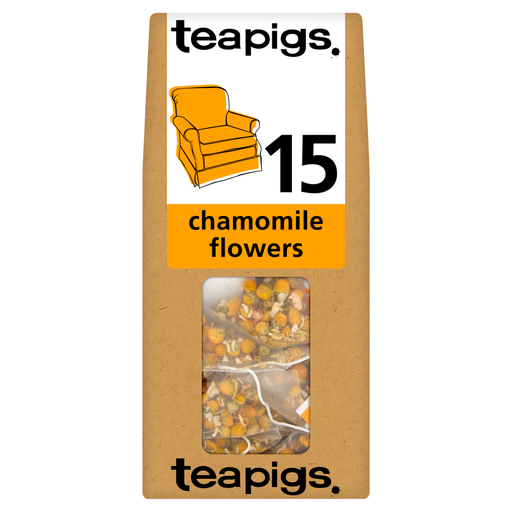
Why This Fits Their Persona: A straightforward option for those who prefer a single floral ingredient and a gentle caffeine-free drink in the evening.
The product contains chamomile flowers (100%), so there is no complex blend to decode or hidden tea leaf ingredient to identify.
Single-ingredient chamomile infusion; 15 tea bags for occasional use or flavour sampling.
We have compiled a complete, real-time list of products that fully satisfy these strict selection criteria and UK safety regulations.
Many are, but not all. Infusions made from chamomile, peppermint, ginger, liquorice, rooibos, fruit or flowers are generally caffeine-free. Products containing black tea or green tea are different, so always check the ingredient list and packaging.
Most products recommend freshly boiled water and around three to five minutes. Follow the individual instructions, as delicate floral blends and stronger spice-based infusions can develop differently. Covering the cup during brewing may help preserve aroma.
Keep them sealed in a cool, dry cupboard, away from moisture, heat and strong-smelling foods. Check the best-before date on the box and avoid transferring bags to an unlabelled container, particularly when the blend contains ingredients such as liquorice or valerian.