Who might choose herbal tea instead of coffee?
The useful starting point is what your usual coffee purchase does for you: provide a hot-drink break, a particular flavour or caffeine.
Commuters choosing to avoid caffeine
If the hot-drink routine matters more than caffeine, look for an individual infusion labelled caffeine-free. Pukka, Twinings and Clipper describe caffeine-free options in their herbal ranges, but the label on the blend you choose is the relevant check.
Drinkers who like tea with milk
If milk is part of your usual cup, rooibos or honeybush is worth considering. Teapigs says its honeybush and rooibos tea can be served with or without milk and describes that product as naturally caffeine-free.
Ingredient-conscious everyday drinkers
A flavour name may cover several herbs and other ingredients. Read the full label, particularly if you need to check an ingredient or allergen statement; seek appropriate professional advice about herbal products if medicines or relevant health circumstances make suitability uncertain.
What matters when choosing a blend?
Decide whether you want caffeine first, then compare flavour, ingredients and the time needed to make the drink where you will actually prepare it.
| Priority |
What to check |
Your needs |
| Caffeine |
Check the individual product’s caffeine statement and ingredients; a botanical-sounding name is not enough. Yogi Tea says varieties containing guarana, mate or dried kombucha drink contain caffeine. |
I want the coffee break without caffeine. If caffeine is the point of my usual coffee, a caffeine-free infusion will not serve that purpose. |
| Flavour |
Compare the named ingredients rather than treating herbal tea as one flavour. Pukka describes mint and chamomile options; Teapigs says its honeybush and rooibos product can be taken with or without milk. |
A mint or ginger blend appeals to me more than a floral one, or I want a cup I can take with milk. The flavour needs to work as a regular drink, not just sound appealing on the pack. |
| Ingredients |
Read the complete ingredient and allergen information. Clipper lists liquorice root, citrus peel, hibiscus and flavouring alongside lemongrass and ginger in its Organic Lemon & Ginger infusion. |
I need to know what is in the whole blend, not just the ingredients named on the front. If my circumstances raise a suitability question, I would ask an appropriate professional rather than rely on a wellness claim. |
| Brewing |
Check the chosen pack’s water and steeping directions, then consider where hot water will be available. Yogi Tea advises 100°C water and at least 5–7 minutes for its herbs and spices; Teapigs specifies at least three minutes for its honeybush and rooibos product. |
Will I make the drink before leaving, at work or somewhere else? I need enough time to follow the directions without relying on a rushed cup. |
Which brand ranges are relevant?
These are references for comparing blend styles and labels, not a promise that every product from a brand has the same ingredients or caffeine status.
Pukka
Pukka describes a UK range of caffeine-free herbal teas with several flavour directions.
- Its described herbal range includes mint, ginger and chamomile choices.
- Check the individual product rather than applying a range description to every Pukka tea.
Twinings
Twinings describes its fruit and herbal infusions as caffeine-free and suitable hot or cold.
- The range offers a route for shoppers considering fruit flavours as well as herbal ones.
- Confirm the exact blend’s ingredients and preparation directions before choosing it for a commute.
Clipper
Clipper describes caffeine-free organic herbal infusions, including peppermint, chamomile and lemon-and-ginger options.
- The range includes both single-herb and mixed-flavour choices.
- Its Organic Lemon & Ginger infusion also lists liquorice root, citrus peel, hibiscus and flavouring, so read beyond the flavour name.
Yogi Tea
Yogi Tea offers herbal and spice blends and gives preparation guidance for those blends.
- Yogi Tea advises 100°C water and at least 5–7 minutes for drawing its herbs and spices.
- The brand says varieties with guarana, mate or dried kombucha drink contain caffeine; check the particular product.
Teapigs
Teapigs offers herbal choices including a honeybush and rooibos tea.
- Teapigs describes that honeybush and rooibos product as naturally caffeine-free and suitable with or without milk.
- Its directions specify at least three minutes of brewing; check the chosen product’s own label for ingredients and allergen information.
Tesco
Tesco is a grocery retailer with a fruit-and-herbal-tea category, rather than a single manufacturer’s blend range.
- Its category is a place to compare different types of fruit and herbal tea.
- Use each product’s own label for caffeine, ingredient and brewing details rather than attributing one specification to the category.
Herbal tea options on Joybuy
These tea-bag and sachet options offer different named flavours for a commuter hot-drink routine. Compare the individual labels for caffeine status, full ingredients and brewing directions, especially if preparation time matters to you.
 No image available
Twinings Lemon & Ginger Tea Bags, 20 Pack
Consider this lemon-and-ginger option if that flavour appeals for a regular hot drink. The pack contains 20 tea bags; check its full ingredients, caffeine statement and brewing directions for your routine.
View on Joybuy
 No image available
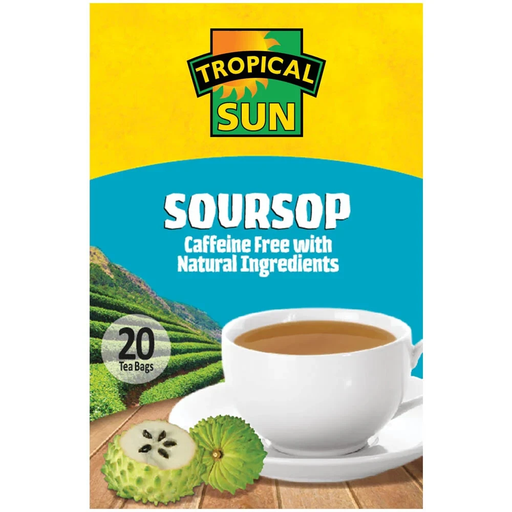
Tropical Sun Soursop Tea, 20 Tea Bags
Soursop offers a different named tea option from the mint and ginger blends here. The pack contains 20 tea bags; check the product’s ingredients and preparation directions before planning to make it on a commute.
View on Joybuy
 No image available
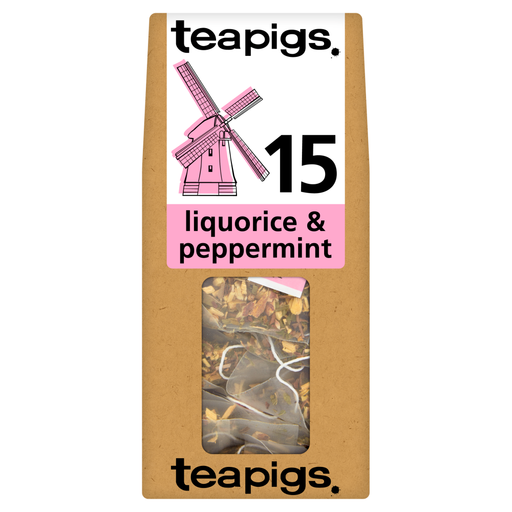
Teapigs Liquorice & Mint, 15 Tea Bags
This is a mint-named option for someone comparing everyday flavours. The pack contains 15 tea bags; pay particular attention to the liquorice ingredient when checking whether the blend suits you.
View on Joybuy
 No image available
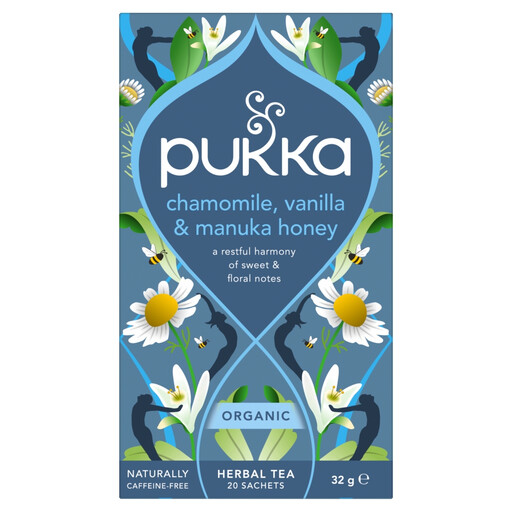
Pukka Chamomile Vanilla & Manuka Honey, 20 Sachets, 32g
Consider this chamomile-named blend if you prefer that flavour direction to mint or ginger. It comes in 20 sachets, 32g; check the complete ingredients and allow for the pack’s brewing directions when planning a hurried morning.
View on Joybuy
 No image available
Twinings Pure Peppermint, 80 Pack
This 80-pack is an option if you want peppermint as a regular flavour. Check the pack’s caffeine statement and steeping directions if you need to make your drink within a short break.
View on Joybuy
Questions about commuter herbal tea
Can herbal tea replace my commuter coffee?
It can replace the routine of having a hot drink, but a caffeine-free infusion will not replace coffee’s caffeine. Choose by the part of the routine you want to keep, then confirm the caffeine status of the individual tea.
Are all botanical blends caffeine-free?
No. Yogi Tea says its varieties containing guarana, mate or dried kombucha drink contain caffeine, even though it describes its other varieties as caffeine-free. Check the exact product label rather than relying on “herbal” as a category name.
What could suit someone who takes tea with milk?
Rooibos or honeybush is one route to consider. Teapigs describes its honeybush and rooibos product as naturally caffeine-free and suitable with or without milk; that describes this product, not every rooibos blend.
How much brewing time should I allow?
Follow the directions for the tea you choose. Yogi Tea advises 100°C water and at least 5–7 minutes for its herbs and spices, while Teapigs specifies at least three minutes for its honeybush and rooibos product. Check that your preparation spot offers the water and time required.
Why check ingredients when the flavour is on the pack?
A flavour name may not describe the whole blend: Clipper’s Organic Lemon & Ginger infusion also lists liquorice root, citrus peel, hibiscus and flavouring. Read the complete ingredient and allergen information, and seek appropriate professional advice if medicines or relevant health circumstances raise a question about suitability.


