Who is this choice for?
The useful starting point is whether you want to avoid caffeine, keep a familiar tea flavour or choose by the ingredients in the cup.
Elevenses drinkers avoiding caffeine
If you are replacing a mid-morning black tea, green tea or coffee, look for an infusion explicitly labelled naturally caffeine-free. Twinings distinguishes these infusions from decaffeinated tea, which can retain minor caffeine traces.
Traditional-tea flavour seekers
If peppermint or chamomile sounds too unlike your usual cup, compare rooibos, also called redbush, with decaffeinated black tea. Twinings describes rooibos as a naturally caffeine-free alternative to black tea; Clipper says redbush can be served with milk.
Ingredient-conscious infusion buyers
If a particular botanical matters to you, a single-ingredient peppermint or chamomile product gives you a simpler label to inspect than a multi-herb blend. Check the complete ingredients of the exact pack, especially where personal circumstances affect what you choose.
What should you check before choosing?
Settle the caffeine question first, then choose a flavour you would enjoy at elevenses and inspect the exact blend before buying.
| Priority |
What to check |
Your needs |
| Caffeine status |
Look for an explicit naturally caffeine-free statement and read the ingredients for mate or guarana. If choosing decaffeinated black or green tea, account for possible caffeine traces, as Twinings explains. |
I want to avoid caffeine at elevenses, not just reduce the amount in my usual tea. |
| Flavour |
Compare mint-led peppermint, floral chamomile and rooibos or redbush. Twinings positions rooibos as an alternative to black tea, while Clipper notes that redbush can be served with milk. |
A cup closer to my usual tea appeals more than a distinctly minty or floral infusion. |
| Ingredients |
Read the complete list rather than relying on the word herbal; single-botanical and mixed blends differ. During pregnancy, NHS guidance says to avoid teas containing liquorice root and to drink no more than 4 cups of herbal tea a day. |
I would rather know which botanicals are in the blend before making it a regular mid-morning drink. |
| Brewing |
Check the instructions for the exact product rather than assuming all infusions take the same time. Clipper gives 2 to 5 minutes for its Organic Peppermint Infusion; teapigs specifies at least 3 minutes for its peppermint tea temples. |
For a break between tasks, I want to know how long this particular cup needs to brew. |
Brands and ranges to compare
These brand ranges illustrate different ingredient and flavour routes; check the caffeine statement on the individual blend rather than treating a whole range alike.
Pukka
Pukka offers mint, ginger, berry and chamomile-led herbal blends. Its Three Chamomile is a floral example that Pukka identifies as naturally caffeine-free.
- Pukka identifies individual caffeine-free products within its herbal range.
- Ingredients vary by blend, so check the exact product rather than assuming every Pukka tea has the same caffeine status.
Twinings
Twinings offers fruit and herbal infusions, rooibos and decaffeinated conventional teas, making it useful for comparing distinct types of cup.
- Twinings distinguishes naturally caffeine-free infusions from processed decaffeinated tea.
- Twinings identifies mate and guarana as caffeine-containing ingredients and says minor traces can remain in decaffeinated tea.
Clipper
Clipper offers peppermint, chamomile, lemon-and-ginger and redbush infusion routes.
- Clipper identifies its Organic Peppermint Infusion as peppermint-only and naturally caffeine-free.
- Clipper’s redbush and peppermint offer different kinds of cup; check the botanical and brewing directions for the product you choose.
teapigs
teapigs offers a pure-peppermint infusion in its tea-temple format.
- teapigs lists pure peppermint leaves, a naturally caffeine-free status and brewing for at least 3 minutes for that product.
- Compare the exact pack format and brewing instructions with other peppermint options before choosing.
Yogi Tea
Yogi Tea’s range spans herbal and spiced blends as well as green and black tea, according to the brand.
- The range provides botanical and spice-led flavours to inspect by ingredient.
- Do not assume a particular blend is caffeine-free: check its own caffeine statement and complete ingredients.
Tesco
Tesco is a grocery retailer with fruit-and-herbal tea listings from different brands, rather than one herbal-tea manufacturer.
- Its listings offer a way to compare product names and pack formats across brands.
- Open the current product listing to confirm its details and availability before relying on a search result.
Joybuy herbal tea options
These Joybuy options cover mint, chamomile, lemon-and-ginger and soursop-leaf infusions for an elevenses break. They are infusion choices, not a comparison of decaffeinated black or green tea products; check the exact pack’s caffeine statement and ingredients when choosing.
 No image available
Twinings Lemon & Ginger Tea Bags, 20 Pack
Consider this for a lemon-and-ginger elevenses cup rather than a conventional black-tea flavour. The Joybuy listing describes it as caffeine-free; check the pack’s caffeine statement and full botanical ingredients before choosing the blend.
View on Joybuy
 No image available
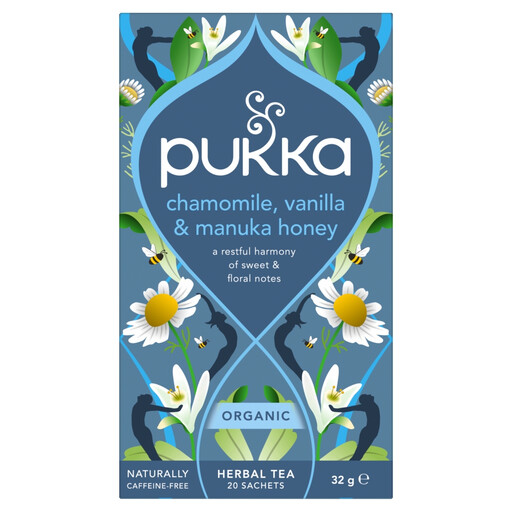
Pukka Chamomile Vanilla & Manuka Honey, 20 Sachets, 32g
This chamomile-led blend is a floral option rather than a single-ingredient infusion; its listing describes it as caffeine-free. It lists liquorice root among its ingredients. During pregnancy, NHS guidance advises avoiding teas containing liquorice root, so check the full pack ingredients before choosing.
View on Joybuy
 No image available
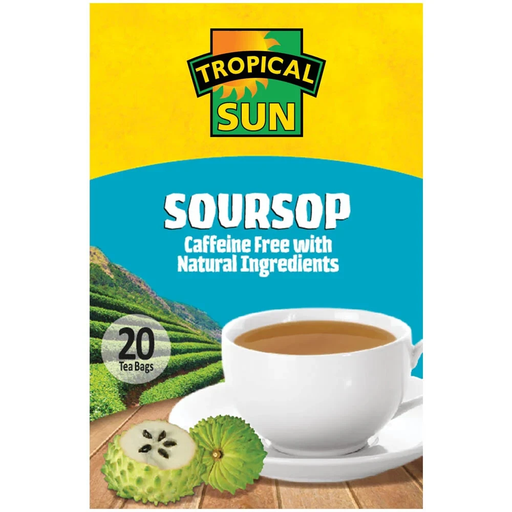
Tropical Sun Soursop Tea, 20 Tea Bags
This is a soursop-leaf route for someone who wants to try a different botanical from peppermint, chamomile or rooibos. The listing describes it as caffeine-free and identifies soursop leaves as its ingredient; check the exact pack if that distinction matters to your choice.
View on Joybuy
 No image available
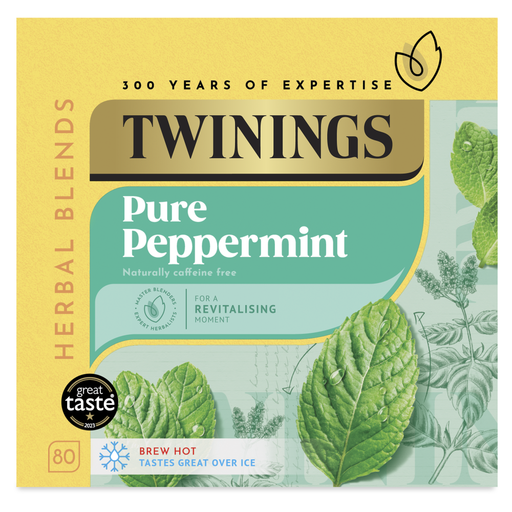
Twinings Pure Peppermint, 80 Pack
Choose the mint-led route if peppermint appeals more than a tea-leaf flavour. The listing describes this infusion as caffeine-free and identifies peppermint as its ingredient; the 80-pack format is worth considering if you make it regularly at elevenses.
View on Joybuy
 No image available
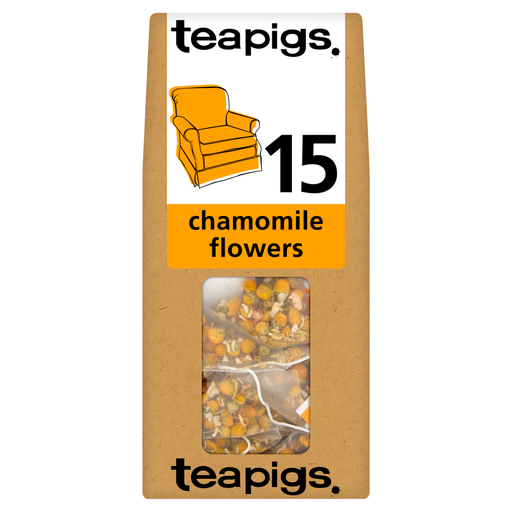
teapigs Chamomile Flowers, 15 Tea Bags, 180g
Consider this if you prefer a straightforward chamomile cup to a blend with several flavouring ingredients. The listing describes it as caffeine-free and identifies chamomile flowers as the ingredient; check the pack details and brewing instructions for this exact product.
View on Joybuy
Questions about caffeine-free tea
Is every herbal tea caffeine-free?
No. Many fruit and herbal infusions are naturally caffeine-free, but Twinings identifies mate and guarana as ingredients that contain caffeine. Check the caffeine statement and complete ingredients on the exact blend.
How is naturally caffeine-free tea different from decaffeinated tea?
A naturally caffeine-free herbal, fruit or rooibos infusion is a different choice from black or green tea processed to remove caffeine. Twinings notes that minor traces can remain in decaffeinated tea, so choose an explicitly caffeine-free infusion if avoiding caffeine is your priority.
Which caffeine-free infusion is closer to my usual tea?
Rooibos, or redbush, is worth comparing if peppermint and chamomile sound too unlike your usual cup. Twinings describes it as a naturally caffeine-free alternative to black tea, and Clipper says redbush can be enjoyed with milk; it will still have its own flavour.
How long should peppermint infusion brew?
Follow the directions for the particular product: Clipper specifies 2 to 5 minutes for its Organic Peppermint Infusion, while teapigs specifies at least 3 minutes for its peppermint tea temples. Do not apply either time automatically to another brand’s blend.
What should I check about herbal tea during pregnancy?
NHS pregnancy guidance says to drink no more than 4 cups of herbal tea a day and to avoid teas containing liquorice root. Read the full ingredients of the exact blend rather than assuming its herbal-tea label establishes suitability.


