
24/7 Customer Support

Free returns

Same-day & Next-day Delivery

Quality Guaranteed

Unlock Your Welcome Offers: FREE Delivery | Up to 80% OFF | Free 30-day JoyPlus trial
Download the APP
Japanese confectionery is popular with UK shoppers looking for fruity flavours, unusual textures and convenient sweets to share. Morinaga Hi-Chew chewy fruit candy is particularly appealing because it combines a soft, elastic chew with flavours such as strawberry, grape, green apple, mango and sweet and sour watermelon.
However, the colourful packaging does not tell you everything you need to know. Before adding a single pack or chewy sweets multipack to your basket, check the flavour, ingredients, allergen information, country of origin and quantity. This guide explains the main buying pitfalls and matches several Morinaga sweets options to different shopping needs.
Hi-Chew candy varieties can differ in their ingredients and allergen declarations. For example, the strawberry 50g product lists strawberry puree and gelatin, while sweet and sour watermelon includes apple juice concentrate and soya lecithin, with soybeans declared as an allergen.
Grape, green apple and mango products also list gelatin and soya-related ingredients in their supplied product information. If you avoid animal-derived ingredients, soy or particular production environments, read the individual product label rather than relying on the Morinaga name or fruit flavour.
Several listings contain 50g per pack, but the total quantity varies. A 50g single pack suits a lunch bag, desk drawer or trial purchase. A 50g x 3 pack is more practical for sharing, storing at home or buying for regular sweet consumption.
Check whether the listing refers to one pack or three separate packs before comparing prices. The lower-looking unit price is only useful when you calculate the cost per 50g pack.
These are confectionery products, not fruit portions. Supplied nutritional information for the strawberry variety lists 400 kcal and 65g of sugars per 100g. The watermelon variety lists 385 kcal and 65.9g of sugars per 100g, while the green apple information lists 414 kcal per 100g.
Enjoy soft fruit candy in moderation and consider the serving size. Young children should also be supervised because chewy sweets can present a choking risk.
Choose a 50g single pack if you want to compare flavours or carry sweets for a commute, university day or office break. A 50g x 3 multipack works better for households, group snacking and fans who already know their preferred flavour.
Some packs are resealable or individually wrapped, helping with portioning and storage. Always close the packaging properly after opening to help preserve the texture.
Hi-Chew is a soft, fruit-flavoured chewy candy rather than a hard boiled sweet or gummy. The texture gradually softens as you chew, releasing flavour over time.
Flavour perception is subjective, so a single pack can be a sensible way to try Japanese chewy sweets before committing to a multipack.
The supplied listings commonly include gelatin or gelatine, meaning these products should not be assumed to be vegetarian or vegan. Some varieties also contain soy or soya lecithin, and certain products may contain or be made in facilities handling milk, wheat, peanuts or tree nuts.
Ingredients and allergen statements can change between batches or regional packaging. UK shoppers with allergies should check the label on the delivered product and contact the responsible distributor if clarification is needed. The listed responsible person for several products is JFC (UK) Ltd, based in Hayes, London.
The products are ready to eat and require no preparation. Store them in a cool, dry place away from direct sunlight and heat. Warm conditions can make chewy sweets stick together or affect their texture.
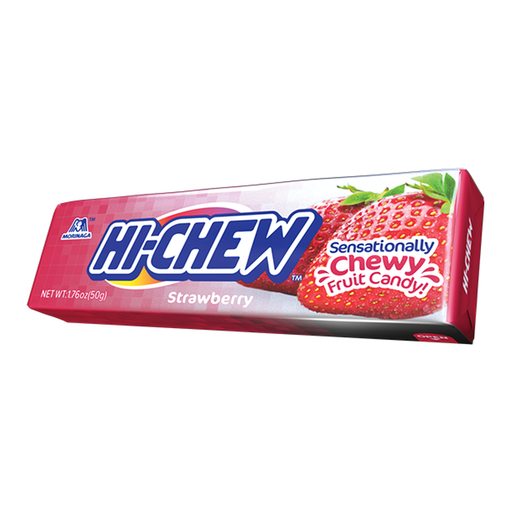
Why This Fits Their Persona: A compact single pack lets first-time buyers try a familiar fruit profile without committing to a multipack. It is convenient for a handbag, desk drawer or packed lunch.
The 50g quantity is clearly stated, making it easier to compare with three-pack listings and control the initial spend.
Strawberry puree is listed; the pack is ready to eat and suitable for portable snacking.

Why This Fits Their Persona: Grape Hi-Chew suits shoppers seeking a richer, recognisable fruit flavour and a soft chew associated with Japanese confectionery.
The listing identifies grape juice concentrate, gelatin and soy, so dietary checks can happen before purchase.
50g single-pack format; grape juice concentrate is listed in the ingredients.
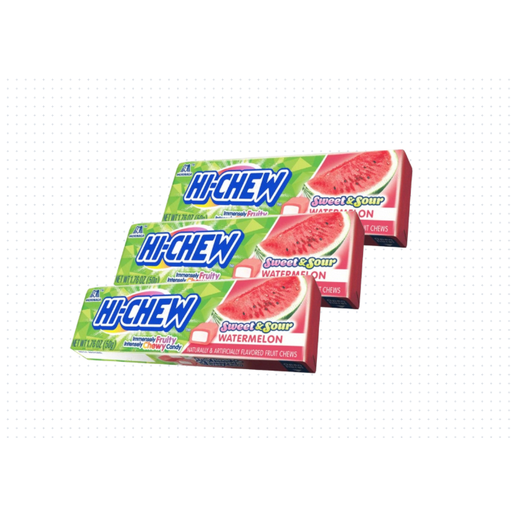
Why This Fits Their Persona: Three 50g packs are suited to sharing at a film night, keeping in a student cupboard or supplying an office snack drawer.
The total pack count is explicit, while the soy allergen declaration helps shoppers screen the product before sharing.
Three separate 50g packs; watermelon flavour includes apple juice concentrate and a tangy acid component.
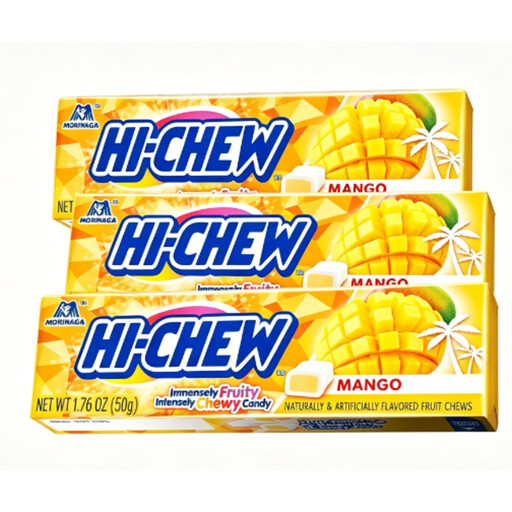
Why This Fits Their Persona: A three-pack gives regular snackers a convenient supply, while mango offers a tropical alternative to more familiar strawberry or grape sweets.
The listing specifies three 50g packs and identifies soy and gelatin, reducing uncertainty around quantity and dietary suitability.
Concentrated mango juice is listed; multipack format suits sharing and repeat purchases.
We have compiled a complete, real-time list of products that fully satisfy these strict selection criteria and UK safety regulations.
Do not assume it is. Several supplied product listings contain gelatin or gelatine, including varieties described as containing animal-origin gelatin. Check the specific ingredient list and packaging before buying.
Keep unopened and opened packs in a cool, dry place away from direct sunlight and heat. Reseal the pack after opening. High temperatures may make the sweets sticky or alter their chew. Follow the best-before information printed on the packaging.
A 50g pack is suitable for trying a flavour or carrying as an occasional snack. A 50g x 3 multipack offers more portions for sharing, office treats or regular shoppers. Compare the total weight and price per pack rather than judging by the product title alone.