Hosts serving guests who enjoy dark chocolate
A high-cocoa bar is worth considering when guests like a pronounced cocoa flavour and can comfortably chew and swallow chocolate. Ask about their preference rather than assuming it from their age.


Choose a clearly labelled high-cocoa dark bar for guests who enjoy a pronounced cocoa flavour and can comfortably eat chocolate; a 70% or 72% bar is a place to start. Ask about preferences and allergies before serving, and offer a softer, moister non-chocolate option if a guest has a dry or sore mouth or finds chocolate difficult to eat.
A high-cocoa bar is worth considering when guests like a pronounced cocoa flavour and can comfortably chew and swallow chocolate. Ask about their preference rather than assuming it from their age.
If a guest has a dry or sore mouth, dentures that affect eating, or difficulty swallowing, check whether chocolate is appropriate before putting it on the tea table. Milton Keynes University Hospital advises people with a dry or sore mouth to avoid sticky, dry or rough-textured foods such as chocolate.
Check the ingredients and precautionary allergen statements on the exact pack before serving. Dark chocolate and a vegan-recipe label do not, on their own, establish that a bar suits a guest’s allergy requirements.
Start with the guest’s flavour preference and ability to eat chocolate comfortably; then compare the pack’s cocoa, sugar and allergen information.
| Priority | What to check | Your needs |
|---|---|---|
| Cocoa flavour | Compare the cocoa-solids percentages on dark bars. M&S Food describes a higher cocoa level as giving a more intensely chocolatey, less-sweet taste. White chocolate is a different choice, not a high-cocoa dark substitute. | I’m serving someone who enjoys a pronounced cocoa flavour, but I don’t want to assume that a higher percentage will suit everyone. |
| Ease of eating | Ask whether a bar is comfortable for the guest to chew and swallow. Milton Keynes University Hospital advises people with a dry or sore mouth to avoid sticky, dry or rough-textured foods such as chocolate. | If chocolate is uncomfortable to eat, I’d rather offer a softer, moister non-chocolate item. |
| Sugar and serving | Read sugars per 100g and consider the amount served. Marks & Spencer lists 29.6g sugars per 100g for its 70% Dark Chocolate and 27g per 100g for its 72% Swiss Extra Fine Dark Chocolate. The NHS identifies chocolate as a source of free sugars. | I want to plan a small afternoon-tea serving without treating a high cocoa percentage as a sugar-free label. |
| Allergens | Read the ingredients and any precautionary allergen statement on the current pack. Lindt lists possible nuts, milk, soya and sesame for its Excellence 70% bar; other bars have different warnings. | A guest has told me about an allergy, so I need to check the particular bar against their requirements before serving it. |
Cocoa percentage does not tell you whether chocolate will be comfortable to eat. Milton Keynes University Hospital advises people with a dry or sore mouth to avoid sticky, dry or rough-textured foods such as chocolate.
Ask discreetly about eating difficulties and offer a softer, moister alternative if chocolate is uncomfortable. The NHS advises contacting a GP if dry mouth makes eating difficult.
High-cocoa bars can still contain sugar. Marks & Spencer lists 27g sugars per 100g for its 72% Swiss Extra Fine Dark Chocolate, and the NHS identifies chocolate as a source of free sugars.
Check the nutrition panel and decide how much to serve as part of the planned afternoon tea.
A recipe description cannot replace the allergen information for an individual product. Lindt’s Excellence 70% bar carries precautionary statements for nuts, milk, soya and sesame.
Read the exact pack’s ingredients and warnings before serving it to a guest with an allergy.
“Dark” alone does not establish that a bar meets a particular high-cocoa preference. Cadbury describes Bournville Classic as dark chocolate, while a host seeking a stated 70% cocoa level needs that percentage for the specific product.
Check the current pack’s cocoa-solids percentage rather than inferring it from the brand or the word “dark”.
These examples show why the specification of a particular bar matters more than a general impression of its brand.
Lindt Excellence Dark 70% is an example for hosts looking for a bar with a stated cocoa percentage.
Marks & Spencer lists both a 70% Dark Chocolate bar and a 72% Swiss Extra Fine Dark Chocolate bar.
Cadbury describes Bournville Classic Dark Chocolate as a smooth dark bar. That description may help with flavour preference but does not establish a particular cocoa percentage.
These bars offer stated cocoa levels from 70% to 85% for guests who already enjoy dark chocolate. None should be chosen on cocoa percentage alone if eating comfort or allergies are a concern.
 No image available
A 70% cocoa bar to consider when guests prefer a cocoa-led dark chocolate rather than an 85% option. Check the current pack for allergens and confirm that a chocolate bar is comfortable for the guest to eat.
 No image available
The stated 85% cocoa level makes this a choice to discuss with guests who already enjoy a more intense dark-chocolate flavour. Check the pack’s allergen information before serving.
 No image available
Another 85% cocoa bar for a guest who specifically wants a pronounced dark-chocolate flavour. Check the current pack for ingredients and allergen warnings, and ask whether a bar is comfortable to eat.
 No image available
The stated 72% cocoa level offers a different flavour choice from the 85% bars for guests who enjoy dark chocolate. Read the current pack’s ingredients, allergen information and nutrition panel before serving.
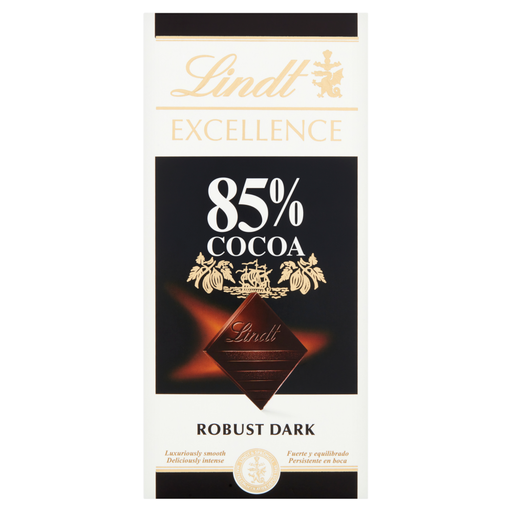 No image available
Consider this 85% cocoa bar for guests who already favour an intense dark-chocolate flavour; it is a different product from Lindt Excellence 70%. Check this bar’s own pack for allergens and confirm that the guest can comfortably eat chocolate.
No. M&S Food explains that dark chocolate contains more cocoa than white chocolate. If the guest wants a pronounced cocoa flavour, compare dark bars using the cocoa-solids percentage stated for each product.
Check with the guest before serving it. Milton Keynes University Hospital advises people with a dry or sore mouth to avoid sticky, dry or rough-textured foods such as chocolate and to choose softer foods. The NHS advises contacting a GP if dry mouth makes eating difficult.
Yes, a high cocoa percentage does not mean sugar-free. Marks & Spencer lists 29.6g sugars per 100g for its 70% Dark Chocolate bar; check the nutrition panel of the particular bar you plan to serve.
Read the ingredients and precautionary allergen statements on the exact current pack against the guest’s requirements. For example, Lindt Excellence 70% says it may contain nuts, milk, soya and sesame; do not assume that wording applies to a different Lindt bar.
Use it to compare options, then check the pack you actually buy. Marks & Spencer and Waitrose advise checking product labels because recipes, nutrition and allergen information can change.