
24/7 Customer Support

Free returns

Same-day & Next-day Delivery

Quality Guaranteed

Unlock Your Welcome Offers: FREE Delivery | Up to 80% OFF | Free 30-day JoyPlus trial
Download the APP
Whether you're a runner pounding the pavements, a gym-goer pushing your limits, or someone simply trying to ease the tension from a day spent at a desk, a foam roller can be a valuable tool for muscle recovery. However, the market is flooded with options, and choosing the right one can feel overwhelming. Many promising-looking rollers end up gathering dust after failing to deliver.
As a Joybuy Product Recommendation Officer, my role is to help you navigate the choices and avoid common purchasing mistakes. Before you add a roller to your basket, be aware of these frequent pitfalls:
To ensure you get a tool that supports your fitness and recovery goals, focus on these three core parameters.
The firmness of a roller is its most important attribute. This is determined by the material it's made from.
deep tissue massage roller experience and for those who need intense pressure. They hold their shape well under heavy, repeated use.muscle recovery roller.The surface of the roller dictates how it interacts with your muscles.
myofascial release across large muscle groups like the quads, hamstrings and back. Many physiotherapists suggest starting with a smooth physio roller.trigger point roller with these features can help isolate and apply targeted pressure to specific knots. However, they can be intense and are often better suited to those with more experience.The dimensions of your roller should align with how you plan to use it.
exercise roller for back, a length of 60 cm to 90 cm is advisable. This allows the roller to span your entire back, providing stability as you roll. Shorter rollers, typically 30 cm to 45 cm, are more portable and excellent for targeting individual limbs like calves, quads and arms. They are a practical body roller for stretching specific areas.Based on these practical criteria, here are a few options from our catalogue, matched to different user needs.
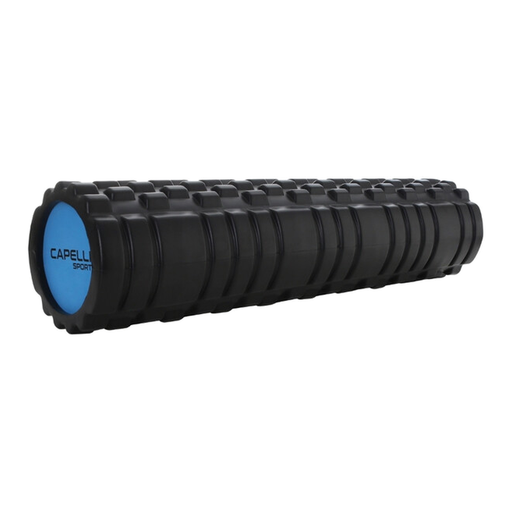
Why This Fits Their Persona: For the serious athlete or gym-goer in the UK who needs a reliable tool for daily recovery. This roller is built for frequent, intense use on major muscle groups after demanding workouts.
Its construction from high-density PVC and PE materials ensures it won't flatten or lose shape, avoiding the "squishy roller" pitfall. The 61 cm length is ideal for full-back rolling, preventing the "mismatched size" issue.
Provides firm, consistent support for deep tissue massage. The extended length offers versatility for targeting large muscle groups like the back and hamstrings effectively.
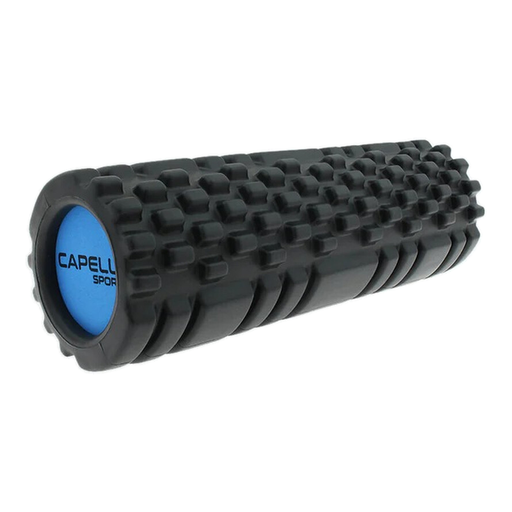
Why This Fits Their Persona: Ideal for someone starting their home fitness journey or with limited space. It's a practical, no-frills tool for targeting specific muscle groups like calves, quads and arms after a home workout or run.
The smooth, high-density surface avoids the "overly aggressive texture" trap, making it suitable for beginners. Its compact size is a deliberate choice for portability and limb-focused work, not a mistake.
Lightweight, portable and easy to store. It's an affordable entry point into foam rolling without compromising on the necessary firmness for effective muscle release.
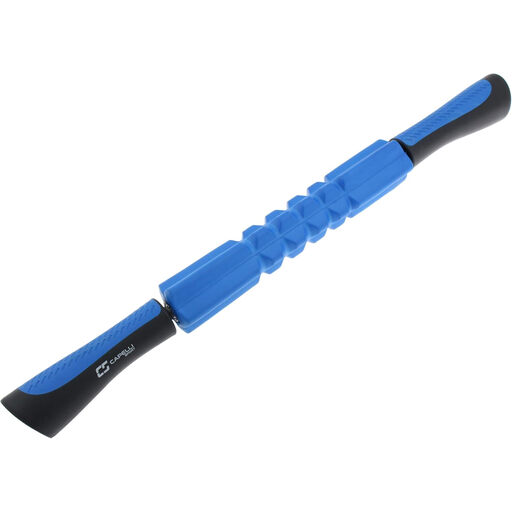
Why This Fits Their Persona: This user wants more control than a traditional foam roller offers. A massage stick is perfect for applying precise pressure to hard-to-reach areas or for those who find getting on the floor difficult.
As a handheld myofascial release tool, it bypasses the common foam roller issues of size and texture. The user has complete control over the pressure and location, eliminating the risk of it being too aggressive or the wrong size.
Ergonomic handles provide excellent grip and leverage. Its durable PVC construction ensures it can apply firm pressure to relieve knots in quads, shoulders and hips effectively.
We have compiled a complete, real-time list of products that fully satisfy these strict selection criteria and UK safety regulations.
For general maintenance and recovery, using a foam roller for 5-10 minutes after a workout or before bed can be beneficial. If you are targeting a particularly tight area, you might focus on it for 30-60 seconds per session. It's important to listen to your body and not overdo it.
Yes. While a high density foam roller is meant to be firm, if using it causes sharp pain, numbness or you find yourself tensing up completely, it may be too aggressive for you. The sensation should be one of "good pain" or intense pressure, not sharp, unbearable pain. If you are new to rolling, consider starting with a slightly less dense roller or using less body weight.
The lifespan depends on the material and frequency of use. A quality roller made from EPP or with a PVC core should last for several years without losing its shape. A lower-quality foam roller might develop flat spots or become permanently compressed in as little as a few months of regular use. Investing in a roller with a durable material composition is more cost-effective in the long run.