What to check before choosing
Compare the fibre declaration first, then match the format to how you plan to serve brunch and the ingredients your guests need to avoid.
| Priority |
What to check |
Your needs |
| Fibre declaration |
Read fibre per 100g first. A UK high-fibre claim requires at least 6g per 100g or 3g per 100kcal; then compare fibre per serving. |
I want to know that a cereal qualifies as high fibre rather than relying on wholegrain wording or front-of-pack presentation. |
| Portion and format |
Compare the stated serving size as well as fibre per 100g. Check whether the cereal is ready to serve cold or needs hob or microwave preparation. |
A cold cereal bar needs quick serving, while a warm oat bowl needs time, bowls and a made-to-order plan. |
| Allergen information |
Read the ingredients, emphasised allergens and any may-contain statement on the current pack. Keep packaging available at the table. |
I need guests to be able to identify ingredients that may not suit them before they help themselves. |
| Brunch variety |
Use cereal as one part of the meal and consider other fibre-containing foods across the day. NHS guidance advises adults to aim for 30g of fibre daily as part of a balanced diet. |
I want a cereal course that fits into a varied brunch rather than treating one bowl as the whole meal’s fibre plan. |
Joybuy product options
These Joybuy options cover warm porridge, cold oat cereal, fruit-and-nut cereal and fibre-dense oatbran choices for a brunch with friends.
 No image available
Quaker Oat So Simple Big Bowl Original, 6 Pack 231g
Individual wholegrain-oat sachets suit warm, customisable brunch bowls.
Declares 9.0g fibre per 100g and 3.5g per sachet. Each sachet can be microwaved in 2½ minutes; use a microwaveable bowl and check the current pack for oat allergen information.
Joybuy
 No image available
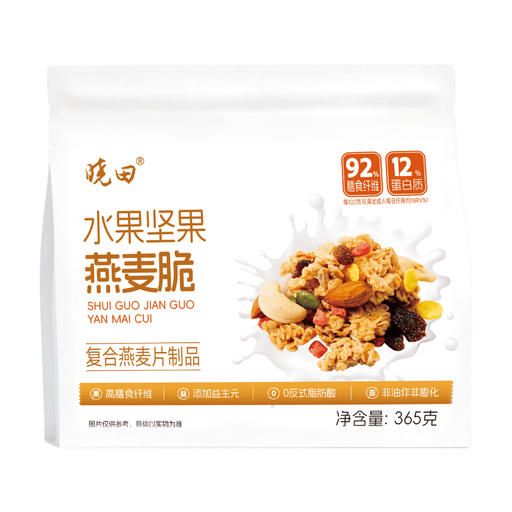
Xiao Tian Fruit & Nut Oat Crunch, 365g
A ready-to-eat oat cereal for a cold self-serve station with milk or yoghurt.
Declares 22.9g dietary fibre per 100g. It contains gluten-containing cereals, almonds and cashews; check the current pack before serving guests.
Joybuy
 No image available
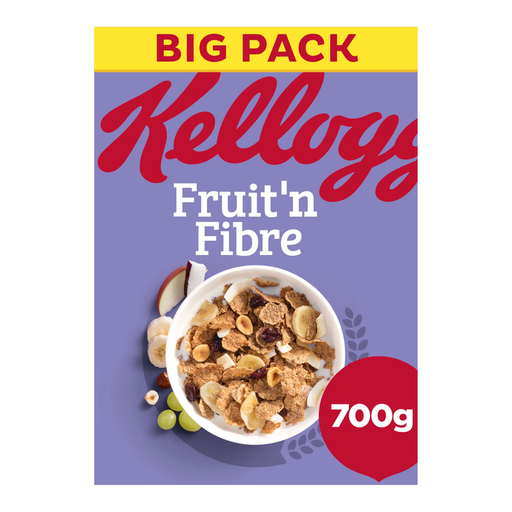
Kellogg’s Fruit N Fibre, 700g
A cold wholewheat, dried-fruit and hazelnut cereal for a sharing-style brunch spread.
Declares 9.0g fibre per 100g and 3.6g per 40g serving. It contains almonds, barley, hazelnuts, tree nuts and wheat, and may contain other gluten-containing cereals and nuts.
Joybuy
 No image available
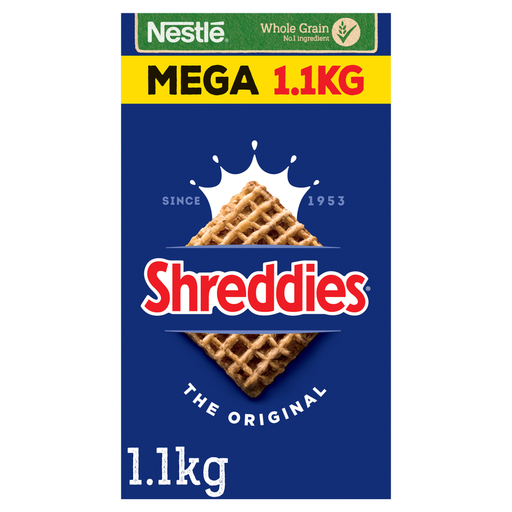
Nestlé Shreddies Original Malted Wheats, 1.1kg
Ready-to-serve malted wheat squares can be offered with cold or hot milk.
Declares 12g fibre per 100g and 4.8g per 40g serving. Contains wholegrain wheat and barley malt extract, and may contain peanuts and nuts.
Joybuy
 No image available
Mornflake Mighty Oats Original Oatbran, 800g
A 100% oatbran option for hosts looking for a fibre-dense cereal ingredient.
Declares 19.4g fibre per 100g. It is not suitable for people with wheat or barley allergies due to manufacturing methods; check pack preparation and portion instructions before serving.
Joybuy
Frequently asked questions
What does “high fibre” mean on a UK cereal pack?
A food may make a high-fibre claim only if it contains at least 6g of fibre per 100g or 3g per 100kcal. Confirm the exact product on its nutrition panel, then compare its stated serving size for brunch planning.
Is a wholegrain cereal automatically high in fibre?
No. Wholegrain can be a useful ingredient cue, but it does not replace checking the declared fibre amount. The verified cereal examples range from 8.0g to 26g fibre per 100g, while high-fibre eligibility is based on the legal nutrient threshold.
Can one cereal bowl meet a daily fibre target?
No. NHS guidance says adults should aim for 30g of fibre daily as part of a balanced diet and advises getting fibre from a variety of sources. Treat cereal as one part of the day’s food rather than the complete solution.
What should I check before serving cereal to friends with allergies?
Check the current pack’s ingredients and allergen statement, and ask guests about their requirements before serving. UK allergen guidance covers cereals containing gluten, milk, nuts, peanuts and soya among the 14 allergens that must be declared when present in prepacked food.
Which format is easiest for a brunch gathering?
Cold oat flakes and muesli work well at a self-serve station, while rolled oats suit a warm made-to-order brunch. Wheat-bran cereal can provide more declared fibre per 100g, but check whether its ingredients suit your guests before choosing it as a shared-table option.


