For a large household, compare fibre per 100g first, then choose a cereal format that people will eat regularly and that suits the household’s ingredients and morning routine. In the products compared, bran cereal has the highest declared fibre density, while plain Shredded Wheat offers substantial fibre with a simple wholegrain-wheat recipe; muesli and porridge need closer checks of sugars, allergens and preparation.
Who this is for
Large households building a repeat breakfast cupboard
Compare fibre per 100g and per actual serving, then choose formats household members will consistently eat. The NHS identifies plain wholewheat biscuits, porridge and bran cereal as higher-fibre breakfast routes.
Adults prioritising a higher-fibre breakfast
For adults looking for cereal to contribute to daily fibre intake, the bran and plain Shredded Wheat examples compared provide more fibre per serving than the reviewed muesli and porridge examples. NHS guidance places fibre within a healthy balanced diet.
Families managing ingredient or allergen restrictions
Ingredient and allergen declarations are decisive where particular cereals, nuts or milk must be avoided. The compared products include combinations of wheat, barley, oats, nuts and milk ingredients, so a high-fibre claim is not a gluten-free claim.
Buying priorities
Start with a like-for-like fibre comparison, then check the nutrition panel, ingredients and serving format for the breakfasts your household actually serves.
| Priority |
What to check |
Your needs |
| Fibre contribution |
Compare fibre per 100g across dry cereals. Then check fibre per stated serving and whether that serving reflects the bowl being eaten. A UK high-fibre claim requires at least 6g fibre per 100g or 3g per 100 kcal. |
I want breakfast cereal to make a worthwhile fibre contribution, while remembering that adult and children’s daily needs differ. |
| Sugars and recipe |
Read sugars per 100g alongside fibre. Check the ingredients list for dried fruit, added sugar and milk ingredients; no-added-sugar wording does not describe every sugar shown in the nutrition table. |
I am choosing a regular family cereal, so I want to compare the whole nutrition panel rather than treating high fibre as a complete nutrition judgement. |
| Allergens and gluten |
Read the current ingredient list, allergen statement and any may-contain wording. Look for a specific gluten-free label where it is required; oat, wholegrain and high-fibre descriptions do not establish gluten-free suitability. |
Everyone who will regularly eat the cereal needs to be able to use the exact pack safely. |
| Morning routine |
Ready-to-eat biscuits and flakes need no cooking. For porridge, check microwave or hob instructions, serving format, pack quantity and available storage space. |
On busy mornings, I need a format that fits the time available rather than a cereal that stays unopened in the cupboard. |
Common buying pitfalls
-
Equating high fibre with the lowest-sugar choice
High-fibre cereals can still differ widely in declared sugars. In the reviewed examples, Shredded Wheat Original lists 0.7g sugars per 100g while Alpen Original lists 21g per 100g.
Compare fibre and sugars on the same per-100g basis, then check the stated serving size before choosing a regular family cereal.
-
Comparing fibre per serving without checking serving weights
The reviewed serving sizes range from 27g for dry Quaker oats to 45g for Shredded Wheat and muesli, so serving figures alone do not show fibre density.
Use fibre per 100g for the first comparison, then use fibre per serving to estimate what a typical bowl contributes for each family member.
-
Buying a large multipack before checking all household allergens
The reviewed cereals include different combinations of wheat, barley, oats, milk, nuts, peanuts and soya. Plain wheat cereal can still be unsuitable for people avoiding wheat or gluten.
Read the current pack ingredient list, allergen statement and any may-contain wording before buying family-size packs; do not infer gluten-free suitability from a high-fibre or oat claim.
An unsuitable large pack can be difficult for a regular household member to use.
-
Relying on cereal alone to meet the day’s fibre needs
The NHS recommends getting fibre from a variety of sources, including wholegrains, fruit, vegetables and pulses.
Use cereal as one practical breakfast contribution and include other fibre-containing foods across the household diet.
Relevant brand references
Kellogg's
A bran-cereal route for households seeking a fibre-dense breakfast option. Kellogg’s All-Bran Fibre Plus lists 26g fibre per 100g and 10g per 40g serving.
- Among the compared products, it has the highest declared fibre density.
- It contains wheat and barley and may contain other cereal gluten, nuts, milk and soya; it lists 15g sugars per 100g.
Weetabix
A familiar wholegrain biscuit cereal for quick everyday breakfasts. Weetabix Original lists 10g fibre per 100g and 3.8g per two-biscuit serving.
- The manufacturer lists added iron and B vitamins alongside wholegrain wheat.
- It contains wheat and barley, and its stated fibre per serving is lower than the reviewed bran and plain Shredded Wheat options.
Nestlé
Shredded Wheat Original is a plain wholegrain-wheat cereal with a minimal ingredient list. Nestlé Cereals UK lists 14g fibre per 100g and 6.3g per 45g serving.
- The official UK page lists 100% wholegrain wheat with no added sugar or salt.
- It contains wheat, may contain peanuts and nuts, and is not suitable for coeliacs according to the manufacturer.
Quaker
A warm porridge route where microwaveable single-serve preparation may suit the household routine. Quaker Oat So Simple Original is made with wholegrain rolled oats.
- The dry oats list 9.0g fibre per 100g and 2.4g per 27g sachet.
- It may contain wheat, barley and soya, and nutrition values differ when prepared with semi-skimmed milk.
Alpen
A wholegrain muesli route with oats, wheat flakes, raisins and nuts for households wanting more texture and ingredient variety.
- Alpen Original lists 7.7g fibre per 100g.
- It lists 21g sugars per 100g and contains wheat, oats, milk and nuts.
Dorset Cereals
A muesli format with wholegrain flakes, fruit, seeds and nuts. Wonderfully Organic is a certified-organic, no-added-sugar example.
- The product lists 7.6g fibre per 100g and 3.4g per 45g serving.
- It lists 18g sugars per 100g and contains oats, barley, wheat and Brazil nuts.
Joybuy product options
Joybuy product options for a large household seeking high-fibre breakfast cereal, including ready-to-eat biscuit cereal and porridge-oat formats.
 No image available
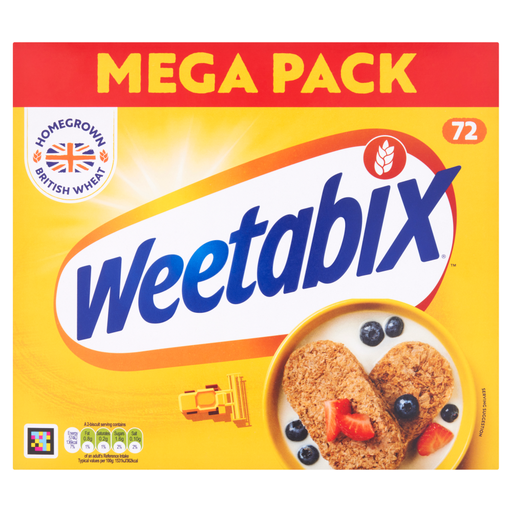
Weetabix Super Size 72 Pack 1.52kg
A ready-to-eat biscuit format for repeat breakfasts in a household with several regular eaters.
The listing states a 72-biscuit, 1.52kg pack, 10g fibre per 100g and 3.8g per two-biscuit serving. It contains wheat and barley, so check suitability where these cereals must be avoided.
Joybuy
 No image available
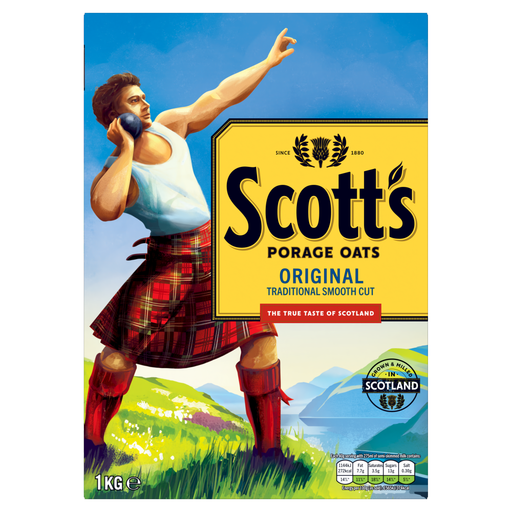
Scotts Porage Oats Original Porridge Oats 1kg
A warm oat breakfast option for regular household use.
The listing states a 1kg pack with 25 portions, 9.0g fibre per 100g and 3.6g per 40g serving. It may contain wheat and barley; check the pack instructions for the preferred preparation method and timing.
Joybuy
 No image available
Flahavan's Organic Porridge Oats 2kg, 2 x 1kg
A larger oat option for households planning repeated porridge breakfasts.
This variant contains two 1kg packs and lists 8.3g fibre and 0.9g sugars per 100g, with 3.3g fibre per 40g serving. It contains oats labelled as gluten and is not presented as gluten-free.
Joybuy
 No image available
Quaker Oat So Simple Big Bowl Original 6 Pack 231g
Individual sachets suit households that want a warm breakfast with short microwave preparation.
The dry product lists 9.0g fibre and 1.0g sugars per 100g, with 3.5g fibre per 38.5g sachet. The pack contains six sachets, and milk additions change prepared nutrition figures.
Joybuy
 No image available
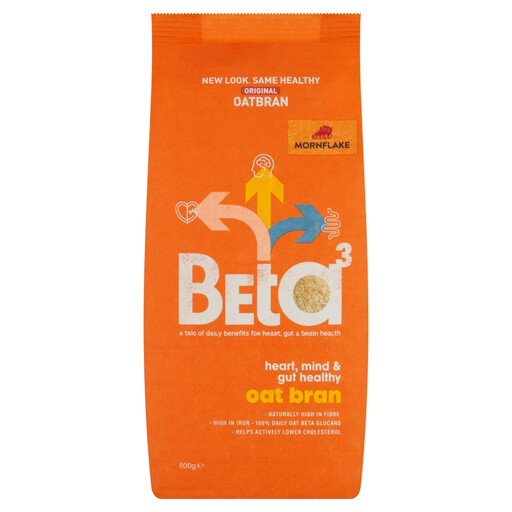
Mornflake Mighty Oats Original Oatbran 800g
An oatbran option for an adult household member making fibre density a main priority.
The listing states 19.4g fibre and 1.5g sugars per 100g, with 100% oatbran. It contains oats and is not suitable for people with wheat or barley allergies according to the listing; check serving and preparation guidance on the pack.
Joybuy
Frequently asked questions
What does “high fibre” legally mean on a UK cereal pack?
Under the UK rules reflected in Regulation (EC) No 1924/2006, a food may be described as high fibre only where it contains at least 6g fibre per 100g or 3g fibre per 100 kcal. Fibre per 100g is therefore a consistent first check when comparing dry cereals.
How much fibre should adults and children aim for?
NHS guidance says adults should increase dietary fibre intake to 30g a day as part of a healthy balanced diet. The guidance gives lower approximate daily needs for children: 15g for ages 2 to 5, 20g for ages 5 to 11 and 25g for ages 11 to 16; use this as dietary context rather than serving children an adult-sized portion.
Are high-fibre cereals automatically gluten-free?
No. High fibre, wholegrain and oat-based are not gluten-free guarantees. For example, Shredded Wheat Original is made from wheat and is not suitable for coeliacs according to the manufacturer; the Food Standards Agency states that food labelled gluten-free must contain no more than 20mg/kg gluten as sold.
Which cereal format is quickest for a busy large household?
Ready-to-eat biscuit cereals need no cooking. For a hot option, Quaker Oat So Simple Original gives microwave and hob instructions and states a two-minute preparation method, although preparing it with milk changes the serving nutrition values.


