What to check before buying
Start with fibre per 100g, then check the usual portion, ingredients and preparation method so that the pack works for the way your household eats breakfast.
| Priority |
What to check |
Your needs |
| Fibre content |
Check that the nutrition declaration shows at least 6g of fibre per 100g; compare the actual per-100g figure and the manufacturer’s serving size. |
I want a cereal that genuinely meets the high-fibre threshold, not one chosen solely because it is wholegrain or uses health-focused packaging. |
| Sugars and ingredients |
Compare sugars per 100g and per serving; check whether dried fruit or flavoured ingredients change the recipe. |
A fruit-containing muesli or flavoured porridge may suit our tastes, but I still want to compare its sugars alongside fibre. |
| Morning routine |
Check whether the cereal is ready to eat, needs soaking, or requires hob or microwave preparation; compare stated serving sizes when planning how long a pack may last. |
On weekday mornings, I need a format that will actually be prepared and eaten rather than left in the cupboard. |
| Allergens |
Read the exact pack’s ingredients, allergen statement and any precautionary ‘may contain’ wording; do not assume oat, wheat or nut-containing products are interchangeable. |
I need to confirm suitability for our household rather than relying on the cereal type or brand name. |
Joybuy cereal options
Joybuy product options for weekly-shop breakfasts, including ready-to-eat biscuit cereals, porridge oats and fruit-and-nut cereal.
 No image available
Weetabix Super Size 72 Pack 1.52kg
A large ready-to-eat wheat-biscuit format for regular weekday breakfasts. Verify the exact pack’s fibre declaration before buying; the supplied product information notes wheat and barley.
Joybuy
 No image available
Quaker Oat So Simple Big Bowl Original 6 Pack 231g
Six pre-portioned oat sachets for a hot breakfast, with microwave preparation stated as 2½ minutes. The listing states 9.0g fibre and 1.0g sugars per 100g; check oat suitability where gluten avoidance or allergy matters.
Joybuy
 No image available
Scotts Porage Oats Original Porridge Oats 1kg
A 1kg porridge-oat pack with a stated 25 portions for repeat breakfast routines. It lists 100% oatmeal, 9.0g fibre and 1.0g sugars per 100g; check preparation time and allergen suitability for the exact pack.
Joybuy
 No image available
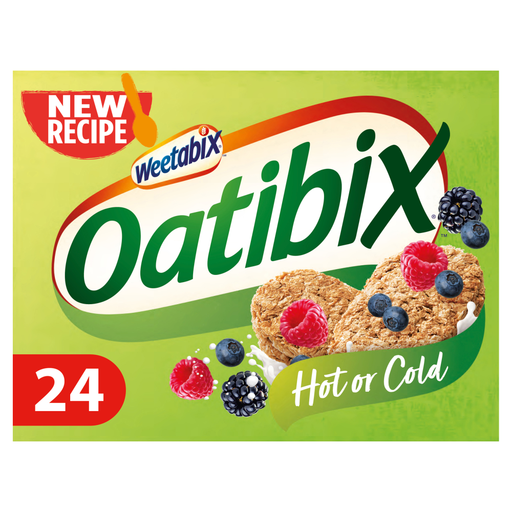
Weetabix Oatibix 24 Biscuits 600g
A ready-to-eat oat-biscuit option for quick breakfasts. The listing states 7.3g fibre and 3.2g sugars per 100g, plus added vitamins and iron; it contains oats and barley.
Joybuy
 No image available
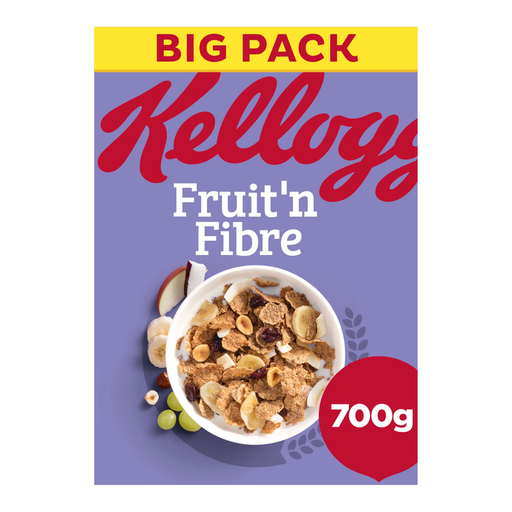
Kellogg's Fruit 'N Fibre 700g
A 700g ready-to-eat cereal with wholewheat, dried fruit and hazelnuts. The listing states 9.0g fibre per 100g; check the exact pack’s sugars, serving size and detailed allergen statement before choosing it.
Joybuy
Frequently asked questions
What counts as a high-fibre breakfast cereal in the UK?
Use the nutrition table rather than front-of-pack wording: a product is high in fibre when it contains at least 6g of fibre per 100g. Compare cereals per 100g because serving sizes differ between bran cereal, biscuits, oats and muesli.
How much fibre should adults aim for?
UK government guidance cited by the NHS says adults should increase dietary fibre intake to 30g a day as part of a healthy balanced diet. Breakfast cereal can contribute, but fibre should come from a variety of foods across the day.
Which high-fibre cereal format is quickest on busy weekday mornings?
Ready-to-eat bran cereal and wheat biscuits usually need only a bowl and milk or a dairy-free alternative. Plain oats require cooking or soaking; Quaker’s instructions for Traditional Rolled Oats specify hob or microwave preparation.
Are high-fibre cereals suitable for coeliac disease or wheat allergy?
Do not assume they are. The Food Standards Agency lists wheat, barley, rye and oats among cereals containing gluten, and the high-fibre products discussed here include wheat, barley or oats. Check the exact product’s allergen declaration and, where needed, choose a product specifically labelled gluten-free and appropriate for your requirement.
Should I compare fibre per serving or per 100g?
Use both. Per 100g is the consistent basis for comparing products and confirming whether they meet the high-fibre threshold, while per serving shows the amount in the portion you are likely to eat. UK nutrition information is expressed per 100g or per 100ml, and manufacturers may also provide serving information.


