Cottage guests seeking a higher-fibre breakfast
Compare fibre per serving as well as per 100g, and treat an oat portion as one contribution to the day’s wider fibre intake. NHS guidance says adults should aim for 30g of dietary fibre a day.


Choose portioned microwave sachets when the cottage has a microwave and you want straightforward serving sizes; add-hot-water pots suit stays where a kettle is more dependable. Compare fibre per serving as well as per 100g, and check the current allergen statement, gluten-free labelling and cooking method before packing.
Compare fibre per serving as well as per 100g, and treat an oat portion as one contribution to the day’s wider fibre intake. NHS guidance says adults should aim for 30g of dietary fibre a day.
Choose a format that matches the kitchen: microwave sachets need a microwave, while some pots need only boiling water and are not microwave-safe.
Select a product explicitly labelled gluten free rather than relying on ordinary oats, “pure oats” or “100% oats” wording.
Start with the cottage equipment, then compare the stated serving and fibre information before choosing a format or flavour.
| Priority | What to check | Your needs |
|---|---|---|
| Fibre contribution | Compare grams of fibre per 100g and per stated dry serving. Check whether the serving size fits the breakfast you intend to make. | I want to see what one bowl contributes, rather than choosing solely from a fibre-led description. NHS guidance places porridge oats within a varied fibre intake. |
| Cooking method | Confirm whether the pack needs a microwave, hob, kettle, bowl and milk or water. Check any stated liquid volume and standing time. | I need a breakfast I can make with the equipment actually available in the cottage. |
| Gluten and allergens | Look for an explicit gluten-free label where required. Read the current ingredients and allergen statement for the exact pack. | For a gluten-free requirement, I need a clearly labelled option rather than assuming standard oats are suitable. |
| Changing fibre intake | Consider serving size and total fibre across the day. Ensure suitable drinks are available if fibre intake is increasing. | If this would be a substantial change from my usual diet, I would rather increase fibre gradually than make several abrupt changes at once. |
Fibre figures vary by product and serving size. M&S Traditional Porridge lists 9.4g per 100g, while Quaker Original sachets list 2.4g per 27g dry sachet and the Quaker Original Pot lists 3.1g per 45g pot.
Compare both figures on the nutrition panel, then decide whether the stated serving works for the breakfast and the day’s wider diet.
A hot-water pot may not be suitable for microwave cooking, while sachets need a bowl plus the microwave or hob stated on the pack.
Check for a kettle, microwave, hob and suitable bowl in the cottage information before deciding between sachets and pots.
Coeliac UK explains that standard oats can be contaminated through production alongside wheat, barley or rye.
Where gluten-free oats are required, choose the specific product labelled gluten free and recheck the current package allergen information.
A rapid increase in fibre can cause bloating or discomfort, and adequate fluid intake is relevant when fibre intake rises.
If you are changing from a low-fibre diet, increase fibre gradually and make sure suitable drinks are available at the cottage.
M&S Traditional Porridge is a UK-labelled, portioned porridge sachet option for microwave self-catering. The product page identifies it as high in fibre and lists 9.4g fibre per 100g.
Quaker offers microwave sachets, hot-water pots and gluten-free labelled oat products, allowing the format to be matched to cottage equipment and dietary needs.
Flahavan’s offers quick oats and a Three Seed & Oat Bran High Fibre Pot for a more fibre-focused pot format.
These Joybuy options cover microwave sachets, a hot-water instant-oat bag and gluten-free oat flakes for holiday-cottage breakfast planning.
 No image available
Six pre-portioned sachets suit a cottage with a microwave, bowl and milk or water available.
The listing states 38.5g sachets, a 2½-minute microwave method, 9.0g fibre per 100g and 3.5g per sachet.
Check the current pack label and allergen information if gluten-free oats are required.
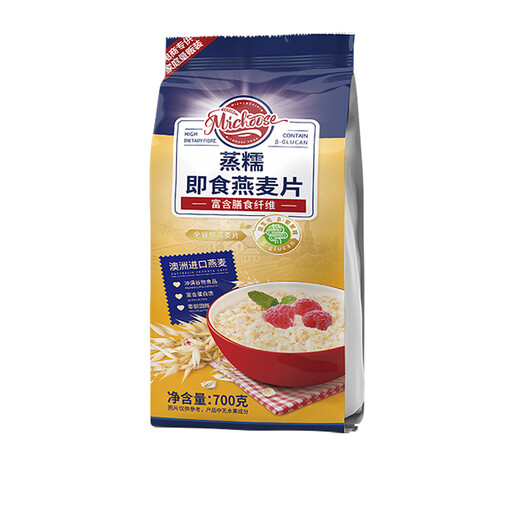 No image available
This larger bag can suit a group stay with reliable hot water, but portions need measuring and the pack needs resealing after opening.
The listing states a one-minute add-hot-water method and 9.9g dietary fibre per 100g.
Check the pack for portion guidance and current allergen information before serving a guest with coeliac disease.
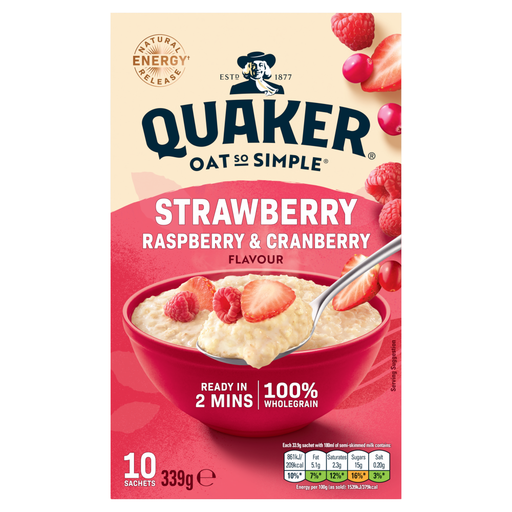 No image available
Ten berry-flavoured sachets offer a stated two-minute microwave method using milk for compact cottage breakfasts.
The listing states 7.2g fibre per 100g and a 33.9g sachet serving.
It contains cereals containing gluten and may contain barley, soya and wheat; fibre per sachet is not stated.
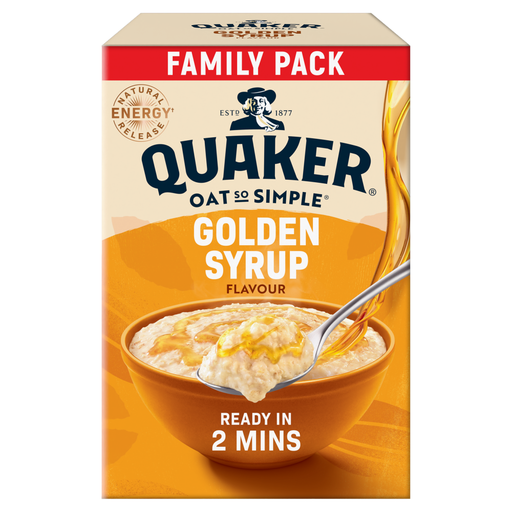 No image available
Twenty individual sachets can suit a longer stay or shared breakfast cupboard where a microwave-safe bowl and milk are available.
The listing states 36g portions, a two-minute microwave method, 7.3g dietary fibre per 100g and 2.6g per sachet.
It contains oat gluten and may contain barley, wheat and soya; the listing also states 6.4g sugars per sachet.
 No image available
This 1kg oat-flake bag suits self-caterers who need clearly labelled gluten-free oats and can prepare oats from flakes.
The listing states 8.6g fibre per 100g and 3.4g per 40g portion.
Check the cooking instructions, time and required equipment; this is not an individually portioned instant-oat format.
NHS guidance says adults should aim for 30g of dietary fibre a day as part of a balanced diet. A porridge serving can contribute to that total, but it is not the only fibre source needed across the day.
No. Coeliac UK says many standard oats may be contaminated because they are produced alongside wheat, barley and rye. Choose oats specifically labelled gluten free and check the current pack information; some people remain sensitive to gluten-free oats and may need individual professional advice.
Confirm whether the cottage has a microwave, hob, kettle and microwave-safe bowl. Quaker sachets have microwave or hob instructions, whereas the Quaker Original Pot requires boiling water and is not suitable for microwaving.
If your usual diet is low in fibre, NHS hospital guidance advises increasing fibre gradually and drinking plenty of fluids, as a sudden increase may cause bloating or discomfort. This is general dietary guidance rather than individual medical advice.