Low-fat diet shoppers using oat pots for breakfast
Compare fat and saturated fat per prepared pot rather than relying on front-of-pack wording. Tesco and Sainsbury’s original pots provide specific lower-fat comparison points.


Choose an original or plain instant-oat product by comparing fibre with fat and saturated fat for the serving you will actually prepare. A lower-fat original pot can suit an everyday breakfast, while a product with more fibre may contain more fat from its recipe; also check sugars, allergens and whether preparation with water is possible.
Compare fat and saturated fat per prepared pot rather than relying on front-of-pack wording. Tesco and Sainsbury’s original pots provide specific lower-fat comparison points.
Look for a stated fibre value per serving and view it as part of the day’s food choices. NHS guidance says adults should aim for 30g of dietary fibre a day as part of a healthy balanced diet.
Choose a preparation format that fits your routine, then check the current pack for milk, oats, gluten status, precautionary allergen statements and preparation instructions.
Start with the prepared serving you expect to eat, then compare fibre, fat, saturated fat, sugars and ingredient information on the same basis.
| Priority | What to check | Your needs |
|---|---|---|
| Fibre per serving | Compare fibre grams for the prepared serving and check serving size. NHS guidance places the adult daily fibre guideline at 30g as part of a healthy balanced diet. | I want breakfast to contribute some fibre, without treating one oat pot as my whole day’s fibre plan. |
| Total fat and saturates | Compare total fat and saturated fat on the same prepared-serving basis. Check whether water, milk powder, seeds or richer ingredients affect the recipe. | I need an instant breakfast that fits a low-fat eating plan, so I compare the nutrition line rather than assuming all oats are low fat. |
| Sugars and flavour | Read both the sugars value and ingredient list. Original and flavoured pots can contain sugar; Tesco Original lists 9.0g sugars per pot prepared with water, while Sainsbury’s Original lists 6.8g per prepared pot. | I want to know whether sweetness comes from added ingredients before choosing a flavour or an original variety. |
| Allergens and preparation | Check milk ingredients, oat and gluten information, precautionary statements and whether the stated method uses water or milk. Only rely on a gluten-free claim where it is explicitly shown on the product. | I need a breakfast that I can prepare safely at home or away from home and that suits any dietary restrictions I must follow. |
Recipes vary. M&S Traditional Porridge Pot lists 9.4g fat and 1.9g saturates per 100g and contains dried whole milk, while lower-fat original pots use skimmed milk powder and have lower prepared-serving values.
Compare total fat and saturated fat on the same basis, ideally the single prepared serving you will eat, and read the ingredients for milk, seeds, nuts and added ingredients.
Fibre and fat are separate nutrition values. A high-fibre product can contain more fat than a lower-fibre alternative, and one pot is only part of the NHS daily fibre guideline.
Use fibre grams per serving to compare products, then check fat, saturates, sugars and serving size before deciding.
Several instant-oat products contain milk powder or carry allergy and cross-contact limitations. A gluten-free label and a general oat product are not interchangeable where coeliac disease, an oat allergy or another medical dietary requirement applies.
Read the current pack and online label immediately before purchase, and choose only products explicitly suitable for the dietary requirement involved.
Original pots can include sugar. Tesco Original lists sugar as an ingredient and 9.0g sugars per prepared pot; Quaker Original lists sugar and 10.6g sugars per serving.
If reducing added sugars matters, look for an explicit no-added-sugar statement and check the current ingredient list and sugars line.
Own-label instant-oat pots in original, fruit and flavoured formats, including an Original 55g pot prepared with water.
Own-label instant porridge pots including an Original 50g format for comparing prepared-serving nutrition.
A branded instant-porridge range with original pots and sachet formats.
A plain jumbo-oat pot option with a no-added-sugar statement and a gluten-free label on the verified product page.
Foodhall porridge pots and traditional oats, including an instant Traditional Porridge Pot made with hot water.
An oat specialist offering plain organic sachets and quick-oat formats, including options prepared with water or milk.
Joybuy instant-oat options for quick breakfasts, including plain water-preparable oats and microwave sachets. Compare each product’s stated serving information and preparation method with your own low-fat and fibre priorities.
 No image available
A plain sachet option that can be prepared with water or milk, helping you control what is added.
Each 38.5g sachet states 3.5g fibre, 3.0g fat and 0.5g saturates; ingredients are 100% wholegrain rolled oats. It contains oats and is not presented as gluten-free, so check suitability where a coeliac or gluten-related medical requirement applies.
 No image available
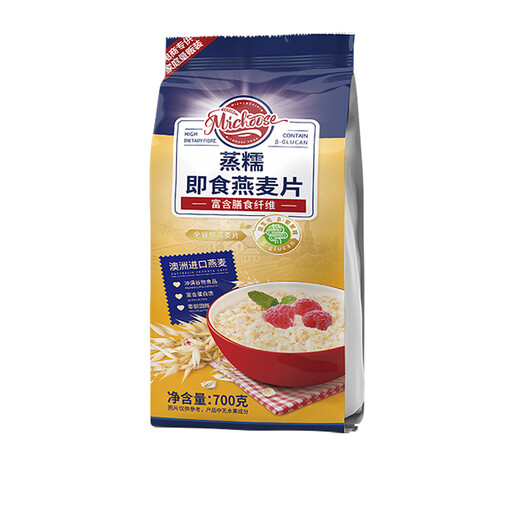
A large-bag plain oatmeal option for shoppers who prefer to portion breakfast themselves and prepare it with hot water.
The listing describes 100% oatmeal, a one-minute hot-water method, 9.9g dietary fibre per 100g and no saturated fat. Check the full nutrition panel, serving guidance and current allergen information before using it for a low-fat comparison or a medical dietary requirement.
 No image available
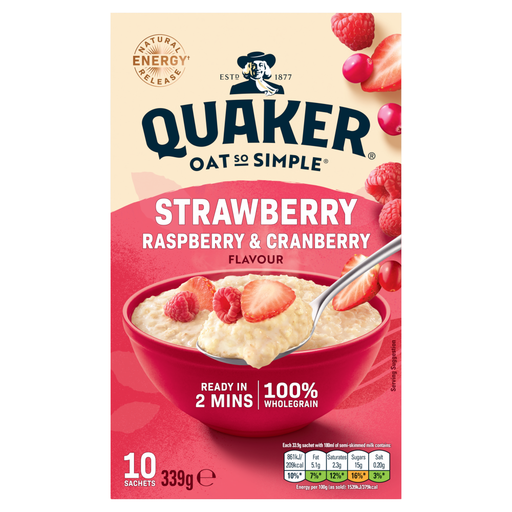
A flavoured microwave sachet for a fast breakfast, with a stated two-minute preparation method.
The product information states 79% wholegrain rolled oats and 7.2g fibre per 100g. It contains sugar and lists 19g sugars per 100g; its stated preparation uses semi-skimmed milk, which changes the finished meal’s fat and saturated-fat intake. It contains oats and cereals containing gluten and may contain barley, soya and wheat.
 No image available
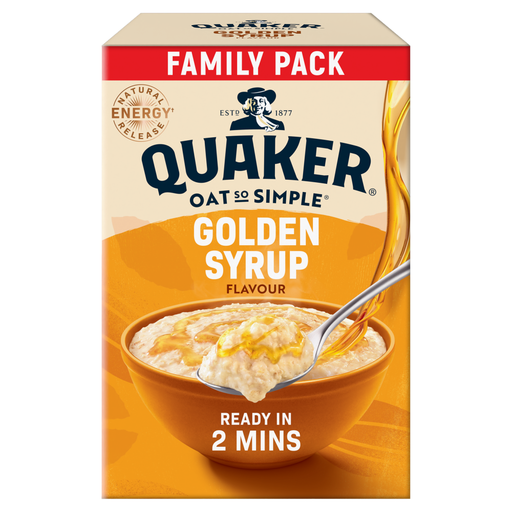
A portion-controlled microwave sachet option for busy households, with a stated two-minute preparation method.
Each 36g sachet lists 2.6g fibre, 2.3g fat and 0.4g saturates, plus 6.4g sugars. The stated preparation uses milk, which increases the finished meal’s fat and saturated-fat intake; it contains oats and may contain barley, wheat and soya.
No. Fibre and fat are separate values. MOMA Jumbo Oat Porridge Plain is labelled high in fibre and provides 4.8g fibre per serving, but it also provides 3.4g fat, so compare total fat and saturated fat alongside fibre.
NHS guidance says the government guideline is 30g of dietary fibre a day for adults as part of a healthy balanced diet. A porridge pot can contribute to that amount, but it is not the whole day’s fibre plan.
Follow the product’s stated preparation instructions and check whether its nutrition is already calculated with water. Tesco and Sainsbury’s original-pot figures are for products prepared with boiling water; adding milk changes the final fat, saturated-fat and calorie intake. Flahavan’s organic sachets can be made with water or milk.
No. Choose only a product explicitly labelled gluten-free where it suits your medical needs, and check the pack’s allergen information. Food Standards Agency guidance states that foods labelled gluten-free must contain no more than 20mg/kg gluten and that oats must still be emphasised as an allergen; M&S Traditional Porridge Pot states that it is not suitable for coeliacs.
Check current ingredients, allergens, nutrition information, net quantity, date marking and preparation or storage instructions. UK government food-labelling guidance requires pre-packed foods to provide key information including an ingredient list with allergens, weight or volume, date marking and responsible food-business details.