People wanting a warm, low-effort light dinner
A pot or microwave sachet can suit a comforting evening bowl when you want little preparation. Consider whether the portion and any toppings will be enough for your appetite.


Choose an instant oat product explicitly labelled high in fibre when fibre density is your priority, then compare the per-portion amount, preparation method and allergen information on the current pack. A pot or sachet can make a warm light meal, but add suitable foods alongside it when you need a more substantial dinner; NHS guidance also advises getting fibre from varied sources and increasing it gradually if your usual intake is low.
A pot or microwave sachet can suit a comforting evening bowl when you want little preparation. Consider whether the portion and any toppings will be enough for your appetite.
Choose products with a clear fibre figure or an explicit high-fibre claim. NHS guidance advises varying fibre sources, while Milton Keynes University Hospital NHS Foundation Trust advises gradual increases when intake has been low.
Plain oats, seed blends and milk-containing pots can differ substantially. Check the current ingredients, allergen declaration and suitability statement rather than assuming all instant oats are alike.
Start with the fibre figure on a comparable basis, then make sure the portion, preparation method and ingredients work for an evening meal.
| Priority | What to check | Your needs |
|---|---|---|
| Fibre contribution | Check whether the pack makes a high-fibre claim; compare fibre per 100g and per portion on the same basis; distinguish dry and prepared values. | I want to see what one bowl contributes, rather than relying on a wholegrain description alone. Under the UK nutrition-claim rules published on legislation.gov.uk, a high-fibre claim requires at least 6g per 100g or 3g per 100 kcal. |
| Evening portion | Check sachet or pot size; consider whether toppings or a side are needed; keep the bowl aligned with your appetite. | A warm oat bowl may suit me as a light dinner, but I may want fruit, vegetables, pulses, nuts, seeds, yoghurt or another suitable protein-containing food alongside it for a more substantial meal. |
| Preparation and tolerance | Confirm whether boiling water, milk, water and a microwave are needed; follow the stated liquid amount; check ingredients and allergens on the current pack. | I need a method that fits my evening routine. If I am raising fibre from a low intake, I will do so gradually and follow suitable fluid advice for my circumstances. |
Fibre figures can vary by recipe and by whether the label shows dry or prepared food. A wholegrain-oat description does not by itself establish a high-fibre claim.
Look for an explicit high-fibre claim, then compare the fibre line per 100g and per portion you expect to eat.
A single pot or sachet may be a light meal rather than the full evening meal you need. NHS guidance recommends obtaining fibre from a variety of sources.
Use oats as a base and add foods that suit your diet, such as fruit, vegetables, pulses, nuts, seeds or a suitable protein source.
A sudden increase in fibre can cause bloating for some people. Milton Keynes University Hospital NHS Foundation Trust advises increasing fibre gradually when intake has been low.
Introduce higher-fibre options step by step and follow appropriate fluid advice, especially if a clinician has given you individual guidance.
Declared allergens and suitability statements differ between products, including possible cereal or soya cross-contact and products marked unsuitable for coeliacs.
Read the current ingredient list, allergen declaration and suitability statement before purchase when these requirements matter.
A ready-to-prepare high-fibre oat pot reference for shoppers who prefer boiling-water preparation.
A portioned porridge sachet reference for shoppers who want a three-minute microwave method.
A plain, portioned microwave-oat reference that can be adapted for sweet or savoury bowls.
A supermarket own-label plain instant-oat reference for shoppers who prefer to choose their own toppings and flavourings.
Joybuy product options for a warm, low-effort oat bowl, including plain larger sachets and ready-flavoured microwave options.
 No image available
A larger plain-oat sachet for a customisable warm evening bowl.
100% wholegrain rolled oats; 9.0g fibre per 100g and 3.5g per 38.5g sachet; microwave preparation in 2.5 minutes. One sachet remains a light portion, so add suitable toppings or sides if needed.
 No image available
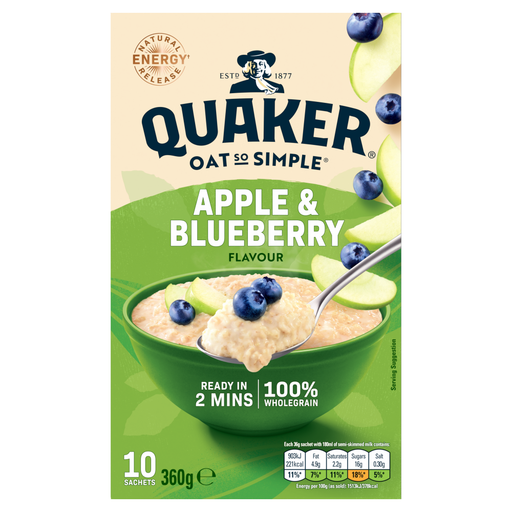
A sweet, portioned porridge option for a quick microwave bowl.
81% wholegrain oats; 7.3g fibre per 100g and 2.6g per dry sachet; stated preparation uses 180ml milk and two minutes in a microwave. Contains oats and may contain barley, wheat and soya.
 No image available
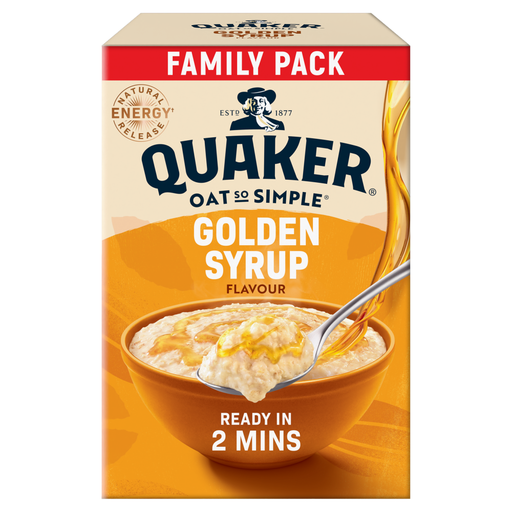
A ready-flavoured fruit porridge for a warm, convenient light meal.
77% wholegrain oat flakes with dried fruit pieces; 7.2g fibre per 100g and 2.6g per 36g serving. Check the current pack if allergen or coeliac suitability is relevant.
 No image available
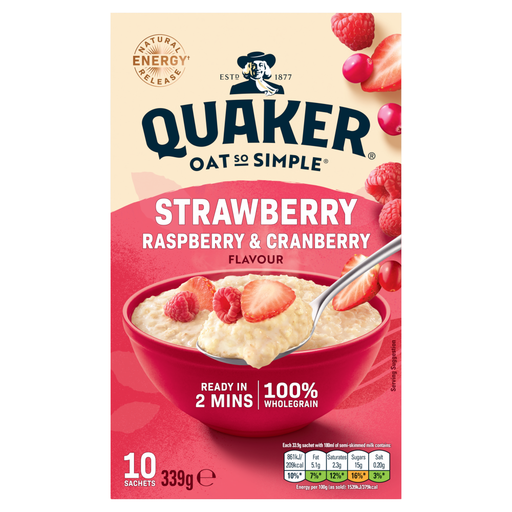
A berry-flavoured microwave sachet for a sweet comfort bowl.
79% wholegrain oats with fruit pieces; 7.2g fibre per 100g; stated preparation uses milk and a 900W microwave for two minutes. Check the pack for the per-sachet fibre amount and allergen details.
 No image available
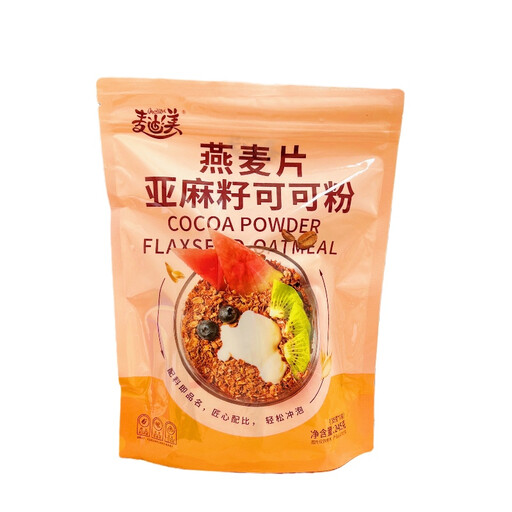
A cocoa-and-flaxseed oat blend with several stated preparation options.
The listing names oatmeal, flaxseed and cocoa powder, with hot-water, milk, microwave and overnight preparation options. Check the current nutrition panel, serving size and allergen declaration if fibre contribution or dietary suitability is important.
Under the nutrition-claim threshold published on legislation.gov.uk, a food may claim to be high in fibre only if it contains at least 6g fibre per 100g or at least 3g per 100 kcal. This threshold is not a personal recommendation for how much to eat.
They can work as a warm light meal when that suits your appetite. If you want a more substantial dinner, add suitable foods alongside the oats; NHS guidance recommends getting fibre from a variety of sources.
No. Milton Keynes University Hospital NHS Foundation Trust advises increasing fibre gradually when intake has been low to reduce bloating risk. Follow appropriate fluid advice for your circumstances, particularly if you have been given a prescribed fluid target.
No. Suitability is product-specific: Quaker Original states that it may contain wheat, barley and soya, while M&S Traditional Porridge states that it is not suitable for coeliacs or for people with milk, nut, peanut or wheat allergy. Check the current pack.
Yes. Use online information to compare products, but read the current physical pack for ingredients, allergens, nutrition and preparation instructions before purchase or use.