Busy high-protein breakfast eaters
People looking for microwaveable or add-water oats with added protein, while still checking how much fibre the product contributes to their wider diet.


Compare fibre and protein in the same per-100g nutrition column before choosing instant oats. Protein-fortified sachets can provide both, while higher-fibre plain porridge may suit you better if you are happy to add a separate protein food or drink; also check preparation method, sugars and allergens.
People looking for microwaveable or add-water oats with added protein, while still checking how much fibre the product contributes to their wider diet.
People following a protein-focused eating pattern who want oats to contribute fibre. NHS guidance says adults should aim for 30g of dietary fibre a day as part of a healthy balanced diet.
People who need to compare the protein source and current allergen declaration carefully, as reviewed products may include soy, wheat, barley or milk.
Start with the dry per-100g panel, then check what the stated serving includes and whether the flavour, ingredients and preparation method suit your routine.
| Priority | What to check | Your needs |
|---|---|---|
| Fibre and protein together | Compare fibre and protein per 100g; check whether figures refer to dry product or a prepared bowl; compare like-for-like portion bases. | I want oats that contribute both fibre and protein, rather than relying on a front-of-pack protein claim alone. |
| Fibre contribution | Check fibre per 100g and consider the product alongside other fibre-containing foods in your diet; do not treat one serving as the whole daily amount. | I am using porridge as one source of fibre within a varied diet. NHS guidance recommends 30g of dietary fibre daily for adults as part of a healthy balanced diet. |
| Sugars in flavoured oats | Read the ‘of which sugars’ line; compare per-100g values where pack sizes differ; check prepared-pot figures for the amount in one portion. | I want to know how chocolate or syrup flavouring affects the sugars shown on the nutrition panel. |
| Allergens and protein source | Check the current pack for soy, wheat, barley, milk and cross-contact statements; confirm the source of added protein; do not assume oats alone meet gluten-related requirements. | I need a product whose ingredients and allergen information work for my own dietary requirements. |
Protein and fibre do not automatically increase together. Tesco High Protein Instant Oats Golden Syrup lists 11.3g protein and 2.0g fibre per prepared pot, while other reviewed products show different fibre levels.
Check protein and fibre in the same nutrition column, preferably per 100g, before comparing products.
Milk can change the protein, sugars, fat and energy in a prepared bowl, whereas water does not. Quaker’s prepared values use semi-skimmed milk, while Tesco’s reviewed pot uses boiling water.
Compare dry per-100g figures first, then use the liquid you actually plan to add when judging the finished bowl.
Flavoured products can combine protein and fibre while also listing substantial sugars. M&S High Protein Chocolate Porridge lists 21.9g sugars per 100g.
For chocolate or syrup flavours, read the ‘of which sugars’ line alongside protein and fibre and compare with alternatives that fit your preferences.
Tesco’s reviewed high-protein pot was out of stock when listed, and Flahavan’s High Protein Porridge Pot is stated to be available only in Tesco Northern Ireland.
Check current local stock before planning breakfast around a particular single-serve protein pot.
UK instant oat sachets including the Protein Original line for shoppers seeking added soy protein in a microwaveable porridge format.
Foodhall instant porridge options covering both a traditional higher-fibre sachet route and a high-protein chocolate pot.
Supermarket own-brand single-serve instant oat pots, including a high-protein golden-syrup option with wheat protein.
Oat products including a high-protein vanilla porridge pot for an on-the-go breakfast or workout-adjacent meal.
Joybuy product options for a protein-focused breakfast where fibre, preparation format, sugars and allergen information are relevant checks.
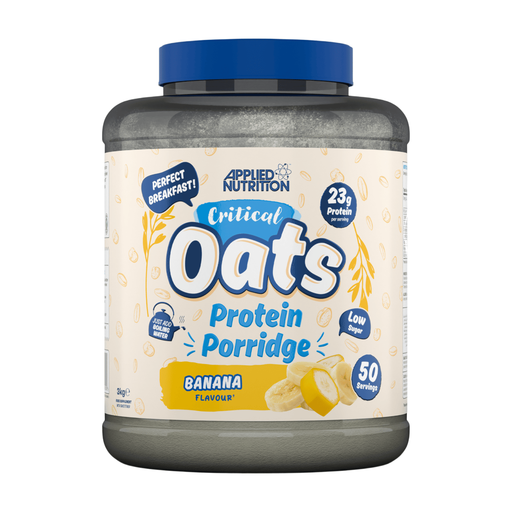 No image available
An oat-based option for a high-protein breakfast or snack routine, with hot or cold water or milk preparation.
The stated panel lists 38.4g protein and 6.5g fibre per 100g, with 2.3g sugars per 100g. Described as a food supplement rather than a standard instant oat sachet or pot; contains oats, whey, milk and soy.
 No image available
A fibre-first microwaveable oat sachet for people who prefer to choose a separate protein addition.
The dry panel lists 9.0g fibre and 11g protein per 100g, with 2½-minute preparation. Prepared values change when semi-skimmed milk is used; contains oats.
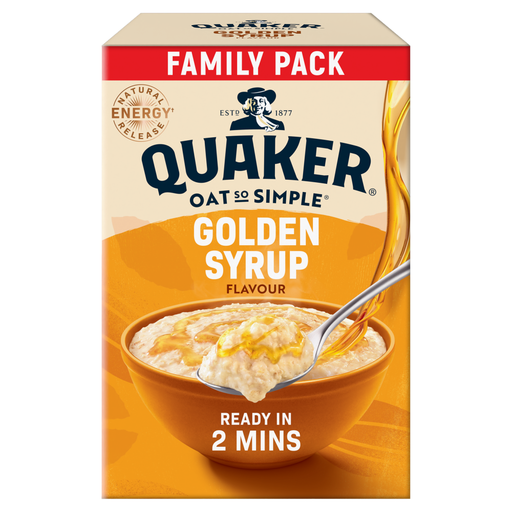 No image available
Portioned microwave oats for a routine breakfast where protein can be added separately.
The dry panel states 7.3g fibre and 9.0g protein per 100g; preparation takes 2 minutes. It lists 18g sugars per 100g and may contain barley, wheat and soy.
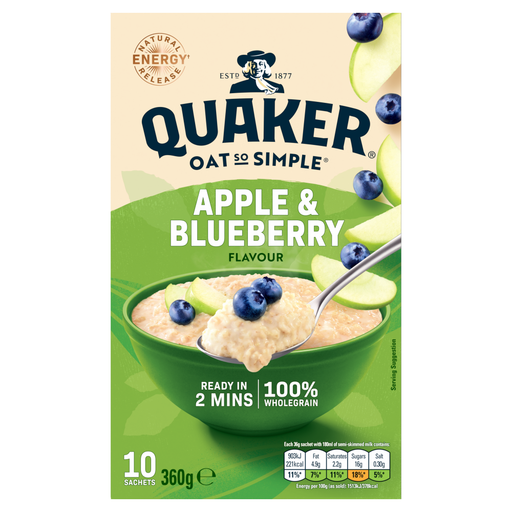 No image available
A quick flavoured porridge option for a fibre-containing breakfast with a separate protein food or drink.
The dry nutrition panel lists 7.2g fibre and 8.6g protein per 100g, with 2-minute preparation. It lists 21g sugars per 100g and may contain wheat, barley and soybeans.
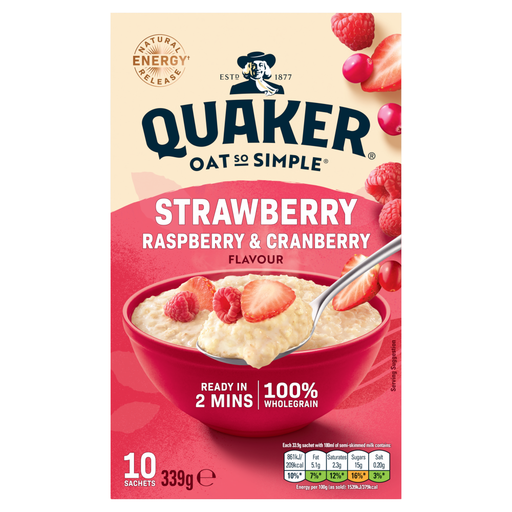 No image available
Single microwave sachets for a fibre-containing breakfast when you intend to add protein separately.
The dry nutrition panel lists 7.2g fibre and 8.8g protein per 100g, with 2-minute preparation. It lists 19g sugars per 100g and may contain barley, soy and wheat.
Use the per-100g column first because pot and sachet sizes differ. Then check whether serving figures refer to dry product only or include milk or water; Quaker’s prepared values include 190ml semi-skimmed milk, while Tesco’s reviewed pot uses 170ml boiling water.
No. The reviewed Tesco High Protein Golden Syrup pot lists 11.3g protein and 2.0g fibre per prepared pot, while Quaker Protein Original lists 2.7g fibre per dry sachet and M&S High Protein Chocolate Porridge lists 6.5g fibre per 100g. Check both nutrition lines rather than relying on the protein claim.
NHS guidance says government guidelines recommend 30g of dietary fibre a day for adults as part of a healthy balanced diet. A porridge serving is one contribution alongside fibre from other foods.
Read the current pack declaration for the exact product. Quaker Protein Original contains soy and may contain wheat and barley; M&S High Protein Chocolate Porridge contains oats, barley and milk; Tesco’s reviewed high-protein pot contains wheat protein and milk ingredients; M&S Traditional Porridge is marked unsuitable for coeliacs.
Use online information to compare products, but confirm the physical pack label, current stock and current product details before purchase because ingredients, nutrition and allergen information can change.