Fibre-first cereal shoppers
For shoppers who want to compare fibre per 100 g rather than relying on broad wholegrain or wellbeing wording. UK nutrition-claim rules set the high-fibre threshold at 6 g per 100 g or 3 g per 100 kcal.


Start with the nutrition panel: under UK nutrition-claim rules, a muesli described as high fibre must contain at least 6 g of fibre per 100 g or 3 g per 100 kcal. Dorset Cereals Gloriously Nutty, Jordans Natural Muesli, Tesco Swiss Style No Added Sugar and Alpen No Added Sugar all meet the per-100-g threshold in their stated nutrition information, but allergen information, sugars and the wider breakfast matter as much as the front-of-pack claim.
For shoppers who want to compare fibre per 100 g rather than relying on broad wholegrain or wellbeing wording. UK nutrition-claim rules set the high-fibre threshold at 6 g per 100 g or 3 g per 100 kcal.
For anyone using muesli as a separate lighter breakfast or as one part of a morning meal, without expecting one cereal to determine the nutritional balance of the whole breakfast.
For people comparing nuts, gluten-containing cereals, milk ingredients and sugars alongside fibre. A no-added-sugar recipe can still contain sugars from ingredients such as dried fruit.
Compare the nutrition panel on a per-100-g basis first, then check ingredients, allergens and how the cereal fits with the rest of your breakfast.
| Priority | What to check | Your needs |
|---|---|---|
| Fibre declaration | Check fibre per 100 g. For a UK high-fibre claim, look for at least 6 g per 100 g or 3 g per 100 kcal. Compare products on the same basis rather than by serving alone. | I want a cereal that genuinely meets the high-fibre standard, with a stated figure that lets me compare products fairly. |
| Sugars and dried fruit | Read sugars per 100 g alongside the ingredients list. Look for raisins, dates and other dried fruit that give context to the listed sugars. | A no-added-sugar name is not enough for me; I want to see the total sugars in the cereal I am considering. |
| Allergen suitability | Check named allergens and may-contain statements for nuts, milk and gluten-containing cereals. Read the current pack because recipes and warnings can change. | I need to rule out unsuitable ingredients before comparing fibre or other features. |
| Gradual dietary change | Consider the fibre amount in your usual portion and your wider diet. If increasing fibre intake, do so gradually, drink enough fluids and include fibre from varied foods. | I want a breakfast cereal that fits comfortably into my routine rather than making a sudden large change to my fibre intake. |
Dried fruit can contribute to the sugars shown on the nutrition panel even where no sugar has been added. Tesco Swiss Style No Added Sugar lists 13.3 g sugars per 100 g, while Alpen No Added Sugar lists 18 g per 100 g.
Compare sugars per 100 g and read the ingredients list for raisins, dates and other dried fruit before deciding how it suits your usual breakfast.
A high-fibre claim confirms that a product reaches a threshold, but it does not make different mueslis identical. The quantified examples range from 8.0 g to 9.8 g fibre per 100 g and have different ingredients and allergen profiles.
Verify the fibre figure first, then compare sugars, ingredients, serving size and dietary suitability on the same per-100-g basis.
The mueslis discussed here contain, or may contain, combinations of oats, wheat, barley, nuts and, in some recipes, milk ingredients.
Read the current physical pack before eating, especially where an allergy is involved. Organic, wholegrain, no-added-sugar or plant-based positioning does not by itself confirm that a product is free from particular allergens.
A rapid increase in dietary fibre can cause bloating, wind or cramps for some people, and cereal is not the only useful fibre source in a varied diet.
Increase fibre gradually, drink enough fluids and include wholegrains, fruit, vegetables, pulses, nuts and seeds as appropriate for your dietary needs. NHS guidance recommends 30 g of fibre a day for adults as part of a healthy balanced diet.
A reference point for shoppers prioritising a quantified high-fibre muesli with a nut-heavy texture profile. Gloriously Nutty declares 9.8 g fibre per 100 g.
Natural Muesli is a no-added-salt and no-added-sugar option with a stated fibre value of 9.2 g per 100 g.
Tesco Swiss Style No Added Sugar Muesli is an own-label 1 kg option declaring 8.5 g fibre per 100 g.
Alpen No Added Sugar is a mainstream wholegrain muesli with a stated fibre value of 8.0 g per 100 g.
The Ultimate Muesli is positioned by the brand as high fibre, organic, plant based and whole grain.
Lizi's presents its Super Muesli range as low sugar and high fibre, with added vitamins and minerals.
Joybuy product options for a high-fibre breakfast cereal choice around a full Scottish breakfast.
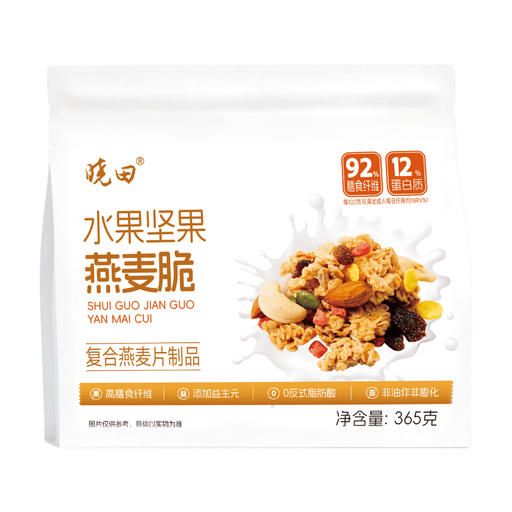 No image available
A ready-to-eat fruit-and-nut oat cereal that can be served with milk or yoghurt as a breakfast component or separate lighter option.
The nutrition table states 22.9 g dietary fibre per 100 g. It contains gluten-containing oats, almonds and cashews; check the physical pack for sugars per 100 g and for suitability if you want conventional loose muesli rather than a crunchy cereal.
Under UK nutrition-claim rules, a food may use a high-fibre claim only when it contains at least 6 g fibre per 100 g or 3 g fibre per 100 kcal. Compare nutrition panels per 100 g because pack serving sizes differ.
Yes. No added sugar does not mean sugar-free: Tesco Swiss Style No Added Sugar lists 13.3 g sugars per 100 g and Alpen No Added Sugar lists 18 g per 100 g. Check both the sugars line and the ingredients list, including dried fruit.
Not automatically. The products discussed contain different combinations of oats, wheat, barley, nuts and, in some recipes, milk. Check the current on-pack allergen statement every time; Jordans advises people with any nut allergy not to eat its Natural Muesli because its production site handles varied nuts.
It is usually more practical to increase fibre gradually if your current intake is low. NHS guidance recommends 30 g of fibre a day for adults as part of a healthy balanced diet, with fibre coming from varied foods and enough fluids.
No. A high-fibre claim confirms a nutrient threshold, not an individual energy outcome. Choose using fibre, serving size, the total meal, dietary needs and your own tolerance rather than treating the claim as a personalised performance promise.