Hotel breakfast managers building a fibre-priority cereal station
For managers who need comparable per-100g nutrition figures when selecting a high-fibre muesli, rather than relying on broad front-of-pack wording.


For a hotel buffet, compare the current nutrition panel per 100g and select a muesli with a declared fibre figure that supports a high-fibre claim. Jordans Natural Muesli, Alpen No Added Sugar, Alpen Original and Dorset Cereals Delicious Fruit & Nut have declared fibre values from 7.2g to 9.2g per 100g; recipe choice should also account for sugars, flavour variety and clear allergen controls.
For managers who need comparable per-100g nutrition figures when selecting a high-fibre muesli, rather than relying on broad front-of-pack wording.
For buffet teams that need allergen information for loose or prepacked food and practical controls for cross-contact, particularly where mueslis contain gluten cereals and nuts. The Food Standards Agency and Food Standards Scotland require allergen information for both prepacked and non-prepacked food.
For operators considering fruit-and-nut, no-added-sugar, organic or plant-based muesli routes while keeping nutrition communication tied to the current product specification.
| Priority | What to check | Buffet needs |
|---|---|---|
| Declared fibre | Compare the current nutrition panel per 100g. For a high-fibre claim, check that the product contains at least 6g fibre per 100g, as set out in UK nutrition-claim rules. | I need a clearly documented fibre figure so the cereal station can be described accurately and compared consistently. |
| Allergen information | Check ingredients, highlighted allergens and any may-contain statement for every SKU. Keep a current allergen matrix and separate serving utensils. | Guests need allergen information before choosing food, and the team needs a controlled refill and serving process for cereals containing gluten, milk or nuts. |
| Sugars and recipe wording | Compare sugars per 100g on like-for-like panels. Keep no-added-sugar wording separate from sugar-free wording. | I may want a lower-sugar breakfast route, but the menu wording must still reflect sugars naturally present in ingredients such as dried fruit. |
| Flavour and assortment fit | Review the cereal base, fruit, nuts, seeds and any organic or plant-based positioning. Confirm that the current specification fits the intended assortment. | A buffet can offer a straightforward cereal route alongside fruit-and-nut or plant-based options, provided each recipe has its own clear ingredient information. |
Verified mueslis in this comparison range from 7.2g to 9.2g fibre per 100g, so wholegrain wording alone does not provide a like-for-like comparison.
Obtain the current nutrition panel and compare fibre per 100g. Use the 6g-per-100g threshold before presenting a cereal as high fibre.
Dried fruit can contribute sugars even where a recipe has no added sugar. Alpen No Added Sugar lists 18g sugars per 100g, while Dorset Cereals Delicious Fruit & Nut lists 19g per 100g.
Use the exact on-pack claim and compare the declared sugars value per 100g. Do not describe a product as sugar-free unless the current pack supports that claim.
The researched mueslis commonly contain regulated allergens, including cereals containing gluten and nuts. Food businesses must provide allergen information for packaged and loose food.
Maintain a current allergen matrix, use dedicated cleaned utensils, prevent mix-ups during refills and make the information available before guests choose food.
Organic, plant-based or specialist positioning does not replace a current nutrition panel, ingredient declaration or foodservice information.
Request the current product specification, ingredient list, nutrition panel, allergen declaration, case size, shelf life and supply terms before using nutrition or suitability wording at the buffet.
A muesli range including Natural, Fruit & Nut and Berry Burst recipes. Jordans Natural Muesli is the highest declared-fibre option among the compared products at 9.2g per 100g.
A mainstream wholegrain muesli range with Original and No Added Sugar variants that the manufacturer labels high in fibre.
A muesli range built around toasted wholegrain flakes with fruit, nuts and seeds. Delicious Fruit & Nut is a no-added-sugar, high-fibre route according to the manufacturer.
A specialist muesli brand with organic, plant-based and wholegrain positioning. The manufacturer labels The Ultimate Muesli high fibre.
A cereal brand selling granola and muesli, including a Super Muesli range positioned by Lizi’s as low sugar, high fibre and fortified with vitamins and minerals.
A UK grocery retailer that can be used as an availability cross-check for mainstream high-fibre cereal listings, including Alpen muesli products.
Joybuy options for a fibre-priority hotel breakfast cereal station, including a muesli route and a fruit-and-nut oat cereal alternative.
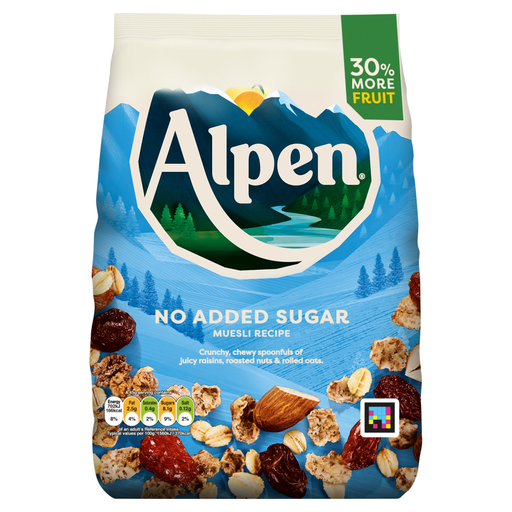 No image available
For a managed cereal station seeking a muesli with declared fibre and sugars figures per 100g.
Declared nutrition: 8.0g fibre and 18g sugars per 100g.
Contains wheat, oats, milk, almonds and hazelnuts; it may also contain other nuts. Keep the current allergen statement available and use controlled serving utensils.
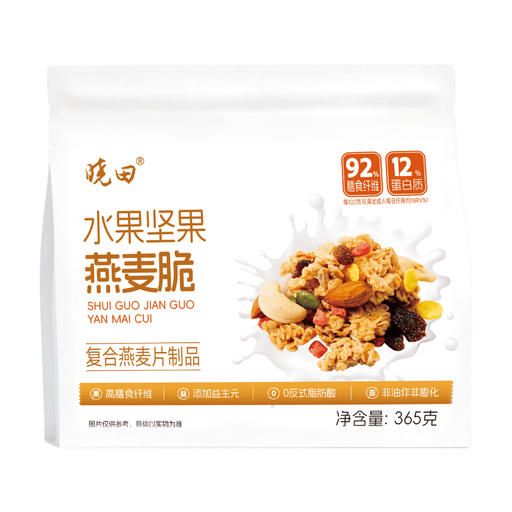 No image available
A fruit-and-nut oat cereal alternative for a breakfast station needing a distinct cereal profile.
Declared dietary fibre: 22.9g per 100g. The recipe includes oats, dried fruit, seeds, almonds and cashews.
Confirm that this oat cereal format suits a muesli-specific assortment, and check the current pack before making sugar-related claims. Accurate allergen information and cross-contact controls remain necessary.
Use a current nutrition panel showing at least 6g fibre per 100g. This is the threshold for a high-fibre claim in UK nutrition-claim rules; compare products per 100g rather than per serving because serving sizes can differ.
No single muesli should be presented as independently providing sustained energy. The NHS advises increasing dietary fibre as part of a healthy balanced diet, so consider the portion size and the wider breakfast offer rather than making a promise based on fibre alone.
Yes. The Food Standards Agency states that food businesses in England, Wales and Northern Ireland must provide allergen information for both prepacked and non-prepacked food and drink; Food Standards Scotland gives the same requirement for Scotland. Make the information available before guests choose food.
The compared mueslis commonly contain cereals containing gluten and tree nuts, while Alpen recipes also contain milk. Check each current pack and supplier specification because ingredients and may-contain statements can change; removing visible nuts does not make a cereal suitable for a guest with an allergy.
No. Alpen No Added Sugar lists 18g sugars per 100g on the manufacturer nutrition panel. No added sugar is not the same as sugar-free, particularly where ingredients such as dried fruit contribute naturally occurring sugars.