Low-fat-diet shoppers increasing breakfast fibre
Compare fibre, total fat and saturates per 100g, then consider the liquid and toppings used in the finished bowl rather than judging the dry oats alone.


Choose oat bran when getting more fibre from breakfast matters most, but do not assume that a high-fibre oat product is legally low fat. Plain rolled oats offer a simple base for controlling the liquid and toppings, while oats with added wheat bran sit between the two if wheat is suitable for you.
Compare fibre, total fat and saturates per 100g, then consider the liquid and toppings used in the finished bowl rather than judging the dry oats alone.
Oat bran can provide more fibre per 100g than plain rolled oats, but its texture, fat content and allergen information still need product-by-product checking.
Plain oats can suit hot porridge, overnight oats or baking when you want to choose the liquid, portions and additions yourself.
Compare dry products on the same per-100g basis first, then check whether your usual preparation changes the fat, saturated fat or ingredient profile of the bowl.
Choose it when: You want the most concentrated fibre option and are comfortable with a bran-based texture.
Check first: The researched bran examples exceeded the UK low-fat threshold for solid foods, and allergen statements vary.
Choose it when: You prefer a familiar rolled-oat porridge with more declared fibre than standard plain oats.
Check first: Wheat bran changes allergen suitability and the dry product may still exceed the low-fat claim threshold.
Choose it when: Ingredient simplicity and control over the recipe matter more than maximising fibre density.
Check first: The finished bowl can differ substantially from the dry-oat nutrition panel once milk and toppings are added.
| Priority | What to check | Your needs |
|---|---|---|
| Fibre content | Compare declared fibre per 100g and per usual serving. Check whether the product is oat bran, bran-enriched oats or plain rolled oats. | I want breakfast to make a meaningful contribution to fibre intake, so I compare products on the same per-100g basis rather than relying on pack wording. |
| Fat in the dry product | Check total fat and saturates per 100g separately. Under Regulation (EC) No 1924/2006, a solid food can make a low-fat claim only at no more than 3g fat per 100g. | I need to know whether the dry product itself fits a low-fat-labelled requirement, rather than assuming wholegrain oats qualify. |
| Finished-bowl recipe | Compare the chosen liquid, sweeteners and toppings as well as the oats. Use nutrition labels to assess the bowl you actually make. | I want control over the fat and saturated fat added during preparation, especially if I usually use milk, nut butter, seeds or cream. |
| Ingredients and allergens | Read the current ingredient and allergen panel. Check for wheat bran, cereal cross-contact statements and a specific gluten-free claim where needed. | I need an uncomplicated ingredient list or must avoid particular cereals and allergens, so I do not treat plain or organic oats as automatically suitable. |
High-fibre and low-fat are separate nutrition claims. The researched oat-bran products were fibre-dense but declared more than 3g fat per 100g, so they did not meet the low-fat threshold for solid foods.
Check fibre, total fat and saturates per 100g separately. If you specifically need a low-fat-labelled food, do not rely on ordinary dry oats or oat bran without reading the panel.
Milk, alternatives, sweeteners and toppings can change the fat, saturated fat and sugars in a bowl, making it difficult to see which difference comes from the oats.
Compare dry products per 100g, then check the nutrition of your usual liquid and additions separately.
Added wheat bran changes allergen suitability, while oat products can also carry wheat, barley, nut or other cross-contact warnings.
Read the current pack ingredient and allergen panel whenever recipes or packaging change. Where gluten-free or allergen control is medically necessary, choose only a product explicitly labelled as suitable.
Sachets and pots can be useful on rushed mornings, but a large plain-oat pack may better suit regular home preparation.
Consider whether portability or faster preparation genuinely matters for the occasion, and check ingredients as well as portion format before choosing a convenience option.
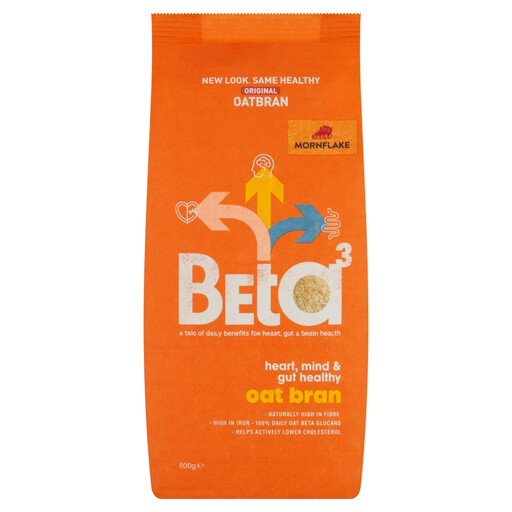
Relevant for oat-bran formats such as Fibreful Oatbran Porridge and Beta³ Oat Bran rather than only ordinary rolled oats.
Relevant for shoppers comparing oat bran, standard porridge oats and different porridge formats from one brand.
Relevant for plain rolled oats used for hot porridge, overnight oats, smoothies or individually tailored toppings.
Relevant for shoppers who prefer organic jumbo rolled oats and a thicker, more textured porridge instead of oat bran.
Relevant for comparing basic own-label rolled oats with a wheat-bran-added alternative.
Joybuy options for oat-bran and plain porridge-oat routines, with declared fibre and dry-product fat information to compare against your preferred preparation.
 No image available
A concentrated oat-bran option for shoppers prioritising declared breakfast fibre and controlling the preparation liquid.
Lists 100% oat bran and declares 19.4g fibre, 7.6g fat and 1.3g saturates per 100g. It is not suitable for wheat or barley allergy sufferers according to the product description.
 No image available
Pre-portioned plain-oat sachets for a quick breakfast where microwave preparation suits the routine.
Lists wholegrain rolled oats as the sole ingredient and declares 9g fibre, 7.7g fat and 1.3g saturates per 100g. The finished-bowl values depend on the liquid and toppings used.
 No image available
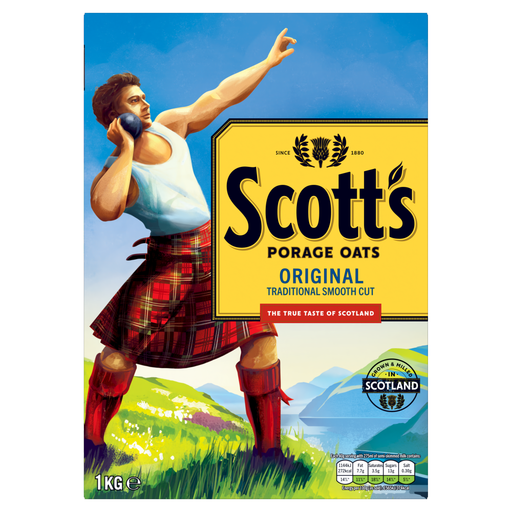
A straightforward plain-oat choice for home porridge when you want to choose the liquid and toppings yourself.
Lists 100% oatmeal and declares 9g dietary fibre, 8g fat and 1.5g saturates per 100g; it may contain wheat and barley.
 No image available
A larger plain-oat pack for regular home preparation with a simple organic oat base.
Lists 100% organic wholegrain oat flakes and declares 8.3g fibre, 5.8g fat and 1g saturates per 100g. It contains oats and is described as containing gluten.
 No image available
A plain organic wholegrain-oat option for cooks who want to tailor the finished bowl.
Lists 100% organic wholegrain oat flakes and declares 8.3g fibre, 5.8g fat and 1g saturates per 100g. Check the current pack if gluten-free suitability is required.
Usually not when assessed as a dry solid food. Regulation (EC) No 1924/2006 permits a low-fat claim for solid foods only at no more than 3g fat per 100g, while the researched oat products declared 4.1g to 8.2g per 100g. Consider the whole prepared bowl as well as the dry oats.
Among the products compared, oat-bran formats declared the most fibre per 100g: Mornflake Fibreful Oatbran Porridge declared 25.6g and Flahavan's Oat Bran declared 16g. The researched bran-added oats declared 13.8g, while the plain rolled-oat examples declared 9g to 9.9g per 100g. The NHS advises increasing fibre gradually and getting it from a variety of foods.
Water is the simplest option if you want to avoid adding milk fat to the bowl. If you use milk or a milk alternative, compare labels and choose an option that fits your dietary approach; the NHS recommends comparing products and considering lower-fat dairy products or alternatives when reducing fat intake.
No. Check for a specific gluten-free claim and the current allergen statement. The Food Standards Agency states that foods labelled gluten-free must contain no more than 20mg/kg gluten as sold, and oats remain an allergen in their own right.