Buying priorities
Start with fibre per 100g, then check the ingredient list, allergen wording and whether the format fits the way you plan to serve the dish.
| Priority |
What to check |
Your needs |
| Fibre per portion |
Compare fibre per 100g and the stated serving size. A UK “high in fibre” claim requires at least 6g per 100g or 3g per 100 kcal under legislation.gov.uk. Check how much oat product your recipe actually uses. |
I want the portion in my dessert or oat course to have a clear, stated fibre contribution, rather than assuming all porridge oats are alike. |
| Gluten and allergens |
Look for an explicit gluten-free label where needed. Read ingredients and may-contain statements for cereals containing gluten, milk, nuts, sesame and soya, and remember that oats remain an allergen. |
I need guests to be able to identify what is in the oat base and each topping before they serve themselves. |
| Recipe format |
Choose loose rolled oats for recipe control, a blend for a ready-flavoured base, or sachets for measured individual portions. Confirm whether the pack suits hot, cold, overnight or baked preparation. |
I want the texture and preparation method to work with my menu and timing, not just with a standard breakfast bowl. |
| Digestive comfort |
Consider fibre density alongside portion size. NHS inform recommends increasing fibre gradually and drinking plenty of fluid when intake is changing. |
I would rather offer a normal portion and another dessert option than make one course an abrupt increase in fibre for a guest. |
Joybuy product options
These Joybuy options cover gluten-free oats, oat bran, plain rolled oats and portioned porridge formats for a fibre-aware dinner-party dish.
 No image available
Morrisons Free From Gluten Free Oats 1kg
A simple oat base for a gluten-free recipe where you want to choose the toppings separately.
Stated fibre: 8.6g per 100g and 3.4g per 40g portion. Ingredients: 100% gluten-free oat flakes.
Oats remain an allergen; check every topping and preparation surface for the individual guest.
Joybuy
 No image available
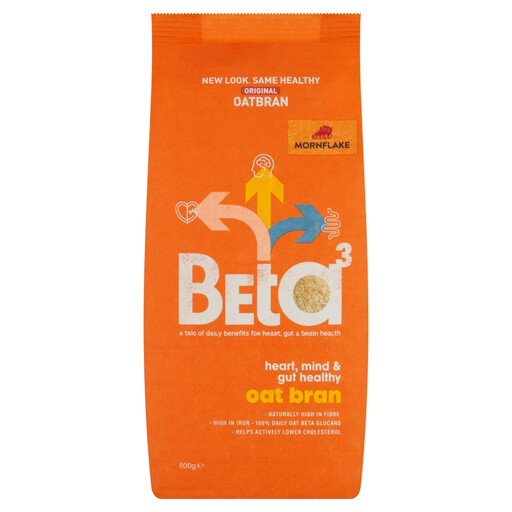
Mornflake Mighty Oats Original Oatbran 800g
An oat-bran option for hosts seeking a high stated fibre figure while choosing their own flavours and toppings.
Stated fibre: 19.4g per 100g. Ingredients: 100% oatbran; a 45g portion provides 3g beta-glucans.
It is not suitable for wheat or barley allergy sufferers according to the product record; check the pack directions if you plan a cold, overnight or baked dish.
Joybuy
 No image available
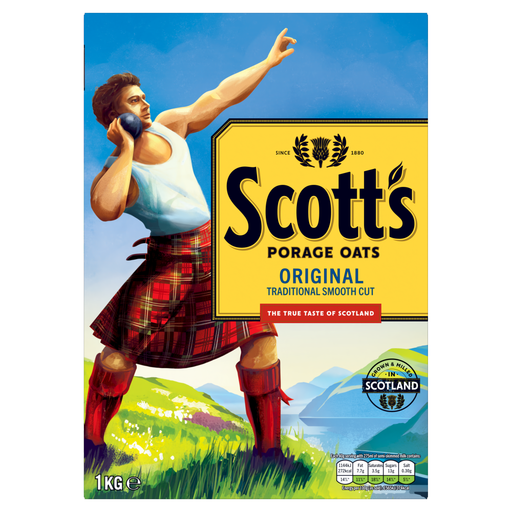
Scotts Porage Oats Original 1kg
A plain porridge-oat base when you want the sweetness and toppings of the finished dish under your control.
Stated fibre: 9.0g per 100g and 3.6g per 40g. Ingredients: 100% oatmeal.
The product may contain wheat and barley, so do not use it as a presumed gluten-free option; check preparation guidance for cold or baked recipes.
Joybuy
 No image available
Quaker Oat So Simple Big Bowl Original 6 Pack 231g
A portioned format for serving individual oat bowls with toppings chosen by the host.
Six 38.5g sachets; stated fibre: 9.0g per 100g and 3.5g per sachet. The stated microwave time is 2.5 minutes.
Gluten-free status is not stated; check the current pack allergen and gluten wording if a guest requires gluten-free food. Sachets may be less convenient for a larger shared dish.
Joybuy
 No image available
Flahavan's Organic Porridge Oats 2kg (2 x 1kg)
A larger plain rolled-oat format for a shared dish where toppings, dairy and fruit are chosen separately.
Stated fibre: 8.3g per 100g and 3.3g per 40g serving. Ingredients: 100% organic wholegrain oat flakes.
The product record identifies oats as containing gluten, so it is not for a gluten-free guest; check recipe guidance if serving it cold or overnight.
Joybuy
Frequently asked questions
What counts as “high in fibre” on a UK product label?
Under legislation.gov.uk, a “high in fibre” claim may be used only where a food contains at least 6g of fibre per 100g or 3g per 100 kcal. Compare the actual fibre line per 100g and the serving size too, as two qualifying products can still contribute different amounts to a bowl or dessert portion.
Are plain, organic or 100% oat products automatically gluten-free?
No. Coeliac UK explains that these descriptions do not show whether oats are gluten-free, because standard oats can be contaminated with wheat, barley or rye. For a guest who needs gluten-free food, choose oats explicitly labelled gluten-free and review the toppings and preparation steps as well.
Can I serve a high-fibre oat dish to someone who does not usually eat much fibre?
Yes, as an ordinary food portion, but avoid treating it as a rapid increase in fibre. NHS inform advises increasing fibre gradually and drinking plenty of fluid because a sudden increase can cause bloating and stomach cramps.
What allergy information should I give dinner-party guests?
Ask about diagnosed allergies or intolerances before planning the dish, keep ingredient packaging available, and identify oats or other cereals containing gluten alongside toppings such as milk, nuts, sesame and soya. Checking labels carefully helps guests make informed choices.
Can oats alone provide the daily fibre target?
Oats can contribute fibre, but they should not be the only source in the menu. NHS guidance recommends a variety of fibre-containing foods, including vegetables, pulses, fruit and wholegrains; the NHS cites a 30g daily fibre target for adults as part of a balanced diet.


