Who these oats may suit

Households increasing everyday fibre intake

If you want a dry-cupboard breakfast base that makes a material fibre contribution, compare the nutrition panel per 100g and per planned serving. The British Nutrition Foundation states that UK adults are advised to consume 30g of fibre a day, while average intake is around 20g or less.

Pantry stockers using oats beyond porridge

Plain rolled or jumbo oats can be the more suitable choice when one pack needs to cover hot porridge, overnight oats and baking, rather than serving as a specialised bran-and-inulin blend.

Ingredient- and allergen-conscious shoppers

Distinguish oat-only products from bran blends and read the current pack’s allergen declaration before buying several bags, particularly where wheat, barley or nuts may be relevant.

What to check before buying

Oat-bran and added-fibre porridge

Choose it when: Fibre density is the main consideration; Mornflake Fibreful Oatbran Porridge lists 25.6g fibre per 100g and 10.2g per 40g portion.

Consider: It contains oat bran and chicory inulin rather than plain rolled oats, with manufacturer allergy-suitability restrictions.

Rolled oats with wheat bran

Choose it when: You want a familiar porridge format with more listed fibre than the plain-oat examples; Waitrose lists 13.8g per 100g.

Consider: The recipe includes 12% wheat bran, so it is not an oat-only product and the labelled cereal allergens matter.

Plain rolled or jumbo oats

Choose it when: You want an oat-only staple for several uses, including porridge, overnight oats and baking.

Consider: Listed fibre density is lower than in the bran-enriched options, and texture and cooking time can vary between products.

Priority What to check Your needs
Fibre per 100g Compare nutrition panels on a per-100g basis. Check the stated serving size separately, as portions differ between products. In the UK, a high-fibre claim requires at least 6g fibre per 100g or 3g per 100 kcal under retained nutrition-claim rules. I want the dry product to provide a meaningful amount of fibre, rather than assuming every porridge oat product has the same level.
Oat-only or blend Read the ingredient list for plain rolled oats, oat bran, chicory inulin or wheat bran. Check whether the chosen format suits the meals you plan to make. A versatile oat-only staple may matter more to me than the highest possible fibre concentration.
Allergen information Read the current ingredient and precautionary allergen statement. Check for stated wheat, barley, nut and other allergen risks before buying in bulk. I need a product that fits the household’s individual dietary requirements, not a general assumption about oats.
Storage and pack format Choose a pack size you can keep cool and dry. Where the pack directs it, store oats in an airtight container after opening and compare shelf labels per kilogram. I want a pantry pack that can be stored neatly and used before its best-before date.

Common pantry-stocking mistakes

  • Assuming all porridge oats have the same fibre level

    Declared fibre varies substantially: Jordans Organic Jumbo Porridge Oats list 8.1g per 100g, while Mornflake Fibreful Oatbran Porridge lists 25.6g per 100g.

    Compare fibre per 100g first. If you want a product marketed as high fibre in the UK, confirm that it meets the applicable threshold on its nutrition information.

  • Treating bran-enriched oats as the same as oat-only products

    Higher-fibre options can achieve their profile in different ways: Mornflake uses oat bran and chicory inulin, while Waitrose Porridge Oats with Wheatbran includes 12% wheat bran.

    Choose a blend only when its ingredients, texture and allergen information suit the household; otherwise, plain rolled oats may be the more practical staple.

  • Buying several bags without checking the current allergen declaration

    Precautionary and allergy statements differ between similar oat products, and recipes can change.

    Read the current pack before stocking up, especially where wheat, barley, nuts or other stated allergens affect someone in the household.

  • Comparing only the ticket price

    Pack weights can differ, making shelf prices difficult to compare directly.

    Use the price per kilogram for a like-for-like comparison, then select a pack size you can store dry and use before its best-before date.

Relevant brand references

Mornflake

A specialist oats and oat-bran option for shoppers prioritising fibre density rather than a plain rolled-oat-only ingredient list.

  • Mornflake Fibreful Oatbran Porridge lists 25.6g fibre per 100g and 10.2g per 40g portion, according to Mornflake.
  • It contains chicory inulin and carries manufacturer allergy-suitability restrictions.

Waitrose

Own-label choices include plain porridge oats and a wheat-bran-enriched product for comparing listed fibre density and ingredients.

  • Waitrose Porridge Oats with Wheatbran lists 13.8g fibre per 100g, compared with 9.9g per 100g for Essential Porridge Oats.
  • The wheat-bran product is not oat-only, and Waitrose advises checking the pack because recipes, nutrition and allergen information can change.

Quaker

A plain rolled-oat pantry staple for households wanting a 100% rolled-oat base rather than a fibre-added blend.

  • Quaker Traditional Rolled Oats list 9.0g fibre per 100g and 3.6g in a 40g portion.
  • The product page states that it may contain wheat and barley, so suitability should not be assumed for every restricted diet.

Flahavan's

A rolled-oat choice for shoppers who prefer an organic, oat-only product and a creamy traditional porridge format.

  • The organic product lists 100% organic wholegrain rolled oats and 8.3g fibre per 100g.
  • Its listed fibre density is lower than the bran-enriched products, making it a simpler staple rather than the highest-fibre route.

Jordans

An organic jumbo-oat option for shoppers who want wholegrain oats and a chunkier porridge texture.

  • Organic Jumbo Porridge Oats list 8.1g fibre per 100g and an organic wholegrain rolled-oat ingredient.
  • The product page states that it may contain other gluten sources and nuts.

Joybuy product options

Joybuy options for stocking plain porridge oats, portioned oats and oat-bran cereal where listed fibre content, ingredients and storage guidance support the high-fibre pantry decision.

Scotts Porage Oats Original Porridge Oats 1kg

Scotts Porage Oats Original 1kg

A plain-oat option for routine porridge and dry-cupboard storage.

Lists 9.0g fibre per 100g and 3.6g per 40g, with 100% oatmeal. Store cool and dry in an airtight container after opening; the listing states that it may contain wheat and barley.

Joybuy

Flahavan's Organic Porridge Oats 2kg, 2 x 1kg

Flahavan's Organic Porridge Oats 2kg (2 x 1kg)

A larger oat-only bundle for households replenishing a regular porridge staple.

Lists 8.3g fibre per 100g and 100% organic wholegrain oat flakes. The listing states that it contains oats; check the current pack against individual dietary requirements.

Joybuy

Flahavan's Organic Porridge Oats 1kg

Flahavan's Organic Porridge Oats 1kg

A 1kg oat-only option for everyday breakfasts and simple dry-cupboard storage.

Lists 8.3g fibre per 100g and 100% organic wholegrain oat flakes. Store in a cool, dry place; the listing states that it contains oats.

Joybuy

Quaker Oat So Simple Big Bowl Original 6 Pack 231g

Quaker Oat So Simple Big Bowl Original 6 Pack 231g

A portioned option for households prioritising microwave preparation over loose oats.

Lists 9.0g fibre per 100g and 3.5g per 38.5g sachet. The six sachets have a stated 2½-minute preparation time and are less suited to loose-oat uses such as baking.

Joybuy
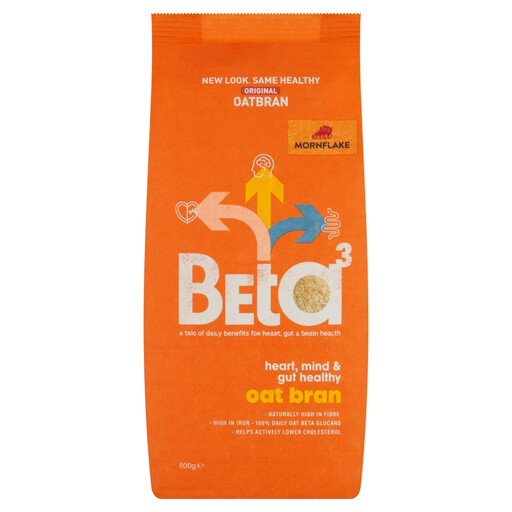
Mornflake Mighty Oats Original Oatbran 800g

Mornflake Mighty Oats Original Oatbran 800g

An oat-bran cereal option for shoppers focused on higher listed fibre density.

Lists 19.4g fibre per 100g and 100% oatbran. Store cool and dry in an airtight container after opening; the listing states that it is not suitable for wheat or barley allergy sufferers due to manufacturing methods.

Joybuy

Frequently asked questions

What counts as high fibre for porridge oats in the UK?

For this guide, use the UK nutrition-claim threshold of at least 6g fibre per 100g or 3g per 100 kcal. This threshold is set out in retained nutrition-claim rules; check the nutrition panel per 100g because serving sizes differ between products.

Are plain porridge oats high in fibre, or do I need bran?

Plain oats can meet the high-fibre threshold: the listed examples range from 8.1g to 9.9g fibre per 100g. Choose oat-bran or wheat-bran blends when you specifically want a larger listed fibre contribution per gram of dry product.

How should I store porridge oats after opening?

Keep dry oats in a cool, dry place and use an airtight container after opening where the pack directs this. Check the best-before date on the actual pack before buying multiple bags.

Can I assume all porridge oats suit someone avoiding gluten, wheat or nuts?

No. Product declarations differ: Quaker Traditional states that it may contain wheat and barley, Jordans Organic Jumbo Porridge Oats may contain other gluten sources and nuts, and Mornflake Fibreful has further manufacturer allergy restrictions. Use the current pack’s ingredient and allergen statement for the specific product.

How should I compare value between pantry packs?

Compare the shelf price per kilogram as well as the pack price, then make sure the fibre figure and ingredient list still fit your needs. Pack sizes, prices and promotions can change, so use the current shelf label when deciding.