Choose plain wholegrain rolled oats for a simple, flexible weekend bowl, or choose oat bran and bran-enhanced blends when fibre per serving is the main consideration. The reviewed bran-based options provide more fibre per stated 40g serving than the plain rolled-oat examples, but their ingredients, texture and allergy information differ; choose explicitly labelled gluten-free oats where that suitability is required.
Who these oats may suit
Weekend breakfast planners seeking more fibre
Suitable for shoppers planning a porridge breakfast with fibre in mind and who are happy to cook a bowl at home or add toppings. The NHS advises adults to aim for 30g of dietary fibre a day as part of a healthy balanced diet and lists porridge as a higher-fibre breakfast choice.
Shoppers prioritising fibre per bowl
Useful if you want to compare nutrition panels rather than rely on front-of-pack wording. The reviewed bran-enhanced products list 5.5g to 10.2g fibre per stated 40g serving, while the verified plain rolled-oat examples list 3.6g to 4.0g.
Gluten-free oat buyers
Suitable for shoppers who need an explicitly gluten-free oat product. Check the current pack’s ingredient list, allergen statement and gluten-free label rather than assuming ordinary oats meet that requirement.
Buying priorities
Choose the oat format first, then compare the nutrition panel, ingredients and current allergen information for the exact pack.
Wholegrain rolled oats
Choose this when: You want a straightforward oat base for porridge, overnight oats or baking.
Key trade-off: The reviewed 40g servings provide less fibre than the bran-enhanced examples, and ordinary oats may carry gluten or cross-contact warnings.
Bran-enhanced or oat-bran porridge
Choose this when: Fibre per bowl is your main comparison point.
Key trade-off: These are different formulations from plain oats: the reviewed examples include wheat bran or chicory inulin, and their allergy information differs.
Explicitly gluten-free oats
Choose this when: You require oats that are specifically labelled gluten free.
Key trade-off: This route addresses dietary suitability rather than providing a higher fibre amount than ordinary rolled oats.
| Priority |
What to check |
Your needs |
| Fibre per bowl |
Compare fibre per 100g and per stated dry serving. Check whether the serving sizes are the same before comparing bowls. |
I want to see the fibre contribution from the portion I am likely to prepare, not just a claim on the pack. |
| Oat format |
Check whether the product uses rolled oats, oat bran or added wheat bran. Follow the pack’s cooking method for the exact format. |
A leisurely cooked bowl, a microwave breakfast and a bran-style porridge can call for different oat formats and textures. |
| Gluten and allergens |
Read the current gluten-free label, ingredients and allergen statement. Treat manufacturing warnings as product-specific. |
If I need gluten-free oats or need to avoid a particular allergen, I will choose the exact pack on that basis rather than assuming all oats are alike. |
Common buying pitfalls
-
Treating all porridge oats as equal in fibre
Stated fibre amounts can differ substantially between products. Mornflake Fibreful Oatbran lists 10.2g per 40g serving, Waitrose Porridge Oats with Wheatbran lists 5.5g, Waitrose Essential lists 4.0g and Quaker Traditional Rolled Oats lists 3.6g.
Compare fibre using both per-100g and stated-serving figures, with serving weight visible, before deciding which product suits your breakfast.
-
Buying a bran-enhanced product without checking ingredients
Extra fibre can come from ingredients beyond plain oats. The reviewed Waitrose blend contains wheat bran, while Mornflake Fibreful Oatbran includes chicory inulin and has manufacturer-stated allergy exclusions linked to its manufacturing methods.
Check the full ingredient list and allergen statement before choosing a bran-enhanced option, especially when the bowl is for someone with a food allergy.
-
Assuming ordinary oats are automatically gluten free
Ordinary oat products can carry different allergen and cross-contact statements. Mornflake has a separately labelled gluten-free porridge oat product, while Quaker Traditional Rolled Oats state that they may contain wheat and barley.
Where gluten-free suitability is required, choose an explicitly labelled product and review the current pack statement each time you buy.
Relevant brand references
Mornflake
Relevant when comparing standard porridge oats, oat bran and explicitly gluten-free porridge oats.
- Mornflake Fibreful Oatbran Porridge lists 25.6g fibre per 100g and 10.2g per 40g portion.
- It contains oat bran and chicory inulin rather than plain rolled oats; Mornflake states it is unsuitable for people with nut, peanut, milk, sesame, wheat or barley allergies because of manufacturing methods.
Waitrose
Relevant for comparing plain own-label oats with a wheat-bran porridge blend.
- Essential Porridge Oats list 9.9g fibre per 100g, while Porridge Oats with Wheatbran list 13.8g per 100g.
- The wheat-bran option contains 12% wheat bran, so its ingredients and allergen profile differ from plain oats. Waitrose advises checking the pack because recipes and nutrition information can change.
Quaker
Relevant for shoppers considering a traditional 100% rolled-oat base with hob and microwave preparation guidance.
- Traditional Rolled Oats list 9.0g fibre per 100g and contain 100% rolled oats.
- The product page states that it may contain wheat and barley, so it should not be treated as an explicitly gluten-free option.
Flahavan's
Relevant for simple wholegrain rolled oats and for product-line variants including quick oats, organic oats and oat bran.
- Flahavan's Irish Porridge Oats are listed as 100% wholegrain rolled oats.
- Compare the nutrition panel on the exact pack if fibre per serving is a deciding factor.
Jordans
Relevant for shoppers considering conventional or organic wholegrain rolled-oat porridge.
- Chunky Traditional Porridge lists 8.1g fibre per 100g and uses wholegrain rolled oat flakes.
- The reviewed pages warn that products may contain other gluten sources and nuts; check the specific pack’s allergen information.
Joybuy porridge oat options
Joybuy product options for a weekend porridge breakfast, including standard rolled oats, explicitly gluten-free oats and oat bran.
 No image available
Quaker Oat So Simple Big Bowl Original 6 Pack 231g
Suitable for a quick weekend porridge routine with individually portioned sachets.
The listing states 3.5g fibre per 38.5g sachet, 9.0g per 100g and a 2½-minute microwave method. Check the current pack if gluten-free suitability is required.
Joybuy
 No image available
Morrisons Free From Gluten Free Oats 1kg
An option for a plain oat breakfast where explicitly gluten-free and wheat-free labelling matters.
The listing identifies 100% gluten-free oat flakes and states 3.4g fibre per 40g portion and 8.6g per 100g. Check the current pack’s allergen statement and cooking instructions.
Joybuy
 No image available
Flahavan's Organic Porridge Oats 1kg
A loose-oat option for a home-prepared weekend bowl with flexible toppings.
The listing states 100% organic wholegrain oat flakes, 3.3g fibre per 40g serving and 8.3g per 100g. It is not presented as an explicitly gluten-free option; check the pack for cooking instructions.
Joybuy
 No image available
Scotts Porage Oats Original 1kg
A standard loose-oat choice for shoppers who prefer a traditional porridge base.
The listing states 100% oatmeal, 3.6g dietary fibre per 40g and 9.0g per 100g. It may contain wheat and barley, so choose an explicitly gluten-free product where needed.
Joybuy
 No image available
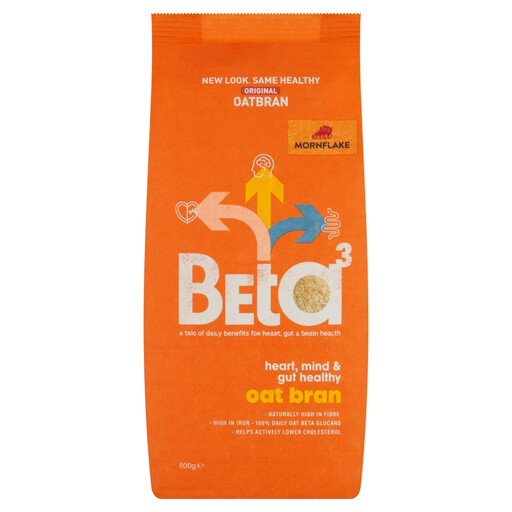
Mornflake Mighty Oats Original Oatbran 800g
An oat-bran option for shoppers comparing fibre per 100g rather than choosing standard rolled flakes.
The listing identifies 100% oatbran and states 19.4g fibre per 100g. It is stated as unsuitable for wheat or barley allergy sufferers; check the current pack for portion and cooking guidance.
Joybuy
Frequently asked questions
How much fibre should a weekend porridge breakfast provide?
There is no single fibre amount set for one breakfast. NHS guidance gives a daily aim of 30g of dietary fibre for adults as part of a healthy balanced diet; compare the stated serving on the pack when planning your bowl. The reviewed examples range from 3.6g to 10.2g fibre per 40g dry serving.
Are ordinary porridge oats suitable for a gluten-free diet?
Do not assume they are. Choose a product explicitly labelled gluten free when that suitability is required: Mornflake Gluten Free Porridge Oats are labelled gluten free, while Quaker Traditional Rolled Oats state that they may contain wheat and barley and Jordans products state that they may contain other gluten sources.
Do added bran or oat-bran products cook like plain rolled oats?
Not necessarily, because they are different formulations. Waitrose Porridge Oats with Wheatbran contain wholegrain oat flakes plus 12% wheat bran, while Mornflake Fibreful Oatbran Porridge contains oat bran plus chicory inulin; follow the instructions on the exact pack and choose with texture as well as fibre quantity in mind.
What should I check before buying porridge oats online?
Check the current nutrition panel, ingredients, allergen statement, pack size and availability. Recipes and nutrition information can change, so use the product label on arrival as the final check for dietary requirements.


