
24/7 Customer Support

Free returns

Same-day & Next-day Delivery

Quality Guaranteed
Download the APP
Categories
Navigating the world of extra virgin olive oil can feel overwhelming. With terms like "cold-pressed," "single-origin" and "early harvest" on every label, it's difficult to know which bottle truly delivers on its promises of flavour and health benefits. Many of us are now seeking out high polyphenol extra virgin olive oil specifically for its antioxidant properties and robust taste, but identifying a genuine, high-quality product remains a challenge.
As a Joybuy Product Recommendation Officer, my role is to help you make informed choices. This guide cuts through the marketing jargon to offer clear, practical advice on selecting an olive oil that meets your needs, whether you're seeking wellness benefits or an exceptional culinary ingredient.
Before we look at specific products, understanding a few key indicators of quality can empower you to choose with confidence.
The timing of the harvest is crucial. Early harvest extra virgin olive oil is produced from olives picked before they are fully ripe, while they are still green. These young olives yield less oil, but the oil they do produce is significantly richer in polyphenols—the natural antioxidant compounds responsible for many of its health benefits and its characteristic peppery or bitter taste. Look for terms like "early harvest," "agourelaio" (Greek), or "olio novello" (Italian) on the label.
For those seeking the best olive oil for health, the polyphenol count is a key metric. While not always listed, premium producers of antioxidant olive oil often provide a guaranteed minimum polyphenol concentration, usually measured in milligrams per kilogram (mg/kg). An oil with over 250 mg/kg is generally considered to have a high polyphenol content. This is a tangible measure of the oil's antioxidant potential.
High polyphenol oils are prized for their bold, complex flavours—often described as grassy, pungent and peppery with a pleasant bitterness. This intensity makes them an outstanding finishing olive oil, perfect for drizzling over salads, grilled fish, soups, or roasted vegetables to add a final layer of flavour. They also make the best dipping olive oil when served simply with fresh, crusty bread. For general cooking, a milder, more versatile extra virgin olive oil might be more suitable, as the delicate notes of a high-polyphenol oil can be lost when heated.
Here are three noteworthy extra virgin olive oils, each selected for its distinct characteristics and quality.
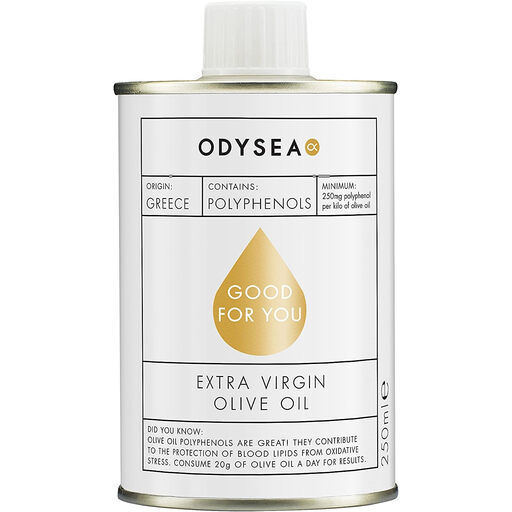
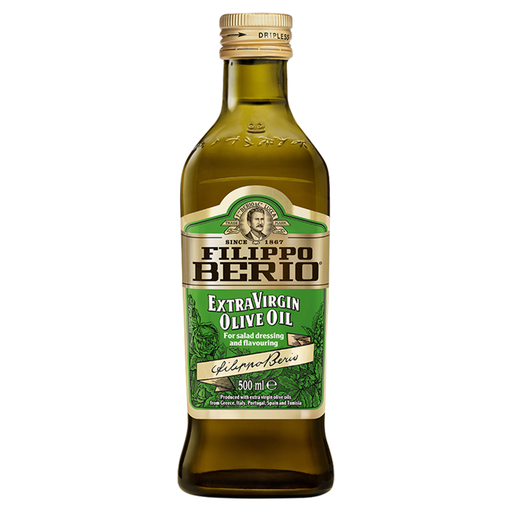
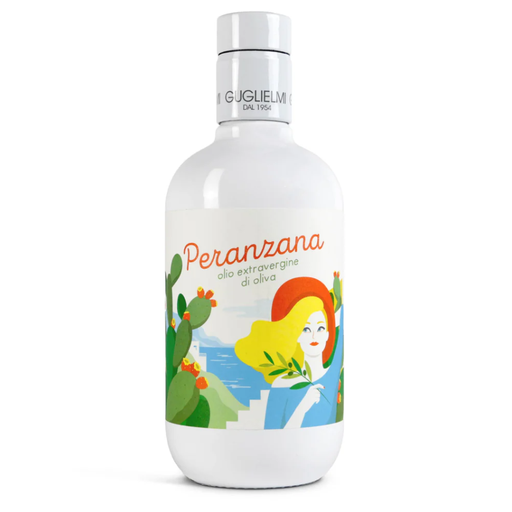
These recommendations cover a range of tastes and uses, from health-focused to culinary-centric. If you're still searching for the perfect bottle to suit your palate or pantry, we invite you to explore our broader collection.
Discover more in our full virgin olive oil category.
A high concentration of polyphenols, particularly oleocanthal, gives the oil a distinct pungent or peppery sensation in the back of the throat, sometimes causing a slight cough. It can also have a pleasant bitter taste. These characteristics are not a flaw; rather, they are indicators of a fresh, high-quality and antioxidant-rich oil.
While you can technically cook with it, it is generally not recommended for high-heat cooking. The high temperatures can degrade the delicate flavour compounds and beneficial polyphenols that make the oil special. It is best used as a finishing olive oil or in raw applications like dressings and dips to preserve its unique taste and health properties.
To protect your olive oil from degradation, store it in a cool, dark place away from direct sunlight and heat sources like your stovetop. Ensure the cap is tightly sealed to minimise exposure to oxygen. It is normal for extra virgin olive oil to become cloudy or solidify at temperatures below 10°C; this does not harm the oil, which will return to its liquid state at room temperature.